
Rue Valley locks in Nov 11 with a bold time loop and a Movember tie-in — here’s why it matters
Game intel
Rue Valley
A highly emotional RPG with Personality System and Mind Map Mechanics. Survive the unjust psychotherapy, lift yourself from rock bottom and uncover the mystery…
Why Rue Valley actually caught my eye
Rue Valley isn’t another dialogue-heavy RPG that mistakes word count for depth. What grabbed me is its player-driven time loop and a personality system that actually changes how your protagonist, Eugene Harrow, navigates social situations. Add a Movember partnership that puts men’s mental health front and center, and this starts to look like more than just another “inspired by Disco Elysium” pitch. The promise is a game where depression isn’t a tragic backdrop but a mechanical reality you reckon with every loop.
- Release date: November 11 on PC, PS5, Xbox Series, and Switch.
- Player-driven time loop: time advances only when you act.
- Traits and status effects rewire dialogue and outcomes.
- Movember collaboration suggests mental health isn’t just window dressing.
Breaking down the announcement
Emotion Spark Studio is putting out Rue Valley with Owlcat Games publishing-yes, the Owlcat behind Pathfinder and Rogue Trader. That track record matters: Owlcat backs dense, choice-driven RPGs, even if they sometimes ship rough and get there after a few patches. Here, the pitch is tighter and more personal: Eugene is stuck in a time loop that ends in apocalyptic explosions, and the only way forward is through social friction, self-examination, and deliberate action.
The platform story is finally clean: PC, PS5, Xbox Series, and Switch on November 11. Earlier messaging around staggered console timing had me cautious-especially for Switch-but the current line is a same-day launch across the board. If it holds, great. If not, don’t be shocked if Switch trails; even stylish 2D games sometimes need extra optimization for Nintendo’s hardware.
The real hook: you control time by choosing to act
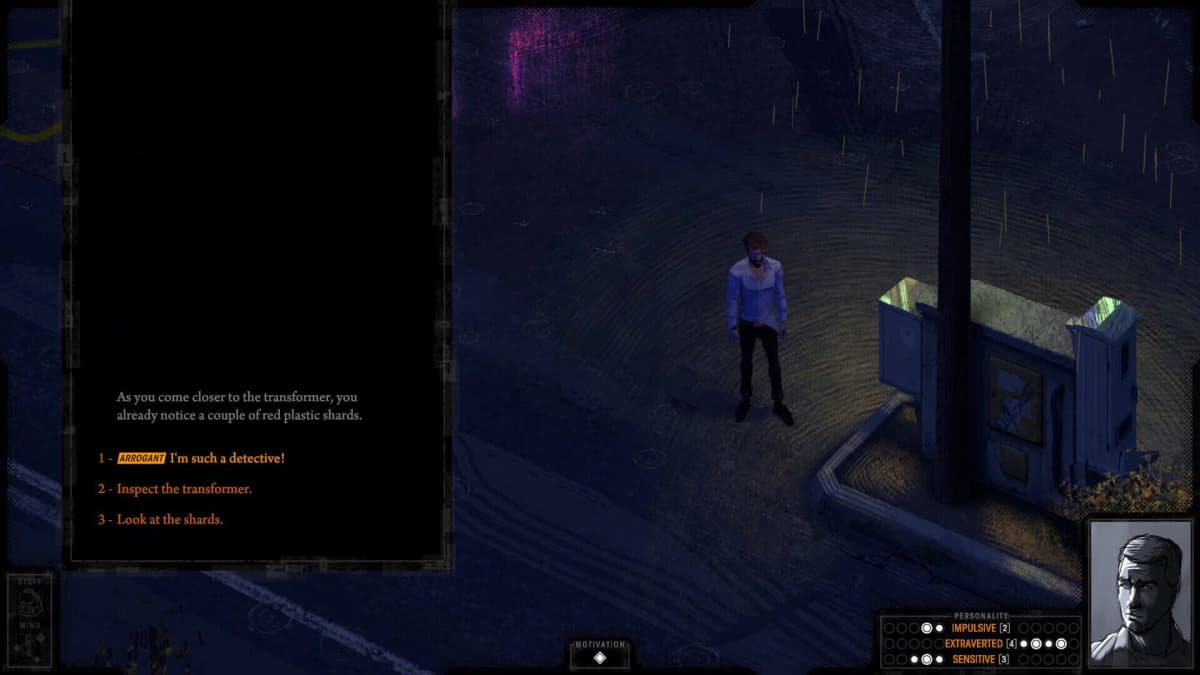
Most time-loop games put you on a ticking clock and dare you to outpace it (Outer Wilds) or brute-force a schedule (12 Minutes, Deathloop). Rue Valley flips that anxiety: time only advances when you interact. It’s closer to a tabletop session where you pick moments to push and moments to observe. That design encourages experimentation with social choices because the game isn’t punishing you for thinking.
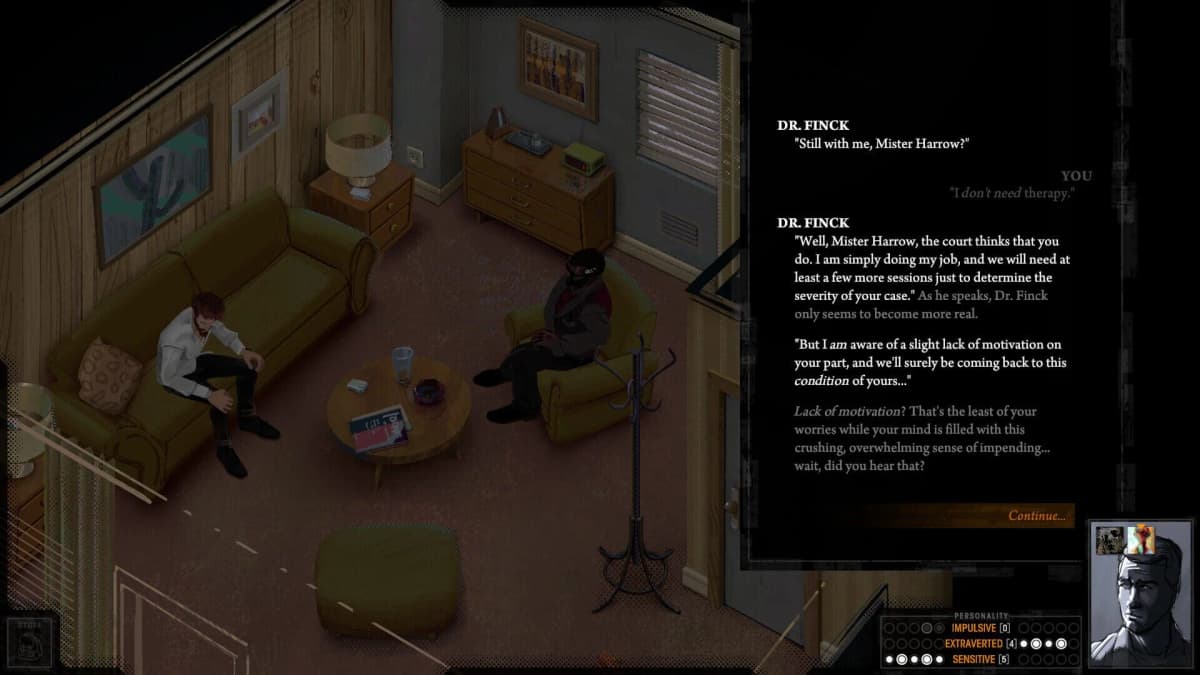
Layered on top is a personality-crafting system that’s more Disco Elysium than “+2 Charisma hat.” You can lean into traits like cold, overthinking loner or melodramatic loudmouth, and temporary status effects—anxious, drunk, confident—shift your dialogue in the moment. Example: being tipsy might make Eugene bolder at a bar, opening a path with the bouncer that sober-you can’t fake. Conversely, anxiety could make you hypersensitive to a friend’s tone, triggering a defensive response that derails a lead. The systems sound reactive, not just cosmetic.
There’s also a “memory graph” that stores key moments and lets you revisit them to unlock new mindsets and options. If this delivers, it could be the missing link between story beats and buildcraft—essentially respec’ing your perspective rather than your stats. The risk is UX: if the graph becomes homework, players will ignore it. The promise is an elegant way to make the act of remembering part of play, not just lore.
Mental health matters—if the design respects it
The Movember collaboration is smart and, frankly, overdue. Games like Celeste, Night in the Woods, and Hellblade proved you can tackle mental health with nuance and still be fiercely playable. Rue Valley puts depression and social anxiety into the core loop, and that’s a high-wire act. Gamifying mental illness can easily trivialize it; doing it right means giving players tools to cope, not just penalties to suffer.
What I’ll watch for: clear content settings (tone filters, comfort options), transparent status effect tooltips (so “anxious” isn’t a black box debuff), and writing that treats Eugene and NPCs as people, not PSA delivery systems. The studio says NPCs carry their own emotional baggage and secrets; if the time loop lets you learn those rhythms and meet them halfway, the empathy will come from play, not pop-ups.
Style, scope, and the Owlcat factor
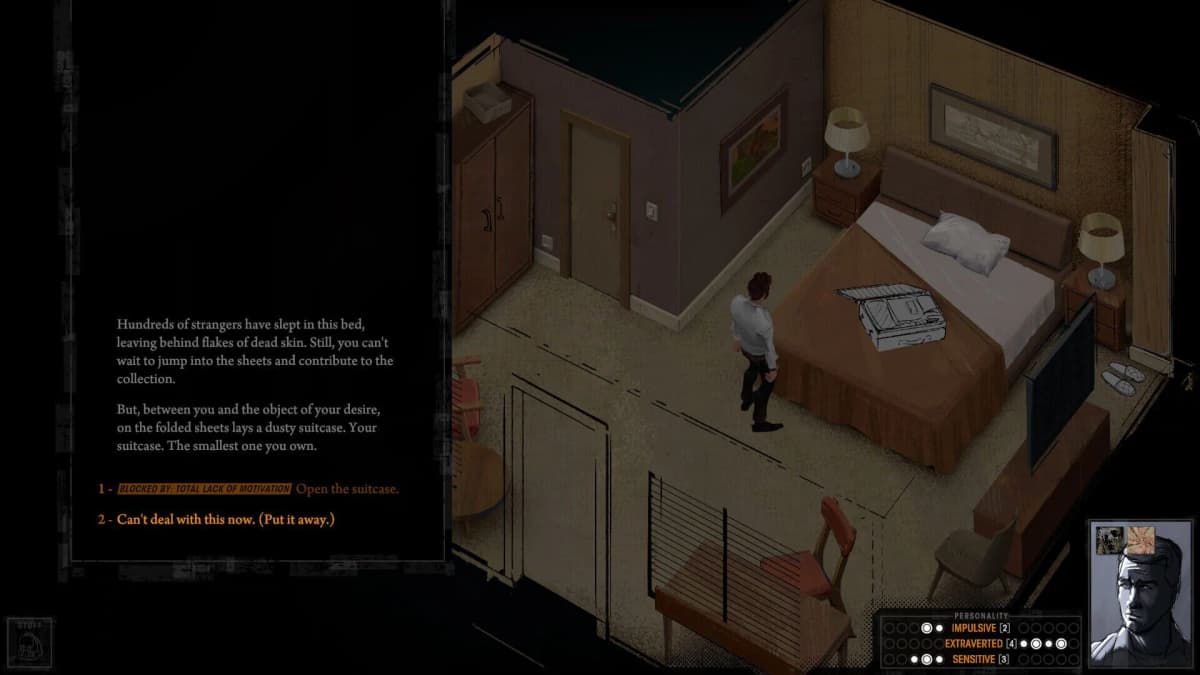
The comic-book look—with Into the Spider-Verse vibes and 2D parallax—fits a story about fractured memory. It’s visually bold without asking for a 4090, which bodes well for Switch. Sound-wise, they’re teasing an atmospheric, moody score. That’s table stakes for the genre; the win will be dynamic audio cues that telegraph mental states without shouting.
Owlcat’s involvement is a double-edged sword: they know narrative systems, and they also sometimes need hotfix marathons at launch. If you care about day-one stability, you may want to watch early impressions. On the flip side, feedback loops with veteran narrative designers—yes, the Disco Elysium crew reportedly tried a demo—suggest Rue Valley has been through real critique, not just marketing passes.
What gamers should watch before buying
- Systemic honesty: do traits meaningfully reroute quests, or just remix flavor text?
- Save structure: can you bookmark loops to test builds, or are you locked into long runs?
- Controller-first UX: dialogue wheels, memory graph navigation, and logs need to feel great on a pad.
- Switch performance: steady framerate and readable text sizes are non-negotiable for handheld play.
- Movember tie-in in-game: meaningful content and resources, not just splash screens.
TL;DR
Rue Valley’s pitch is strong: a time loop you move at your pace, social mechanics with bite, and a sincere mental health focus backed by Movember. If the trait system truly changes outcomes—and the writing lands—it could sit comfortably next to Disco Elysium and Outer Wilds on your “thinky RPG” shelf. I’m in, cautiously, and I’ll be checking that the promised same-day console launch actually sticks.