
Table of Contents (6)
Why Runeomicon actually matters to players right now
This caught my attention because indie games rarely let you enjoy being the villain with mechanical depth instead of just aesthetic flair. Runeomicon, from TLR Games and publisher Joystick Ventures, drops a playable demo for Steam Next Fest (Feb 23-Mar 2) that turns ritual casting into a tense, multitasking survival loop: draw runes perfectly to create arcane energy, spend that energy on defenses, or risk everything to summon a god and escalate the chaos.
- Playable demo live on Steam for Steam Next Fest (Feb 23-Mar 2).
- Core loop: gesture-based rune-drawing + resource tradeoffs + summoning choices.
- Six gods to unlock, branching upgrades, and a training mode included in the demo.
- Designed to make you feel powerful-and a bit guilty-while under pressure.
Breaking down the ritual – what the demo actually lets you try
Runeomicon frames gameplay as a ritual simulator where you play the antagonist. The demo focuses on the game’s core systems: you draw runes by hand (gesture input) to generate arcane energy. The better and faster you draw, the more energy you harvest; fail a rune and you get nothing. That energy is the currency of desperation: deploy defensive summons like towers and eldritch creatures to blunt incoming waves of peasants, priests, and knights, or save it all to accelerate summoning a god.
The twist is the tradeoff. Defend too much and your summoning slows; pour everything into summoning and the ritual is naked while elites hammer the gates. The demo advertises six gods that each change the ritual’s rules—new curses, defenses, and destructive tools—plus branching upgrades that reshape how you manage those tradeoffs. A Training Room in the demo exists to make the rune gestures feel like muscle memory before the panic hits.
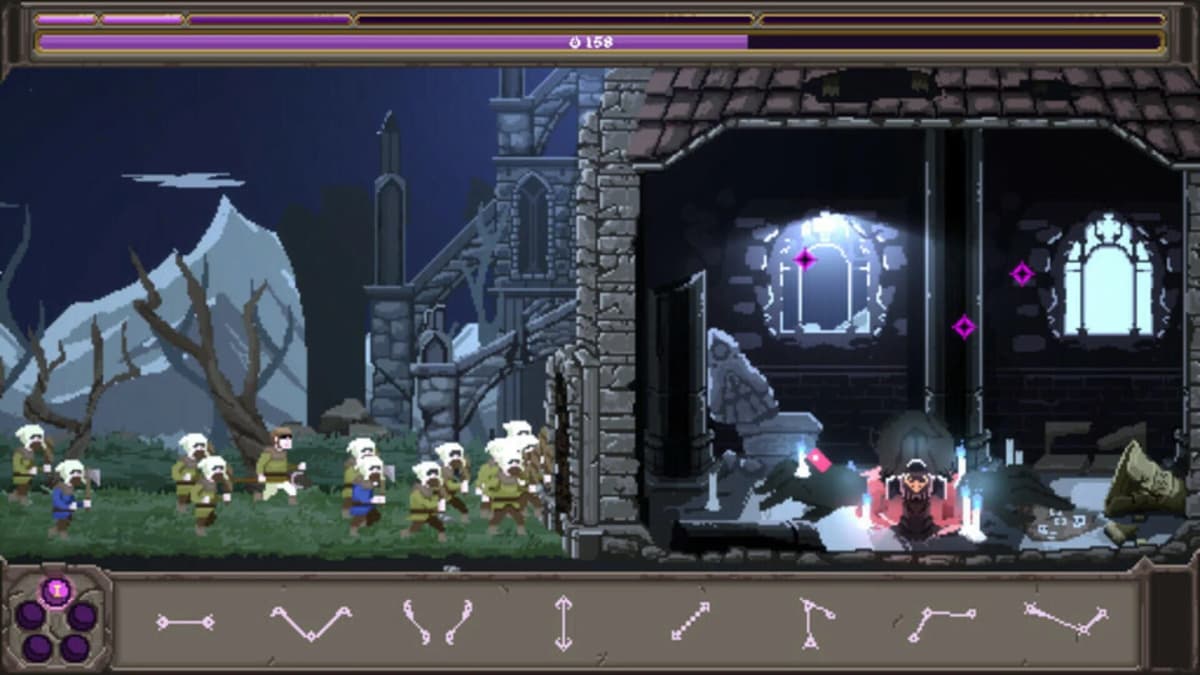
Why this combo of rune-drawing and tower-defense is interesting
On paper, Runeomicon sits between gesture-based spellcasting systems and tactical base defense. That mix is promising: gesture input gives the game a tactile, skill-based feel, while summoning choices and upgrades provide strategic depth. The result is a feedback loop that rewards both mechanical precision and strategic planning—two different types of player competence that seldom meet so directly.
Arturo Monedero from TLR Games captures the intended player reaction: “Everytime someone plays for the first time, they start yelling at the villagers, panicking while drawing the runes. That is exactly what we wanted. You are not the hero of this story and by the time the runes feel like muscle memory, you stop wanting to be.” It’s a blunt design promise: make the player powerful and morally uncomfortable at once.
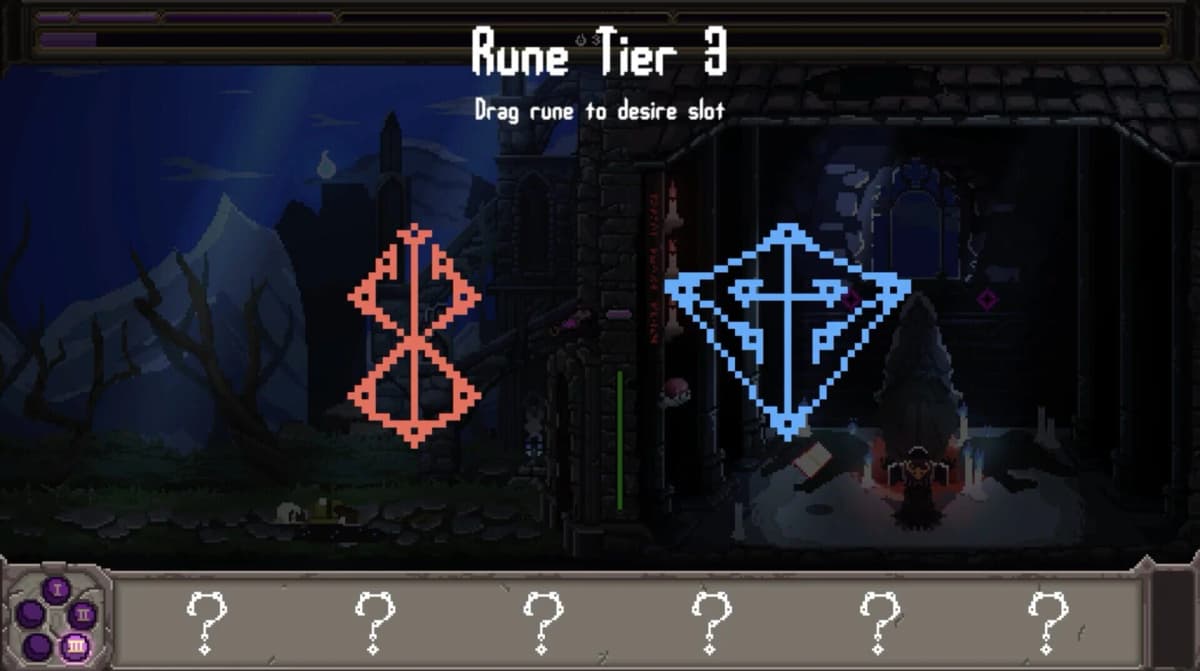
What to expect from the demo and what to watch for
The Steam Next Fest demo is driven to showcase the loop: six gods, branching upgrade paths, and a training mode so you can practice rune gestures before the pressure cooker begins. Expect short, repeatable sessions that test how well the rune controls scale with incoming threat. The demo window gives you a direct way to judge whether the gesture system feels reactive and satisfying—this is the single biggest make-or-break element for a ritual game built on drawn inputs.
Where I’m skeptical: replay value and pacing. Gesture-based systems can be thrilling for a session but risk repetition unless the upgrades and god effects meaningfully alter play. The demo’s six gods and branching upgrades are promising answers, but the full game will need variety in enemy types and ritual stakes to sustain long-term engagement.
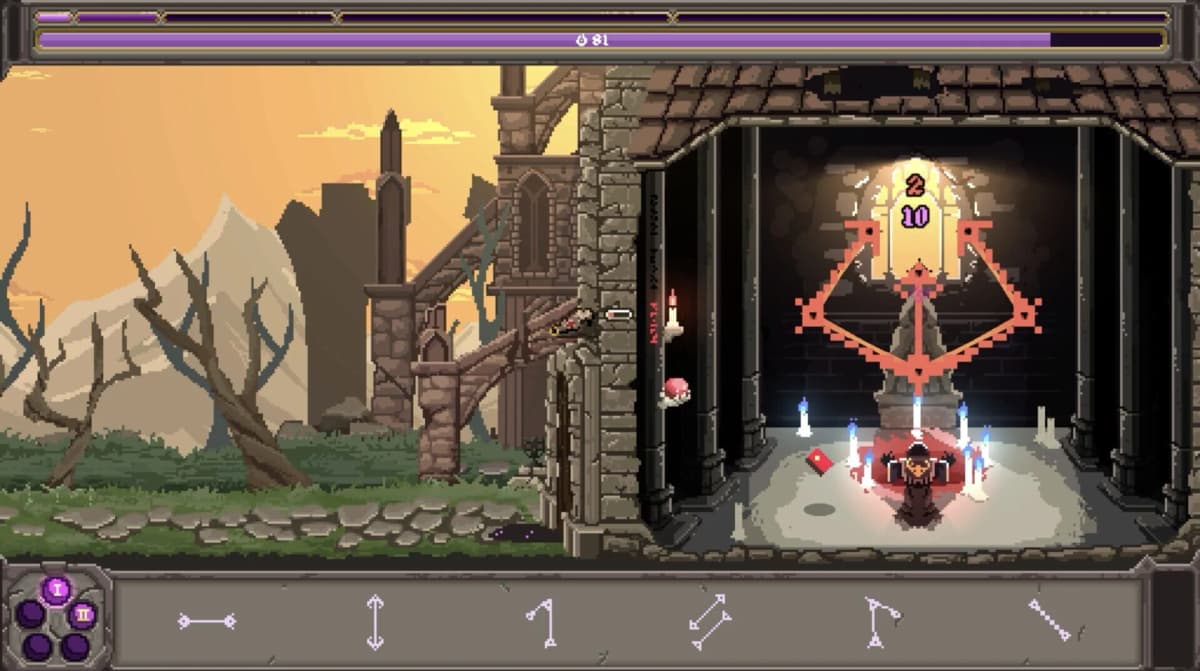
Context — why Steam Next Fest matters here
Steam Next Fest is full of demos that spotlight core systems—think fast-paced action demos or experimental spellcraft prototypes—so Runeomicon fits the festival’s role as a proving ground. If you want to know whether the developer nailed the tactile spellcasting and whether the defensive-summoning tradeoffs land, the demo window (Feb 23-Mar 2) is your chance to test it firsthand.
TL;DR
Runeomicon’s demo offers a neat inversion of the hero fantasy by making you the ritualistic villain. The core idea—pressure-based rune-drawing that funds defensive summons or faster god-calling—is smart and tense. Try the demo during Steam Next Fest to see if the rune gestures feel as satisfying as the concept promises; if they do, Runeomicon could be an inventive indie blend of skill and strategy.
FinalBoss // Gear
Level up your setup
01Graphics cardson Amazon→02Gaming laptopson Amazon→03High-refresh gaming monitorson Amazon→04Discounted game keyson Kinguin→Affiliate links · As an Amazon Associate, FinalBoss earns from qualifying purchases.
Want to Level Up Your Gaming?
Get access to exclusive strategies, hidden tips, and pro-level insights that we don't share publicly.
Ultimate Gaming Strategy Guide + Weekly Pro Tips