
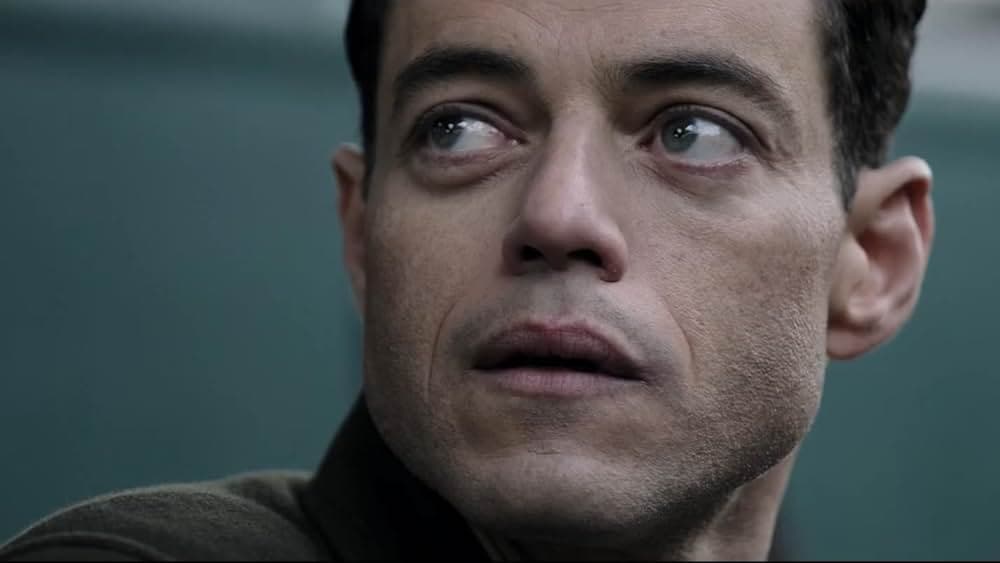
I don’t usually flag film announcements to a gaming crowd unless there’s something that hits the craft of storytelling we care about. Russell Crowe signing on to play Hermann Göring in James Vanderbilt’s Nuremberg did exactly that. It’s one of those roles that can’t be played on autopilot without doing damage. Crowe says he’s unsettled by it – asking himself, “How do you interpret a guy like that?” – and that discomfort is the point. When a movie wrestles with real evil instead of gamifying it, it can change how we think about villains, responsibility, and the fallout of violence – all things games often flatten into boss fights and mission checkpoints.
Nuremberg focuses on the 1945-46 trials that put 24 senior Nazi officials before an international tribunal. Beyond Crowe as Göring, the cast includes Rami Malek, Michael Shannon, Richard E. Grant, and Colin Hanks. Malek’s role as Dr. Doug Kelley — an American psychiatrist tasked with assessing the defendants’ fitness to stand trial — points to an angle we don’t see often: the mind behind the monstrosity, examined under clinical light rather than operatic melodrama. Crowe has admitted the part is “professionally and morally” daunting and that reading the script left him emotionally drained. That’s not hype; that’s a seasoned actor acknowledging the ethical calculus that comes with portraying a very real architect of atrocity.
Vanderbilt’s involvement matters. When he’s on his game (Zodiac), he’s precise, procedural, and more interested in systems and human behavior than fireworks. When he chases scale for its own sake (The Amazing Spider-Man), nuance sometimes gets steamrolled. Nuremberg’s premise demands the former. If the film treats the trial like a thriller with a scenery-chewing villain, it fails. If it interrogates how bureaucratic power manifests and how charismatic rhetoric can warp a courtroom, it might be essential viewing.
In games, the Third Reich usually shows up as a shooting gallery. There are exceptions — Through the Darkest of Times and Attentat 1942 come to mind — but most of us know the loop: mow down faceless stormtroopers, blow up a superweapon, roll credits. Cathartic? Sure. Honest about how evil operates? Not really. Nuremberg, if done right, is the other side of that coin: not the battlefield, but the reckoning. It’s the paperwork, the testimony, the dissonant normalcy of a war criminal complaining about lunch, and the uncomfortable truth that some monsters are articulate, even persuasive, until evidence pins them to reality.
That’s where Malek’s casting is interesting for players. His work in Until Dawn showed how interactive framing can shift our trust in a character beat by beat. Translated to film, a psychiatrist in the room with Göring isn’t a QTE — it’s about calibration: when to push, when to let silence hang, and how to stop the camera from glamourizing a manipulator. I’d love to see more games pick up that baton: systems that reward listening, contradictions, and the ethics of cross-examination rather than only the accuracy of your aim. L.A. Noire gestured at it a decade ago; this story could be a reminder that there’s richer design space in the aftermath than in the firefight.
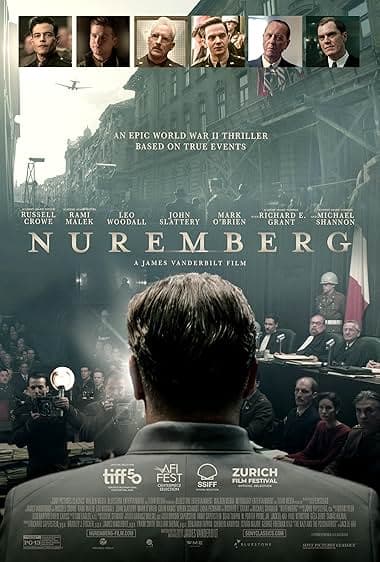
Let’s be blunt: Göring was notoriously charismatic at the trials and tried to hijack the stage. Giving that performance to a movie star is dangerous. The film can’t flinch from his crimes, and it can’t let him become the slick antihero some Twitter thread misreads as “complicated.” There’s precedent for getting this right — Judgment at Nuremberg (1961) set a gold standard, and Brian Cox’s turn as Göring in the 2000 miniseries Nuremberg nailed the chilling theatrics without softening the man. Crowe’s gravitas can work if the script frames every moment with context and consequence, not applause lines.
Vanderbilt’s best path is procedural focus: the legal mechanics, the witness dynamics, the psychiatric evaluations. That’s less sexy than a closing-argument montage, but more honest. As players, we’re used to feedback loops that reward decisive action; a film like this could remind us that accountability is slow, boring, and vital — and that “winning” in the face of atrocity looks like meticulous documentation and a guilty verdict, not a highlight reel.
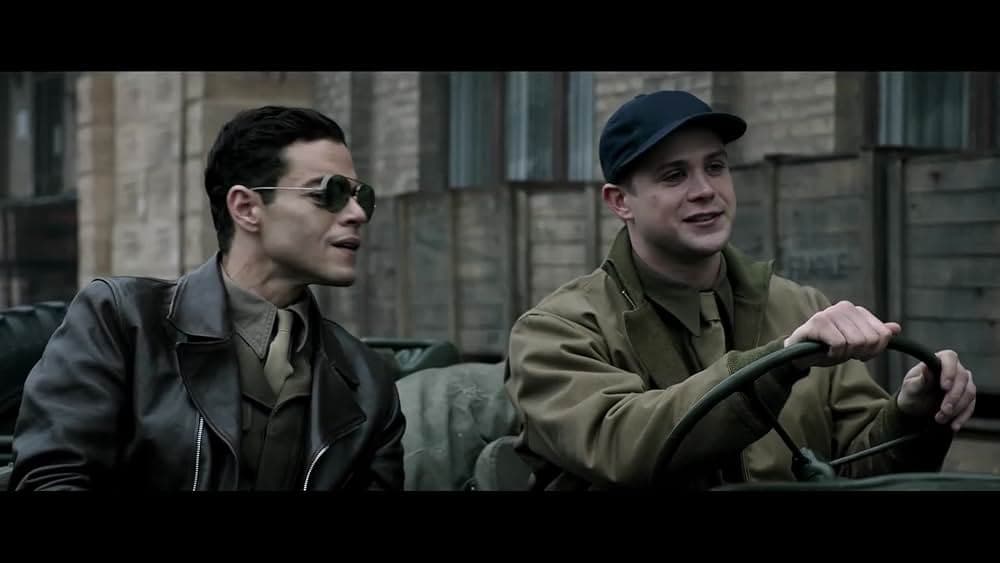
Russell Crowe playing Hermann Göring in Nuremberg is the kind of high-risk, high-responsibility role that could either earn awards or earn justified backlash. If Vanderbilt leans into procedural rigor and psychological honesty, this could be the rare World War II story that influences how games think about villains and consequences — not just how they design the next set piece.
Get access to exclusive strategies, hidden tips, and pro-level insights that we don't share publicly.
Ultimate Gaming Strategy Guide + Weekly Pro Tips