
Metal Gear Solid 3: Snake Eater is getting a shiny new remake, which means that 60s geopolitics are about to crash-land onto everyone’s radar again. As someone who has replayed the original more times than I care to admit, I can’t help but appreciate how Hideo Kojima’s classic wasn’t just set in the Cold War-it thumbed its nose right at the messy web of real-world politics. With Russia (as the USSR) front and center, and China operating quietly in the shadows, MGS3 remains one of the few games that genuinely uses its historical setting to drive real narrative stakes. Here’s why that still matters for players old and new.
- Russia is more than just a backdrop-its Soviet Union setting shapes every twist and betrayal in the game.
- China’s influence, via the Legacy of the Philosophers and the double agent EVA, is subtle but critical to the plot.
- The game isn’t just fanservice; it uses global intrigue and realpolitik as a pressure cooker for its characters.
- The upcoming remake makes these themes more relevant than ever, in a world where we’re still riding similar tensions.
Table of Contents (4)
Not Just “In Soviet Russia…”: How MGS3’s Setting Drives the Drama
Let’s get one thing straight-Metal Gear Solid 3 doesn’t just drop Snake into a Russian jungle for cool Soviet aesthetics. The game’s fictional Tselinoyarsk feels believable because it borrows so much from the real Iron Curtain era. The entire mission, codenamed Operation Snake Eater, is triggered by the fear that Soviet scientist Sokolov (once defected, now re-captured) will finish his Shagohod, a monstrous ancestor to the series’ iconic Metal Gear weapon. The stakes? If Volgin, a rogue Soviet colonel, gets his way, the USSR could redefine nuclear brinkmanship. For a series that’s always flirted with nuclear anxiety, MGS3 is right at home in this setting.
But what I love most is how Russia’s internal politics and post-Stalin instability fuel the betrayals. The Boss, Snake’s legendary mentor, appears to defect to the Soviets—except, the truth is messier. She’s acting as a pawn on America’s chessboard, forced by her own government to become a martyr for poisonous statecraft. It’s classic Metal Gear: messy motivations, tragic heroes, and a Cold War context that adds real emotional weight. None of these choices would make sense if the story was plucked from its Russian soil.
China’s Shadow Game: More Than a Third Wheel
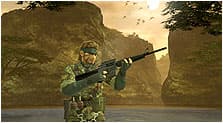
Now, it’s easy to overlook China’s role if you haven’t combed through all of Snake Eater’s convoluted lore. China doesn’t have screen-hogging villains or big boss fights, but its presence is felt through the “Legacy of the Philosophers”—a huge cache of post-WWI wealth split between America, the USSR, and China. Originally meant to keep the peace, the money’s purpose decays over time (big surprise), becoming a carrot for every major world power.
Enter EVA. Posing as a KGB agent sent to assist Snake, she’s actually working for Chinese intelligence (as confirmed in that endgame twist). Her mission? Nab the Philosophers’ Legacy and snatch it for China, putting a fresh layer of double-crossing spy antics on top of the usual Metal Gear intrigue. As far as I’m concerned, EVA is one of the franchise’s slickest examples of “the enemy of my enemy is… definitely not my friend.” The fact that the Chinese angle isn’t spelled out until late is classic Kojima—subtle, but once you see it, you can’t unsee it.
Why This Old-School Rivalry Still Hits Today
Honestly, playing through MGS3 now—especially as the remake revs up—feels oddly timely. Global power struggles? Check. Espionage, paranoia, and shifting alliances? Check, check, check. While a lot of games pay lip service to “mature” political themes, MGS3 goes all in, using its Cold War roots to pull players into a paranoid, morally gray world where every ally could be a double agent. And let’s be real: as tension between global superpowers heats up once again, Snake’s jungle nightmare feels less like pulpy fiction and more like a warning shot from history.
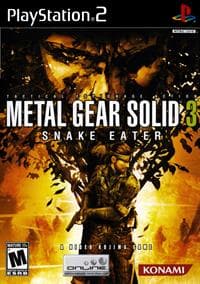
So while the graphics overhaul coming August 28 will win headlines, what deserves your attention is how relevant the game’s themes are right now. MGS3’s deep dive into Cold War rivalry and global backstabbing still offers some of gaming’s sharpest commentary—if you’re paying attention.
TL;DR
Metal Gear Solid 3 doesn’t just use Russia and China as cool backdrops—it weaves them deeply into its story of betrayal and realpolitik. Whether you’re replaying the classic or diving into the remake, expect more than nostalgia: these Cold War power plays are as sharp and relevant as ever.
FinalBoss // Gear
Level up your setup
01Top-rated gaming headsetson Amazon→02High-refresh gaming monitorson Amazon→03Gaming chairson Amazon→04Discounted game keyson Kinguin→Affiliate links · As an Amazon Associate, FinalBoss earns from qualifying purchases.
Want to Level Up Your Gaming?
Get access to exclusive strategies, hidden tips, and pro-level insights that we don't share publicly.
Ultimate Gaming Strategy Guide + Weekly Pro Tips