
Rust meets Factorio? This Aussie indie’s ORMOD: Directive pitch has me intrigued and wary
Game intel
ORMOD: Directive
Shape your own survival experience in an infinite open-world sandbox. Customize world difficulty, rules, and playstyle. Play solo, co-op, or on 24/7 MMO-style…
Why ORMOD: Directive actually grabbed my attention
“Rust but with real factories” is the kind of pitch that sets off both my inner min-maxer and my BS detector. House 16 Software’s debut, ORMOD: Directive, is promising a persistent survival sandbox where you can scavenge, build tile-based bases, fight with Tarkov-style gun physics, and scale into full-on mega-factories that churn out gear while you sleep. If they really thread survival PvP with Factorio-level automation across a world that keeps moving when you’re offline, that’s a legit new flavor in a crowded genre.
Key takeaways
- Automation inside a 24/7 survival server is the swing here; balancing raids, night threats, and factory uptime will make or break this game.
- “Every item exists physically” sounds great for emergent stories-but it’s a server-performance and persistence nightmare if not engineered well.
- Claims of a “unique tile-based building system” are big words in 2025; execution matters more than marketing.
- Realistic gunplay, armor penetration, and vehicles with manual gears suggest depth, but also raise the barrier to entry.
Breaking down the pitch: Rust, Tarkov, and Factorio walk into a server…
ORMOD: Directive is aiming for an infinite, fully customizable world with procedurally generated towns, roads, and landmarks. “Infinite” is always a practical fiction-servers have limits-but the road network matters if you’re running logistics for a factory, not just sprint-looting. The survival layer is deep: hunger, sickness, temperature, injuries, farming, cooking, the works. Then they stack on grounded combat with leaning, variable reloads, armor and penetration, plus vehicles (cars and helicopters) with “true-to-life handling” and manual gears. That’s more SCUM/Tarkov than arcade Rust.
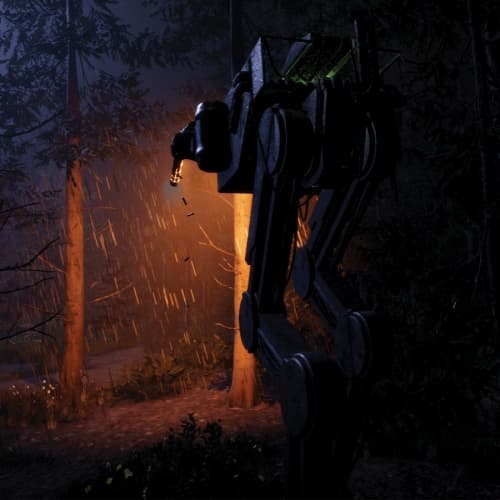
The hook that could change loop dynamics is full resource automation. Build conveyors and production lines, automate ammo and meds, scale to “mega-factories,” then sell or trade in a player-driven economy. Now add 24/7 servers across PvP, PvE, Hardcore, and Creative. You can see the emergent scenarios: you log in to find your line jammed because a mechanoid night patrol chewed through a wall; or your convoy gets word of a helicopter crash event and has to re-route while rival squads circle the loot.
Why this matters now
Survival sandboxes haven’t slowed down, but they’ve split into two camps: the Rust/DayZ school of social chaos, and the Factorio/Satisfactory school of beautifully engineered order. Few have genuinely fused the two without one side suffocating the other. Palworld flirted with automation; Techtonica explored factory building in co-op; Project Zomboid nails persistence and consequence. ORMOD is trying to put all of that in one 24/7 world and then press “go.” If it lands, it scratches an itch a lot of us have had since our first Rust wipe: what if my base was more than metal sheets and sleeping bags—what if it was a machine?
The skeptic’s corner: the hard problems hidden in the hype
Let’s talk friction. Physical item persistence is cool—looting an actual shelf to decorate your base or stumbling on the aftermath of another squad’s disaster is pure emergent storytelling. But that’s heavy on servers and databases. How often are wipes? What’s the decay model? If your conveyor drops a crate in a ditch during a storm event, does it stick around forever? Every survival vet knows persistence without smart cleanup equals lag and dupes.
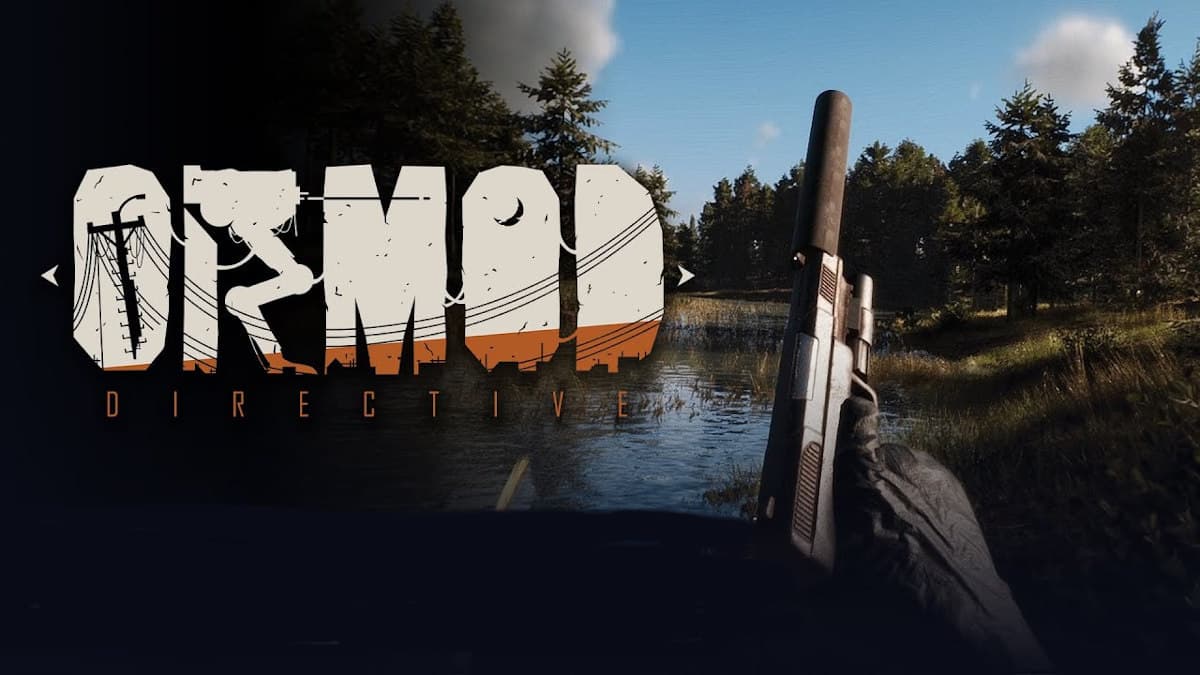
Combat realism is another double-edged sword. Leaning, slow/fast reloads, full weapon modding, armor sim and penetration—all awesome, if the netcode keeps up. We’ve seen “realistic” gunplay crumble under desync or tick rate issues. Vehicles with manual gears will thrill simheads but alienate casuals unless there are assists. And the “unique tile-based building” claim? We’ve all heard “never seen before” a dozen times. If it’s genuinely flexible—snapping that respects logistics, power routing, defense lines, and interior ergonomics—I’m in. If it’s just a quirky grid, spare me the superlatives.
The night-time mechanoid threat could be brilliant pressure—think 7 Days to Die tension without the hokey blood moon—but it risks turning off solo players if it’s relentless. Offline raid protection also needs clarity. If the world “never stops moving,” what protects smaller groups when they log off and a roaming machine herd or rival clan decides they’re tonight’s content?

Want to Level Up Your Gaming?
Get access to exclusive strategies, hidden tips, and pro-level insights that we don't share publicly.
Ultimate Gaming Strategy Guide + Weekly Pro Tips
What gamers should watch for before early 2026
- Wipe cadence and server rulesets: weekly Rust-style wipes will nuke factories; long seasons invite megacorps—pick your poison.
- Automation depth: are we talking belts-and-inserters depth, power grids, fluids, and QA, or just “crafting benches on rails”?
- Performance with population: show a 50-player server with vehicles, gunfights, and active factories without rubber-banding.
- Offline safety valves: decay, shields, or insurance systems to keep smaller groups from quitting after one bad night.
- Economy sinks: ammo, fuel, repairs, and medical supplies need costs, or markets spiral.
- Anti-cheat and admin tooling: survival games live or die by trust in the server ecosystem.
- Accessibility toggles: vehicle assists, combat options, and building QOL for people who aren’t ARMA veterans.
Looking ahead
House 16 says ORMOD has been in the works for over five years and is “nearing the end of development,” targeting early 2026. That’s ambitious but not impossible for a systems-first indie. The smartest move now would be transparent playtests: let us stress a public server, raid a defended base, watch factories recover from dynamic events, and fly a helo with full weight and wind modeled. If the studio can prove the basics—netcode, persistence, sensible building, and factory gameplay that isn’t just busywork—this could be the rare survival game where your base feels alive, not just fortified.
TL;DR
ORMOD: Directive is shooting for the holy grail: Factorio-grade automation inside a Rust-style, always-on survival world with Tarkov-ish gunplay. It’s a bold, exciting pitch—just know that the hard parts (performance, balance, offline protection) will decide whether it’s a genre breakthrough or another overstuffed wishlist item.