

For solo PvP in Rust Mobile, build one or two map grids away from low-risk monuments, run short recycler loops instead of hauling everything home, and treat every keycard trip as an extraction run. Your goal is to keep progressing after a death, not to carry a full wipe’s worth of resources into the next fight.
Table of Contents (5)
1. Build close enough to loot, far enough to avoid constant raids
The strongest early solo base location is off a main road, outside direct sightlines from a monument entrance, and within a short run of repeatable loot. A base placed directly beside a recycler, road junction, or popular monument becomes part of other players’ routine scouting route. That is convenient for loot, but it also makes your door a regular target.
Prioritize the quieter side of a nearby map grid: forest cover, rocks, uneven ground, and a route that lets you approach a monument from more than one direction. Avoid highly visible hilltops and the open spaces where several roads and monuments intersect. Those “triangle” areas draw roaming groups because they offer easy traffic to intercept.
| Monument area | Why it suits a solo | Base placement priority |
|---|---|---|
| Supermarket | Safe monument, recycler access, basic and food crates, and a Green keycard opportunity. | Build one or two grids away, using woods or rock formations to avoid a direct road approach. |
| Gas Station | Safe monument with recycler access, crate spawns, and a Green keycard opportunity. | Stay off the road leading to the building; use terrain to flank the area. |
| Junkyard | Safe on the Rust Mobile monument list, with recycling value and vehicles that create cover. | Use nearby terrain rather than building in the open around its approaches. |
| Lighthouse | A solo-friendly coastal monument with low radiation and a Green keycard location. | Choose a concealed inland position rather than an exposed shoreline base. |
Start with a compact footprint. A small 2×2-style base with an airlock, then added honeycomb when you can afford it, gives a solo player storage, a respawn point, and a lower raid incentive than a sprawling compound. Rust Mobile’s pre-fab base options can get that first protected shelter down faster; improve the layout after your initial farm runs rather than delaying safety for a perfect build.
2. Use a gather-craft loop that keeps your losses small
Solo progression becomes safer when each trip has one job. Farm a nearby resource route, return to deposit the bulk materials, then make a separate monument trip with only the kit needed for loot and defense. Combining a full ore haul, your best weapon, keycards, and several hundred rounds of ammo into one run creates a disastrous death bag.
- Place sleeping bags early so a bad death does not turn into a naked cross-map recovery run.
- Carry basic gathering tools, but bank large ore and component stacks before moving into a monument.
- Build three to four furnaces when your base is stable, allowing wood, metal ore, sulfur, and other materials to process in parallel.
- Use a nearby recycler to turn components into scrap before your inventory becomes too valuable to move.
- Finish farming and return home before the server’s busy period, when monument entrances and road routes attract larger roaming groups.
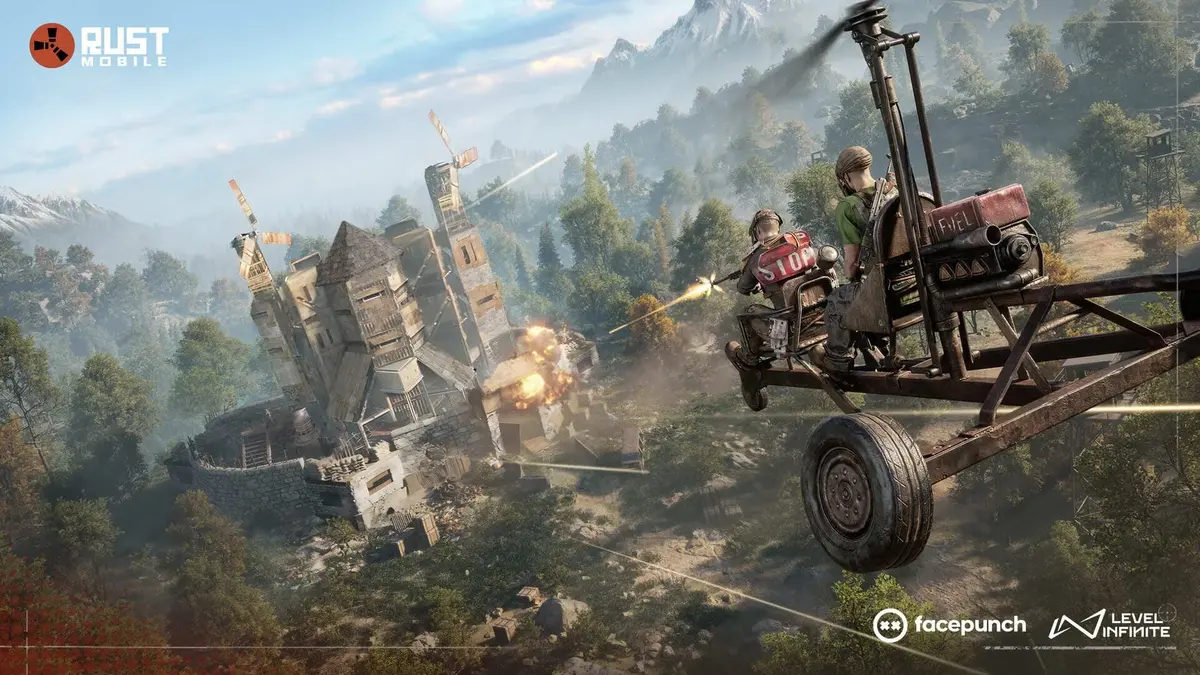
This loop is efficient because safe monuments such as Supermarket, Gas Station, and Junkyard let you convert components into scrap close to the loot source. You spend less time crossing open ground with an overloaded inventory, which is where solos lose most of their progress.
3. Spend your first scrap on a repeatable fighting kit
Early scrap should create a kit you can rebuild, not a single expensive outing. Workbench Level One requires 500 Wood, 100 Metal Fragments, and 50 Scrap. Set that as an early target, then keep a reserve for rebuilding tools, armor, ammunition, and a replacement weapon after a death.
The Scrap SMG sits at the bottom of the Level One Technology Blueprint pile, making it a useful early goal for a solo who has established a steady recycler route. Crafting one requires 5 High Quality Metal, 200 Metal Fragments, and 1 Metal Spring. Do not take every bullet you own once you have it. A load of around 30 to 50 bullets gives you enough ammunition for a short monument fight and an escape; carrying 400 or more turns a normal PvP death into a major setback.
Bone Armor is a practical early defensive layer when metal gear is not yet sustainable. It costs 15 Cloth and 70 Bone Fragments. Pair it with healing supplies and a modest ammo stack, then reserve your best components and excess ammunition inside the base. A solo kit should be cheap enough that you can leave your sleeping bag and immediately prepare the next run.
4. Rotate around PvP instead of forcing every fight
When you spot an armed player before they spot you, use the information. Move through trees, ridges, rocks, and uneven terrain rather than taking the nearest road or charging into the monument. Audio matters here: gunfire, scientist fire, recycler noise, and repeated footsteps tell you whether a monument is being cleared, camped, or contested by more than one player.
Direct road approaches are the obvious route for players leaving with loot, so they are also the obvious place for an ambush. Enter from an off-angle, pause before crossing open ground, and keep enough space behind you to disengage. If gunfire continues inside a monument, wait for the survivors to reveal themselves or rotate to another loot point. A solo benefits more from surviving with half a run than dying for a crate already being watched.
- Use low-activity hours for gathering, recycling, and keycard progression.
- Approach monuments from terrain cover instead of main roads.
- Keep your return route separate from your entry route when possible.
- Deposit a successful run before immediately attempting another monument clear.
- Move away from Launch Site, Military Tunnels, and Oil Rig when you hear sustained fighting and do not have the supplies to reset a bad engagement.
Launch Site carries a rad++ rating in Rust Mobile, while Oil Rig is marked rad+. Both also concentrate scientists and high-value loot, which makes them poor first destinations for a newly established solo. Build your economy at safer monuments first, then move into high-radiation areas with a replaceable kit, healing supplies, and a clear exit plan.
5. Run keycards as a route, not a single all-in gamble
The basic keycard progression is Green → Blue → Red. Green cards unlock entry-level puzzle areas, Blue cards open more dangerous mid-tier locations, and Red cards lead toward the highest-value monument rooms. Fuses and activated switches are part of these runs, so check your inventory before leaving base rather than discovering the missing item after you reach the puzzle.
A sensible solo framework starts at a safe Green-card monument such as Supermarket, Gas Station, or Lighthouse. From there, move into a Blue-card route at locations such as Harbor or Satellite Dish, then decide whether the Red-card objective is worth the risk at Water Treatment, Airfield, Power Plant, Train Yard, Arctic Research Base, Oil Rig, Launch Site, or Military Tunnels.
Water Treatment is a strong escalation point because its Red-card route uses a Blue card and a fuse. Bring medicine, clear scientists quickly, and leave once the valuable rooms are done; remaining in the area after the puzzle only gives approaching players more time to track you. Airfield demands more preparation, including Green and Blue cards plus two fuses for its full Red progression, so it is better saved for runs where you can afford to lose the entire kit.
Bandit Camp gives solos a lower-risk alternative when a dangerous Red chain is not worth forcing. Its Scrap 4 Sale vendor can sell a Red keycard for 40 to 160 Scrap. That price range makes recycling at safe monuments valuable even when you avoid high-tier PvP: scrap can become card access without gambling a full weapon kit at a heavily contested monument.
Keep exact monument loot yields and puzzle tuning under review as Rust Mobile’s Android and iOS builds develop. The reliable solo pattern remains the same: bank resources often, rebuild inexpensive kits, use safe monuments to fund progression, and only carry keycards and gear you can replace.
FinalBoss // Gear
Level up your setup
01Mobile gaming controllerson Amazon→02Top-rated gaming headsetson Amazon→038BitDo controllerson Amazon→Affiliate links · As an Amazon Associate, FinalBoss earns from qualifying purchases.
Want to Level Up Your Gaming?
Get access to exclusive strategies, hidden tips, and pro-level insights that we don't share publicly.
Ultimate Guide Strategy Guide + Weekly Pro Tips