
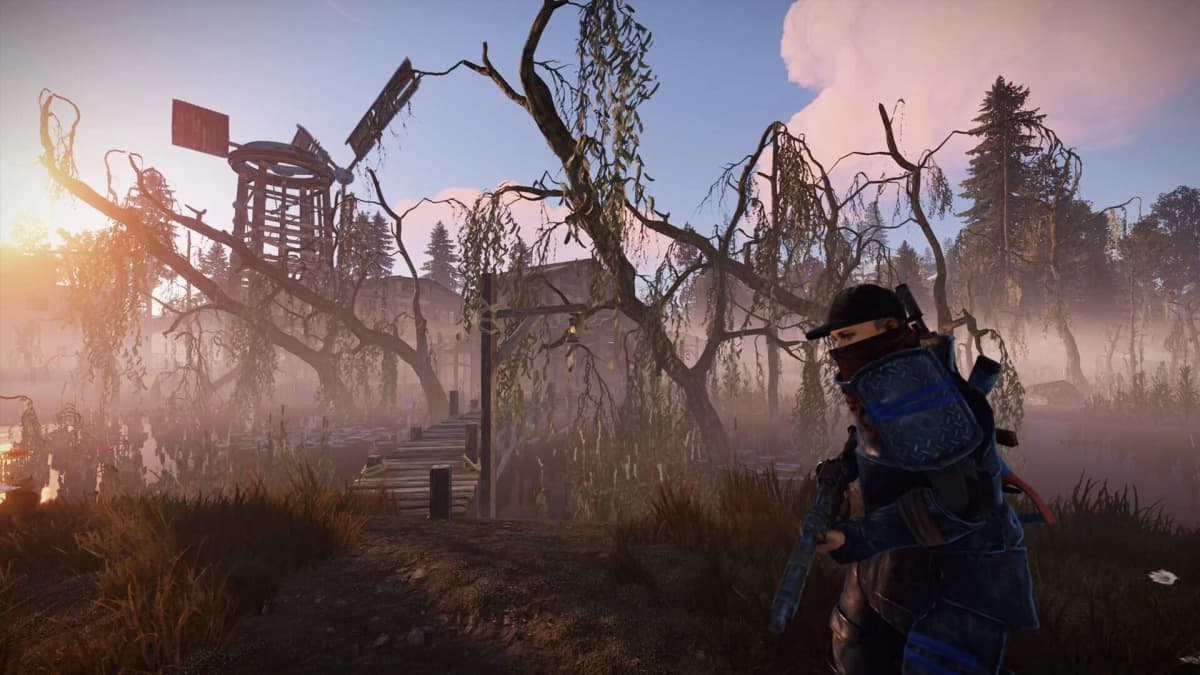
This caught my attention because Rust has spent more than a decade iterating in surprising directions – and the Naval update is the kind of expansion that could genuinely reshape how we play. Boats and floating cities are flashy, but the roadmap’s systems-level promises (Nexus cross-server travel, extended daytime, animal breeding, player creation) are the changes that’ll alter Rust’s long-term rhythm.
Table of Contents (5)
Rust Naval update is here – and 2026 looks like the year Facepunch reshapes the map
- Naval update (Feb 5): modular boats, deep-sea regions, tropical islands, floating cities, ghost ships, NPC behavior upgrades.
- Q1 2026: server browser overhaul, new anti-cheat layer, extended daytime – smaller but quality-of-life and fairness changes.
- Q2-Q3 2026: new weapons and systems (mortar, M16A2), player model and armor, apartment monument, clans, Nexus cross-server travel.
- Late 2026: animals with breeding and improved AI, biofuel generator, procedural caves, player creation, and the much-desired grappling hook.
{{INFO_TABLE_START}}
Publisher|Facepunch Studios
Release Date|Feb 5, 2026
Category|Survival
Platform|PC (Steam)
{{INFO_TABLE_END}}
Analysis — what Facepunch is actually doing (and why it matters)
The Naval update itself is a significant content expansion: modular boats and new sea biomes introduce traversal and PvP opportunities that change risk calculus for coastal bases. Floating cities and ghost ships give Facepunch new spaces to design encounters and loot, while NPC behavior upgrades make those spaces feel less static.
But the roadmap is where the real story is. The mix of Q1 quality-of-life work (server browser and anti-cheat) signals that Facepunch is balancing feature ambition with platform health — a necessary move for a game that thrives on online persistence and player-driven economies. Extended daytime alone will alter raiding windows and how players schedule play sessions; it’s a deceptively powerful tweak.
Mid-year items — new weapons, armor, and workbench upgrades — are familiar territory, but the apartment monument and clans hint at a shift toward social and economic infrastructure. Rental rooms and storefronts could create durable player-run economies and social hubs, making servers feel more like living worlds rather than disconnected PvP arenas.
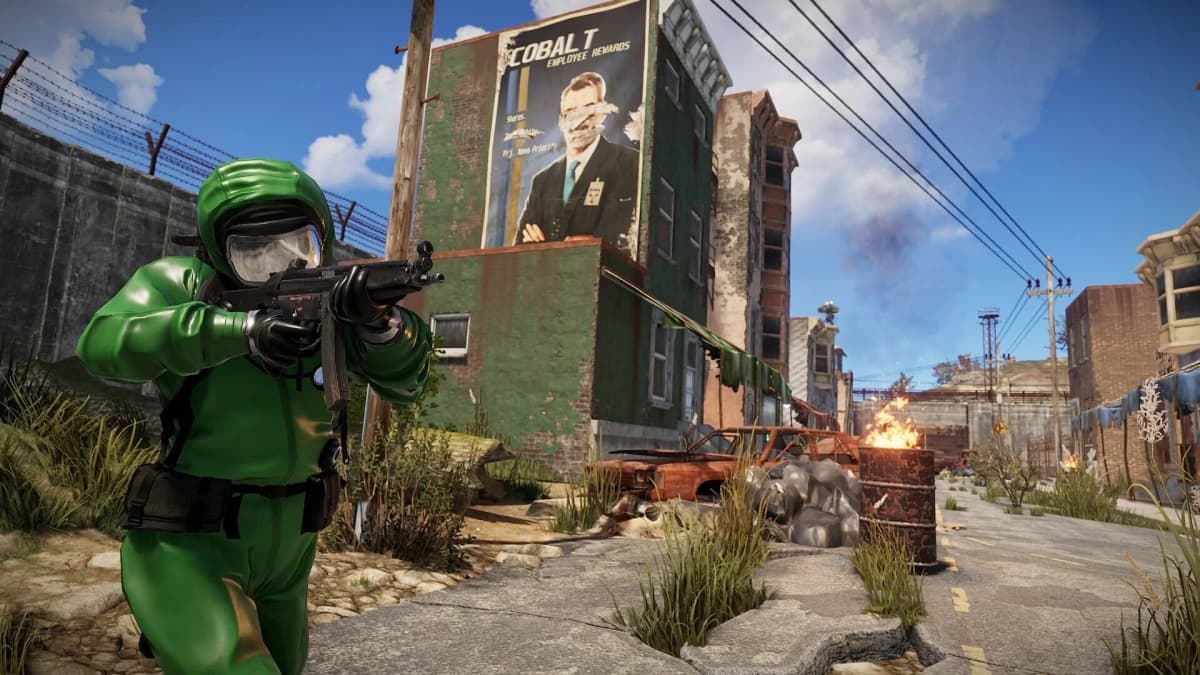
The Nexus system is the boldest technical promise: clustering servers so players can travel from server to server effectively chains sandbox instances into a larger “world.” If it works as pitched, it could reduce the isolation of small servers and enable emergent multi-server narratives. Facepunch has called it “an optional new way to play,” which is important — the core Rust loop should remain intact for purists.
Red flags and open questions
Monetization worries are the most obvious caution. A battle pass was hinted at by COO Alistair McFarlane, who said: “If we do this, it has to feel very ‘Rust,’ fair, respectful, and good value.” That’s reassuring rhetoric, but implementation will determine community reaction. Rust’s playerbase is sensitive to perceived monetization creep, especially if it tangibly changes gameplay balance.
Roadmaps are directional, not promises — Facepunch stresses they’ll respond to issues and player sentiment. That flexibility is good, but it also means some marquee items (Nexus, player creation, grappling hook) could shift or be delayed.
What this means for players
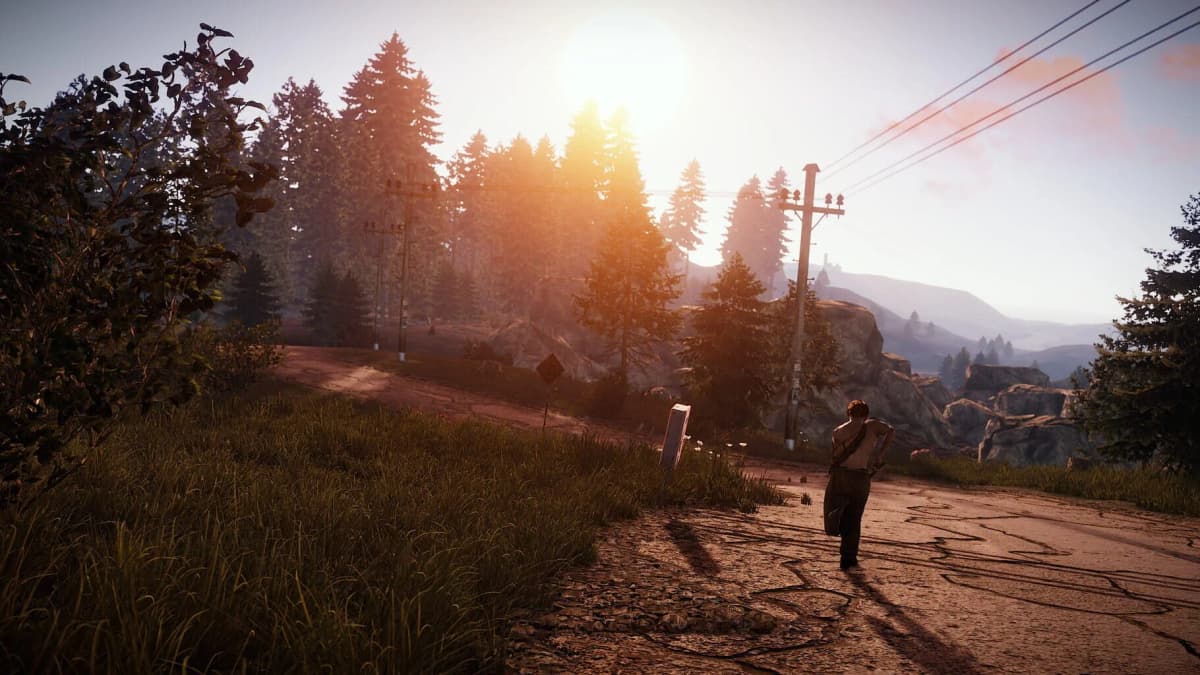
If you play Rust regularly, expect the coming year to broaden how you engage with the game. Coastal playstyles and sea-based logistics become viable with modular boats. Server communities might grow more social and economy-driven thanks to apartments and storefronts. Longer daytime and an improved server browser make the game less punishing for casual sessions. And, yes, grappling hooks and player creation are quality-of-life and identity features that many veterans will appreciate.
For competitive or PvP-focused players, new weapons and systems mean fresh metas to master; for roleplayers and builders, apartments, clans, and animal breeding open creative possibilities. For server admins and operators, Nexus and cross-server tech will create both opportunities and new balancing challenges.
TL;DR — Big update now, bigger vision ahead
The Naval update brings exciting, tangible content (boats, islands, floating cities) today. The 2026 roadmap shows Facepunch pivoting from isolated content drops to systems that change how Rust is played: server clustering (Nexus), social infrastructure (apartments, clans), longer days, animal AI and breeding, and player creation. Beware monetization signals like a possible battle pass, but overall this roadmap suggests Rust’s best years are still ahead — and yes, I want that grappling hook yesterday.
FinalBoss // Gear
Level up your setup
01Top-rated gaming headsetson Amazon→02High-refresh gaming monitorson Amazon→03Gaming chairson Amazon→04Discounted game keyson Kinguin→
Affiliate links · As an Amazon Associate, FinalBoss earns from qualifying purchases.