
Table of Contents (6)
Why this matters: Rust’s February Naval update is only the opening salvo
Facepunch is pitching the Naval update as a big gameplay expansion, but the real story is the roadmap that accompanies it. Rust isn’t just getting boats on February 5 – it’s getting a signal that Facepunch intends to keep investing in the core survival loop while juggling performance, anti-cheat, and new monetization experiments. That combination matters because Rust’s longevity hinges on keeping live services stable and players engaged without breaking the game’s rough-and-tumble identity.
- Key takeaways:
- Naval update launches Feb 5 with player-made boats and new islands – testable now on the staging branch.
- 2026 roadmap includes new monuments, updated player models/animations, animals with breeding, and ongoing performance/anti-cheat work.
- Facepunch will keep monthly guaranteed updates, explore paid DLC and a battle-pass system, but says nothing is locked in.
Breaking down the Naval update – what to actually expect
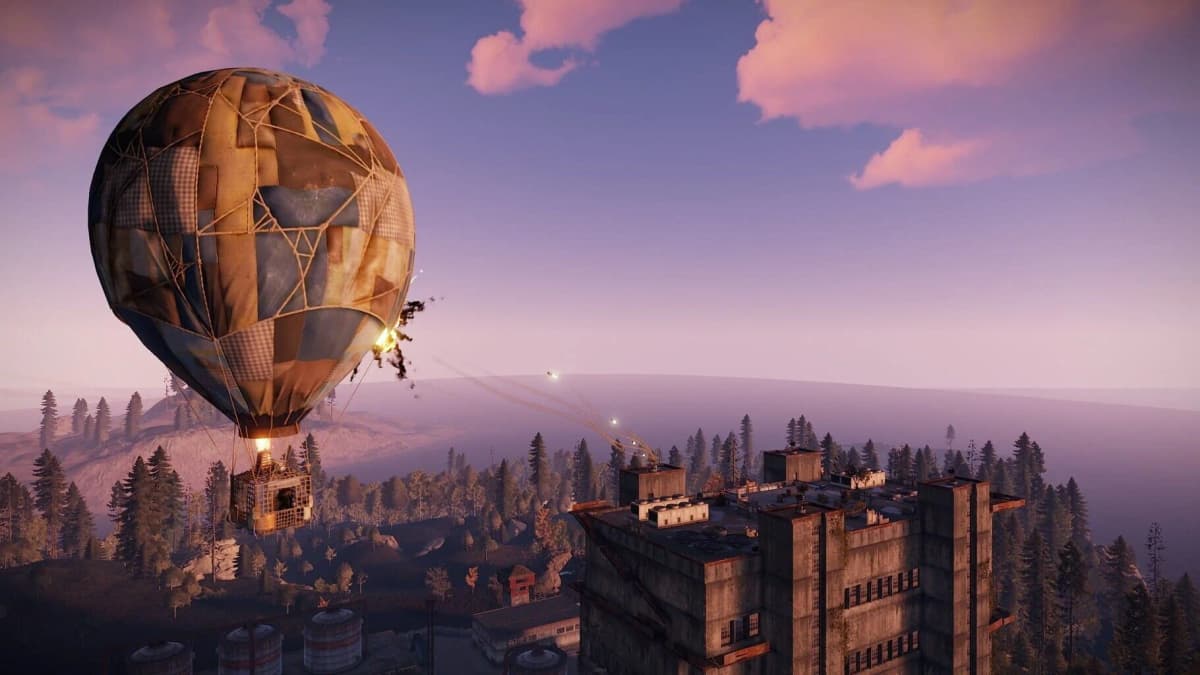
The Naval update is explicitly about mobility and exploration: player-made boats, waterways, and new islands. That’s the kind of sandbox expansion that can reshape a server’s meta — sea routes, naval raids, island forts, and yes, new ways to grief. Facepunch calls it “massive,” and for a game where traversal often limits what players can do, ships could unlock entirely new emergent moments.
If you’re impatient, jump on the Rust staging branch. Facepunch warns it’s rough — bugs, performance issues, and the usual test-server chaos — but that early access for the community matters. Rust’s player base has long been instrumental in shaping updates (and in breaking them), and Facepunch says it will open extra servers if demand spikes.
Why this roadmap matters — not just more content, but infrastructure
Facepunch isn’t just listing features; it’s promising priorities. The studio highlighted three areas that will shape whether Rust remains playable at large scale: cheating, performance, and content pacing. Cheating is still “one of the biggest threats,” and while premium servers (a Steam inventory gate) have helped, Facepunch is partnering on a third-party anti-cheat layer. That sounds positive, but details — and how intrusive or effective that layer will be — are missing.
Performance work is equally critical. Facepunch admits load times were “embarrassing” and trumpets a 65% reduction in some metrics last year. Still, they’re promising more lower-level work: render pipelines, navmesh, and general optimization. For veterans who’ve timed their deaths during long load screens, that’s the kind of practical improvement that affects daily play more than a flashy new monument.
The monetization question: DLC and a possible battle pass
Facepunch confirmed ongoing DLC — and is “actively exploring” a battle-pass-style system. That’s the part of the roadmap where my skepticism spikes. Rust’s community is fiercely protective of the game’s ethos; anything that smells like pay-to-win will be rejected. Facepunch is aware: they say any pass must feel “very ‘Rust’, fair, respectful, and good value.”
Practically, that likely means cosmetic-focused monetization, continued monthly skinnables, and DLC item packs rather than gameplay-affecting content. The studio also said the paid-DLC team is separate from the monthly update pipeline, which is a good sign — you don’t want new monetization to cannibalize content updates.
The gamer’s perspective: what to watch for
This roadmap reads like a studio balancing expansion with maintenance. New monuments, updated player models and animations, and an animal breeding system could add fresh loops and building strategies — think ranching, resource control, and new raid targets. But the real win will be in execution: will anti-cheat actually reduce cheaters, and will optimization keep servers stable as the player count grows?
Facepunch’s promise of “continued guaranteed monthly updates” is important. Monthly cadence keeps the game feeling alive without the whiplash of massive, infrequent patches. The studio also left room to shift priorities based on feedback, which is healthy; Rust’s best updates are those refined by the community.
TL;DR
Naval arrives Feb 5 and could change how Rust is played, but the bigger news is Facepunch’s roadmap: new monuments, animals and breeding, player-model updates, serious anti-cheat and performance work, plus ongoing DLC and the possible, cautiously framed battle pass. It’s a pragmatic plan — exciting if they deliver, risky if monetization creeps in or anti-cheat goes wrong. For now, try the staging branch and keep an eye on how those systems land in real matches.
FinalBoss // Gear
Level up your setup
01Top-rated gaming headsetson Amazon→02High-refresh gaming monitorson Amazon→03Gaming chairson Amazon→04Discounted game keyson Kinguin→
Affiliate links · As an Amazon Associate, FinalBoss earns from qualifying purchases.
Want to Level Up Your Gaming?
Get access to exclusive strategies, hidden tips, and pro-level insights that we don't share publicly.
Ultimate Gaming Strategy Guide + Weekly Pro Tips