
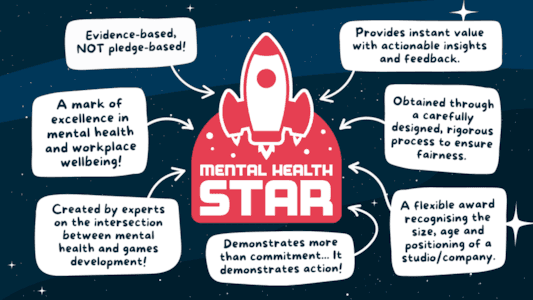
This announcement from Safe In Our World stood out to me, not because it’s another industry award, but because it tackles a topic we, as gamers and critics of the gaming biz, tend to see swept under the rug: the awful state of mental health at game companies. If you’ve followed the headlines about crunch, burnout, or toxic work environments at major studios-or even scrolled through postmortems from indie devs-you know the problem is as widespread as it is hush-hush. The idea of an accreditation specifically for workplace mental health in games? That’s new, and honestly overdue.
Let’s not mince words—the games industry has a documented mental health crisis. Anyone who remembers the reports on Rockstar’s “100-hour weeks” during Red Dead Redemption 2, or the endless stories of crunch at AAA and indie studios alike, knows that the conditions that make games possible can also break the very people making them. The memes about buggy launches and long delays aren’t just punchlines; they’re often direct results of overworked, under-supported devs.
Until now, most initiatives have amounted to hashtag campaigns, vague mission statements, or “wellbeing seminars” that do little to address structural issues. The whole idea of an external audit looking at genuine policy and culture—then giving studios a public badge based on the facts—hits differently. As a gamer, I want the industry to produce great games, yes, but not at the cost of people’s sanity and health.
The process isn’t just a rubber stamp: studios undergo a deep audit of their mental health practices, culture, and sentiment. Safe In Our World even points out that the program was designed by folks with hands-on industry and mental health expertise, so they actually get the reality of game development. This isn’t one of those initiatives that treats an indie with four people the same as Ubisoft with 4000 people—they’ve built in flexibility. Studios end up with one of three tiers: Dedicated, Accomplished, or Outstanding. There’s annual support, not just a one-and-done audit, and companies that don’t make the cut get actionable advice—not just an “F” and a pat on the head.
The thing I’m most curious about as a gamer and industry watcher: Will any big-name publishers actually sign up? If a studio lands the “Outstanding” rank and fans see them touting this on social media, the pressure is on to actually live up to it—or risk public backlash if their practices don’t match the badge. This could, in theory, create genuine accountability, not just another sticker for corporate slideshows.
The games industry loves awards, but this is the first I’ve seen that puts mental health on the same tier as technical or creative excellence. That alone is a massive step forward, especially when you consider how many horror stories have emerged on social media over the last decade. Even if only a handful of studios jump in at first, the very existence of a public-facing mental health grade could push others to improve, if only to avoid looking bad by comparison. In a space where studios care deeply about reputation among gamers and job seekers alike, getting (or failing) this accreditation could soon matter as much as any IGN review score.
On the flip side, I’ve seen similar programs in other industries turn into little more than PR moves: throw money at the audit, clean up the “about us” page, then go right back to crunch time hell. Whether this initiative will actually force or inspire lasting change comes down to transparency—both from Safe In Our World and the companies seeking accreditation. If studios end up using the badge as a shield while privately sticking to old habits, the program’s credibility will take a hit.
Honestly, yes. We all want better, more creative, less buggy games. Those come from healthy teams—not people who are fried from stress or scared to speak out. Academic studies and anecdotal evidence alike suggest that studio wellbeing directly affects game quality and innovation. If you love games and want the industry to keep making fresh experiences, supporting studios committed to real mental health reform is actually in your best interest. Of course, it’s on us to stay skeptical—watch who gets accredited, and how they follow through.
Safe In Our World’s Mental Health Star Accreditation is the first real shot at holding studios accountable for employee wellbeing. It’s flexible, public, and (if taken seriously) could help drag the industry out of the mental health dark ages. The catch? It only works if companies—and the gaming community behind them—insist on transparency and real follow-up. I’m rooting for it, but I’m watching carefully.
Get access to exclusive strategies, hidden tips, and pro-level insights that we don't share publicly.
Ultimate Gaming Strategy Guide + Weekly Pro Tips