
Table of Contents (9)
The night my “invincible” Leone Tokyo got exposed
My unbeaten run died in a hotel room before an Asia Club Championship match, staring at a medical report screen that said Erling Haaland was “unwell” and sitting at 60% condition. Two in-game years of league perfection in Sakatsuku 2026 – J3 and J2 wiped without a single defeat – and it all came crashing down, not because I suddenly forgot how to set a defensive line, but because my star striker’s imaginary immune system tapped out.
That was the moment I realised what Sakatsuku 2026 really is. It sells itself as a tactics-heavy, scouting-and-development football management sim. And it is that, to a point. But once you hit J1 with a successful side like my original club, Leone Tokyo, the real final boss isn’t Kashima or Urawa. It’s the calendar. It’s fatigue bars. It’s a game design philosophy that basically says, “Nice domestic treble dream you’ve got there – shame if a surprise continental slot and a stomach bug lit it on fire.”
I still lifted the J1 trophy. I even snagged the Levain Cup and finished runner-up in Asia. On paper, year three of my save is a dream season. But playing through it felt like winning an arm-wrestling match right after dislocating my shoulder. Technically a victory. Emotionally? A mess.
Leone Tokyo: from meme club to domestic monster
I didn’t go into Sakatsuku 2026 treating it like a casual mobile time-waster. I’ve sunk stupid hours into Football Manager, I lived through the Pro Evo Master League glory days, and I still remember grinding through old Sakatsuku entries on PlayStation until my save file corrupted. I wanted an old-school “build a club from nothing” saga, not a gacha treadmill in disguise.
Leone Tokyo started in J3 as a blank slate. I went full min-max from day one: staff upgrades, scouting every half-decent free agent, trimming wages like I was running a real board meeting. The result? Two full league seasons – J3 and J2 – unbeaten. Not a single L in the column. Promotions secured with games to spare, stadium expanded to hit the J1-required 15,000 capacity, finances in the black, supporters euphoric.
By the time J1 rolled around, this wasn’t a plucky underdog story anymore. It was a machine. The spine of the team was absurd for a club that technically just arrived in the top flight: Antanshen as the creative left-sided menace, a still-lethal Jamie Vardy harassing defenders from the central channel, Haaland as the murderous focal point. Behind them, Takumi Minamino linking lines and ghosting into the box, and a midfield designed to win the ball and immediately feed the front three.
I wasn’t pretending to roleplay as a mid-table survival merchant. I wanted blood. And Sakatsuku 2026 gave me the perfect weapon.
The three-attacking-mid shape feels dirty… and I loved it
The tactical breakthrough of the save was the aggressive three-attacking-mid setup. Think of it as the football-management equivalent of putting all your skill points into DPS and daring the game to keep up. Three advanced midfielders sitting behind a forward line that might as well have a “ruin their careers” toggle.
On the left, Antanshen drifting inside, combining with Minamino and constantly arriving at the back post. In the middle, Vardy making those kamikaze runs straight through the heart of J1 defences. On the right, Haaland as a hybrid nine-and-a-half, constantly attacking the channel but dropping just enough to play quick one-twos. In Sakatsuku 2026’s match engine, that triangle shreds low blocks and slow centre-backs like paper.
From the J1 opener, it was carnage. Goals in bunches, defenders utterly lost, my notifications blowing up with “Leone Tokyo’s unstoppable attack” headlines. The game rewards front-loaded risk: if you can press high, win the ball early and funnel it into technically superior attackers, you delete weaker sides before they can even execute their game plan. I was chaining wins, rotating just enough to keep the domestic schedule under control, tinkering with pressing triggers like I was Pep rewriting the textbook.
And here’s the thing: this tactic really is fun. It’s loud, it’s reckless, it feels slightly broken in that “I’ve figured out the meta” way. A lot of players clearly land on the same idea: J3 and J2 are soft enough that you can steamroll with a lopsided offensive shape, then carry that momentum into J1 for an immediate title charge. That’s exactly what I did. By the summer break in year three, Leone Tokyo were cruising at the top of the league, goals scored column a full-on war crime.
But that attacking high hid a problem I didn’t want to see: I had built a Formula 1 car with a scooter’s spare parts department. My first XI was terrifying. My depth chart was a joke.
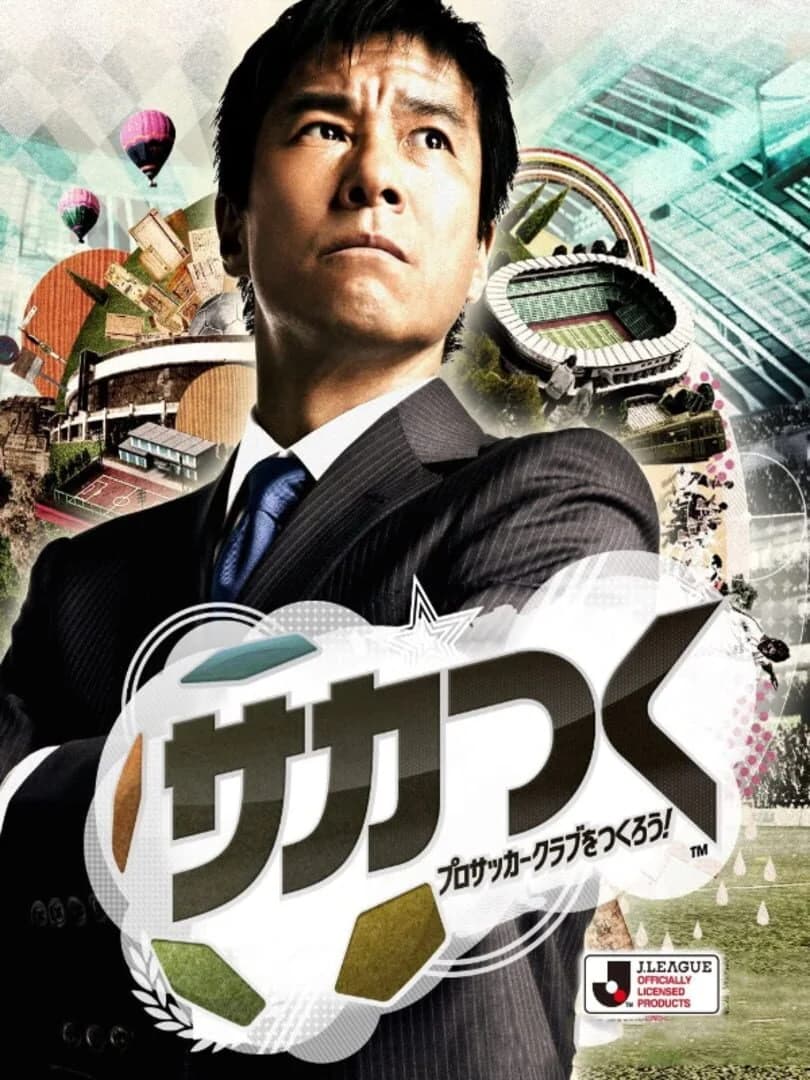
Levain Cup glory, Asia “bonus” slot, and the moment the game turned on me
The Levain Cup run in that third season was my first big warning sign, and I ignored it completely. I treated the cup the way I treat cup competitions in most football games: either a trophy party or a convenient rotation sandbox. Sakatsuku 2026, on its surface, encourages that. Lots of fixtures, lots of chances to blood youngsters, prestige if you go deep.
So I went for it. I rotated probably a bit too aggressively early on, squeaked through some ties I had no right to win, then leaned on the big guns once the semi-final came around. Beating Urawa in a tight, tactical semi felt earned. Lifting the cup in the final felt like validation for my hyper-offensive philosophy: score one more than them, chaos is fine as long as my chaos is deadlier.
Then came the small print. Winning the Levain Cup fired me into an Asian competition slot far earlier than I’d planned. Suddenly, my “Japan arc” wasn’t just J1, a domestic cup and some stadium expansion. It was international travel, extra midweek games, brutal away days against technically superior squads, and – most importantly – zero time to breathe.
This is where Sakatsuku 2026 stops pretending it’s just about tactics and squad-building. Success is punished with live-service pacing. The game throws fixtures at you like dailies in a gacha RPG. Training plans start to feel ornamental, because condition and fatigue dictate everything. Rest, rotation, medical upgrades, squad size – they all snap into focus as the real meta, while your beloved three-attacking-mid shape becomes a luxury you can’t actually deploy every three days with the same eleven.
I get what the designers are going for. In the real world, clubs that break through domestically often get smacked in the face by the jump in intensity that comes with continental football. But the way Sakatsuku 2026 compresses the schedule and glues so much of your fate to the fatigue system feels less like a simulation and more like a punishment mechanic. It’s the game sneering at you: “Oh, you thought you were good? Here, enjoy managing five competitions with a squad built for two.”
When Haaland’s health bar matters more than my tactics board
The Asia Club Championship run is honestly where my respect and frustration for Sakatsuku 2026 peaked at the same time. Tactically, a lot of these matches were fascinating. Facing teams with more complete starting elevens, I had to adapt my beloved front-three madness. Sometimes that meant pulling Minamino a bit deeper, sometimes it meant asking Vardy to play more conservatively, sometimes it meant swallowing my pride and tightening up the lines instead of playing full send.
But all those nice little tweaks evaporated the moment the condition icons started glowing red. Fixture after fixture, players were running at 70%, 65%, some even dipping into the 50s because I’d refused to sacrifice domestic momentum earlier in the season. And then came the big one: a key Asian knockout tie lined up three days after a crucial league match, with Haaland’s avatar grimacing at me from the squad screen.
But all those nice little tweaks evaporated the moment the condition icons started glowing red. Fixture after fixture, players were running at 70%, 65%, some even dipping into the 50s because I’d refused to sacrifice domestic momentum earlier in the season. And then came the big one: a key Asian knockout tie lined up three days after a crucial league match, with Haaland’s avatar grimacing at me from the squad screen.
🎮 Get This Game at the Best Price
Compare prices instantly and save up to 80% on Steam keys with Kinguin — trusted by 15+ million gamers worldwide.
*Affiliate link — supports our independent coverage at no extra cost to you
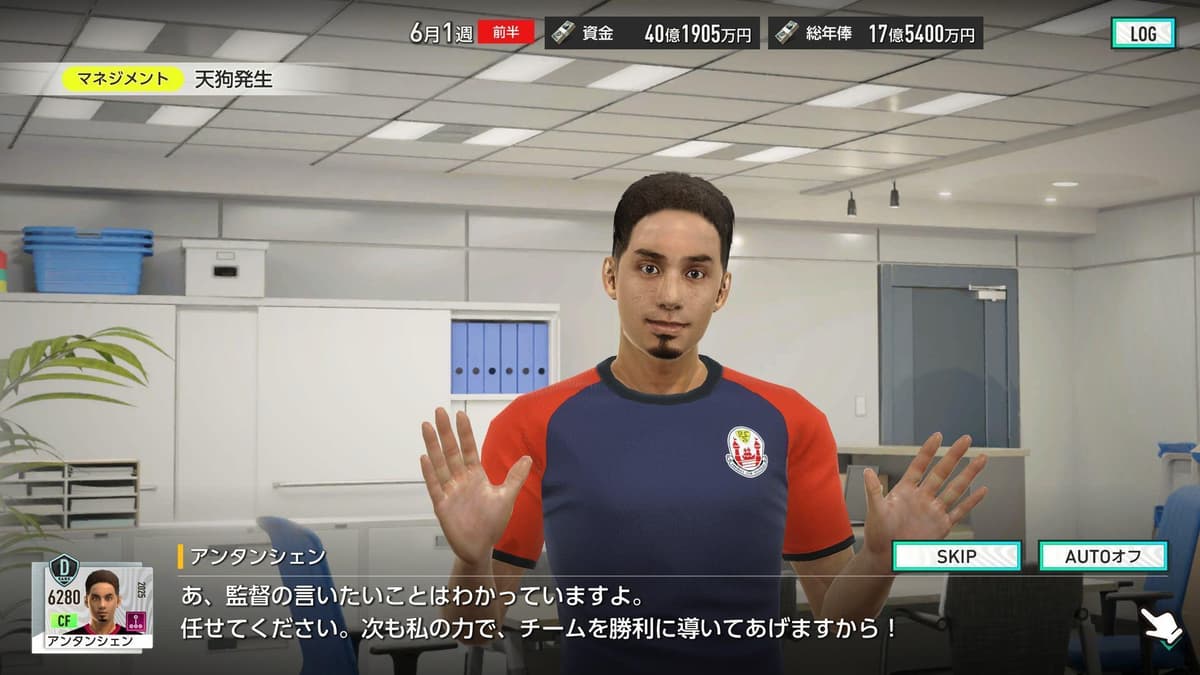
Health issues. Reduced stamina recovery. Performance penalty.
I started him anyway. Of course I did. This is Erling Haaland in Sakatsuku, not some regenned youth prospect. He plodded around like he was running in sand, missed chances he would normally bury with his eyes closed, and my whole system wilted. We were thrashed in a way my Leone Tokyo side had never experienced. That spotless domestic myth I’d built in my head – the invincibles, the unstoppable attack, the meticulous tactical genius – cracked in a single night.
On one level, this is brilliant design. The game punished my arrogance, my refusal to plan squad depth, my obsession with short-term glory. On another level, it felt cheap. The match engine didn’t outfox me; a health-debuffed superstar did. My three attacking mids didn’t suddenly stop synergising; they just stopped being able to run.
And that tension sits at the heart of my feelings about Sakatsuku 2026. It’s incredibly good at turning a save into a story – my story, your story, Leone Tokyo’s rise and stumble. But it sometimes confuses narrative drama with throwing bricks at the player until the save file limps, bleeding, into the season review screen.
I thought I was Pep. I managed the squad like an exhausted Sunday leaguer.
I’m not going to pretend I was blameless. Looking back at that third season, my transfer policy was naïve. I poured resources into improving the first XI when I should have been building out a shadow squad. Backup full-backs? Bargain-bin. Reserve attacking mids? A tier and a half below the starters. Rotational striker? Forget it, I was too busy salivating over the idea of Haaland hat-tricks in every competition.
The game does send warning signals. Fitness reports nag, the medical team mutters about fatigue, the rotation suggestions get more frequent. But coming off two lower-division seasons where my best eleven could play ridiculous minutes without meaningful consequence, I’d been conditioned to treat those warnings like background noise. The jump from “you can basically spam your best players” to “you must treat this like an elite European superclub juggling everything at once” is abrupt.
And that’s my biggest criticism of Sakatsuku 2026’s progression curve: it lets you learn bad habits in J3 and J2, then punishes you brutally for keeping them in J1 and beyond. The result is a weird tonal whiplash. The early game almost plays like power fantasy – J3 and J2 are soft enough that aggressive meta tactics and a few clever signings can carry you to unblemished glory. Then, once you succeed too much, the AI quietly turns into a brick wall and the calendar starts mugging you in alleys.
To be fair, this is also what makes the stories people share about the game so compelling. I’m not alone in this curve. Other saves pull the same J3–J2 unbeaten path and instant J1 domination with offensive superstars, then hit the same reality check in Asia or in year four when the squad’s age profile and fatigue start biting. There’s a shared understanding: the sprint to domestic supremacy is the easy part. Surviving your own success is the hard bit.
The genius and the idiocy of Sakatsuku 2026’s design
Here’s where I land after that third season with Leone Tokyo: Sakatsuku 2026 is at its best when it forces you to make horrible choices. Rest Haaland and protect your J1 dominance, or chase international prestige and risk blowing the league. Put faith in a tiring Vardy, or trust that unproven youngster you barely remember scouting. Sacrifice a domestic cup, or risk your team’s legs for the narrative glory of a treble attempt.
These are the same kinds of pressures real clubs face, and the game captures that feeling better than most football sims on the market. It’s more tangible than the abstract schedule stress in Football Manager, more systemic than the shallow tournament hops in most console sports titles. When Sakatsuku 2026 leans into that, it’s outstanding.
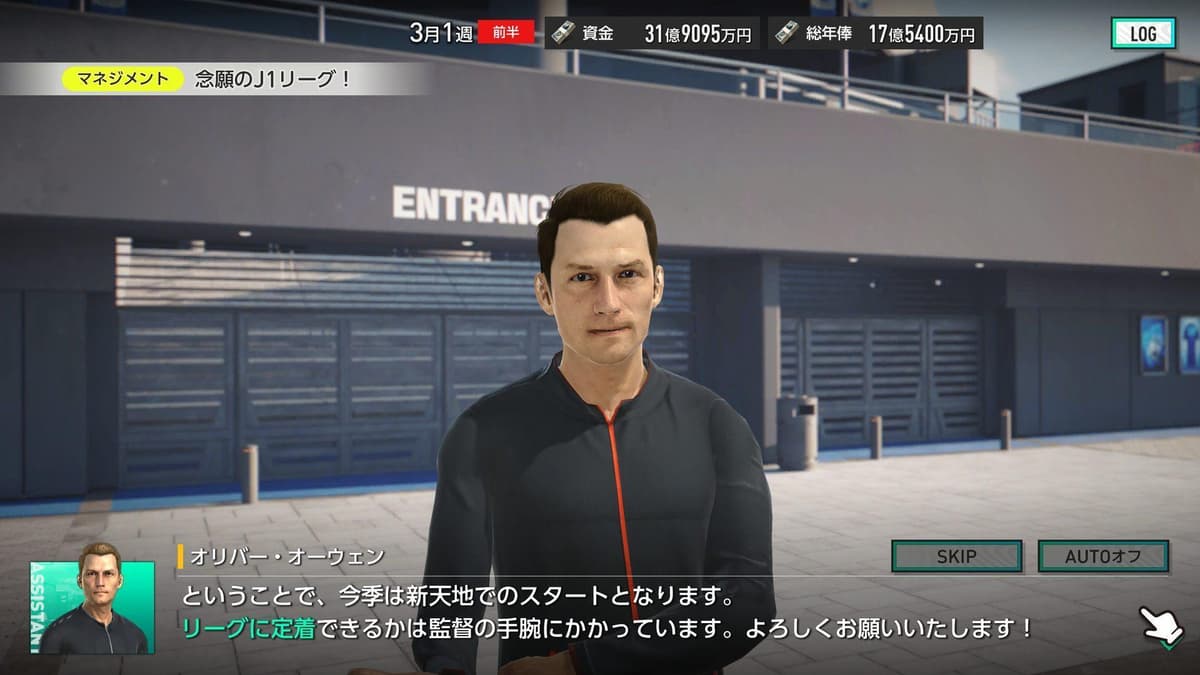
But the idiocy is baked into how success is structured. It pretends to celebrate your achievements – J3, J2, J1 titles in a row, Levain Cup win, Asia runner-up – while setting you up in a trap that almost guarantees burnout. The calendar doesn’t scale with your club’s actual infrastructure or the natural time it takes to build depth. It just dumps everything on you the moment a trophy hits your cabinet.
The meta it nudges players toward is clear: min-max early leagues with attack-heavy tactics, accept that you’ll be overmatched talent-wise at the very top, and treat continental runs as narrative seasoning rather than a realistic route to long-term dominance – at least until you’ve spent a few seasons purely building depth. It’s slightly at odds with the fantasy the game appears to sell: that clever tactics and a few smart signings can keep you on top forever.
In my case, the third season forced a kind of identity crisis. Was Leone Tokyo a storytelling device I ride until it breaks, or a long-term project I nurse responsibly? The game pushed me toward the former. I went for every trophy, ignored the warning signs, and burned my own superteam to the ground through mismanagement and stubborn pride.
Why I’m leaving Japan while I still care about this club
The irony is that on the season review screen, everything looked perfect. J1 champions in our debut year. Levain Cup winners. Asia Club Championship runners-up. Stadium capacity hit. Finances solid. Reputation through the roof. In the trophy room, Leone Tokyo are already a “domestic powerhouse” after three seasons.
But I know how close that save is to turning from gripping to tedious. Another year of this calendar, with aging stars, creeping fatigue, and the constant need to micromanage every rest day, and I’d start resenting a club I love. So I’m doing the thing that feels counterintuitive in a game built around infinite grind: I’m wrapping up the “Japan arc” and moving on to the “world arc”. New league, new pressures, long-term aim of hitting a Club World Cup route without repeating the same self-inflicted mistakes.
Next time, I’m building depth before glory. I’m treating continental qualification as a multi-season project, not a bonus side quest attached to a domestic cup. I’m refusing to lean so hard on one or two superstars that a single bad condition roll can derail an entire narrative climax. And yes, I’m still probably going to dig that three-attacking-mid setup out of the drawer, because it’s simply too fun to abandon.
Sakatsuku 2026 annoyed me more than any football game has in years, but it also did something the slicker, more polished sims often fail to do: it made me feel the cost of winning. Not in some abstract attribute-decay table buried in menus, but in Haaland trudging through that Asian knockout tie like a shell of himself, in my previously invincible Leone Tokyo getting torn apart on a night when the condition bars were screaming for mercy.
That’s why I’m still thinking about that third season weeks later. Not because of the trophies in the cabinet, but because of the way the game forced me to confront how flimsy my supposed “master plan” really was. Sakatsuku 2026 let me build a monster, then made me live with the consequences of unleashing it on too many fronts at once. For all the bullshit in how it structures success and scheduling, that’s a lesson I’m taking with me into every save from now on.
Leone Tokyo got their storybook rise and their brutal comedown in just three in-game years. The next chapter happens abroad. And this time, if my unbeaten run dies, it had better be because I got outplayed, not because my medical staff lost a battle with the calendar.
FinalBoss // Gear
Level up your setup
01Top-rated gaming headsetson Amazon→02High-refresh gaming monitorson Amazon→03Gaming chairson Amazon→04Discounted game keyson Kinguin→Affiliate links · As an Amazon Associate, FinalBoss earns from qualifying purchases.
Want to Level Up Your Gaming?
Get access to exclusive strategies, hidden tips, and pro-level insights that we don't share publicly.
Ultimate Gaming Strategy Guide + Weekly Pro Tips