
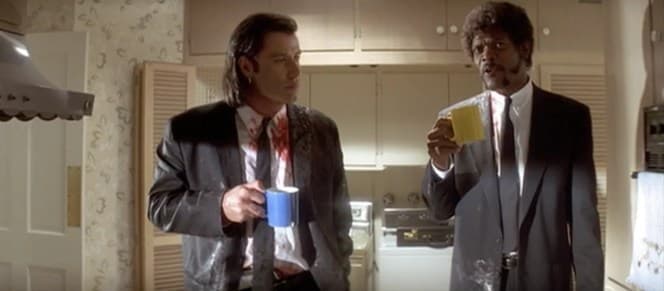
Samuel L. Jackson almost didn’t become Jules Winnfield in Pulp Fiction. That’s wild on its own-but what grabbed me, as someone who obsesses over voice acting and performance in games, is how his second-chance audition didn’t just land the role, it literally rewrote the film and rippled into gaming culture. If you’ve ever replayed Grand Theft Auto: San Andreas and felt the menace rolling off Officer Tenpenny’s lines, you’ve felt the same energy that started in that audition room with a burger, a milkshake, and a lot of pent-up fury.
The role of Jules was reportedly written with Jackson in mind, but his first audition didn’t land—classic case of thinking the part was already his. Calderon impressed the team so much he was in serious contention, with Fishburne approached before that and ultimately declining. Jackson flew to Los Angeles for a last shot, exhausted and hungry. He showed up with a burger and milkshake, and the mood in the room flipped instantly. Producer Richard Gladstein later recalled: “[Translated] Sam walked in with a burger in one hand and a drink in the other, smelling like fast food. He started sipping his shake and biting the burger while staring at us. I was terrified. I thought this guy was going to shoot me in the head.” Producer Lawrence Bender added that Jackson barked: “[Translated] You think you’re going to give this role to someone else? I’m going to blow you up, you bastards.”
The team didn’t just give him the part; they folded that energy straight into the script. Jules slowly chewing a Big Kahuna burger while calmly threatening a terrified kid is cinema burned into our collective memory. It’s also a perfect example of how lived experience and a moment of real emotion can reshape a character—something games are increasingly good at capturing when they trust actors and performance directors to push beyond the page.
Fast-forward a decade: Jackson voices Officer Frank Tenpenny in GTA: San Andreas, and it’s impossible not to hear echoes of Jules—weaponized charisma, sermon-like cadence, the “I own this room” aura. Tenpenny isn’t Jules 2.0; he’s dirtier and more corrupt, tailored to Rockstar’s satirical LA. But the performance has the same spine: control through tone and rhythm. That’s why Tenpenny still lands for players twenty years later; he’s not just lines, he’s presence.
We talk a lot about celebrity stunt casting in games (some of it flat, some of it great). Jackson’s Tenpenny sits in the “great” column because it wasn’t just a famous voice pasted onto a thin role. He shaped the character. Same reason Keanu Reeves worked in Cyberpunk 2077 or Rami Malek in Until Dawn—there was room for them to inhabit the character, not just read dialogue into a mic.
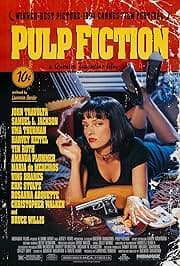
Here’s the bigger takeaway for gaming: the best performances often come from friction—actors pulling some truth from their own lives and smart directors letting that bleed into the final product. Pulp Fiction captured that by accident; games now chase it by design with performance capture and longer rehearsal cycles. Think of the gravity in The Last of Us, the father-son messiness in God of War, or the brittle swagger in Alan Wake II. These hit because teams let actors move, pause, throw away a line, and own a moment.
It’s also a good reminder that creative “mistakes” can become identity. Jules’ look? That wasn’t even the plan—an errant wig swap created the now-iconic Jheri curl, which Tarantino and Jackson embraced. Games have their own happy accidents: emergent systems birthing legendary moments, or a prototype animation that becomes a character’s signature. If you’re a developer, there’s a lesson here—leave space for discovery. If you’re a player, this is why those little details stick with you years after the credits roll.
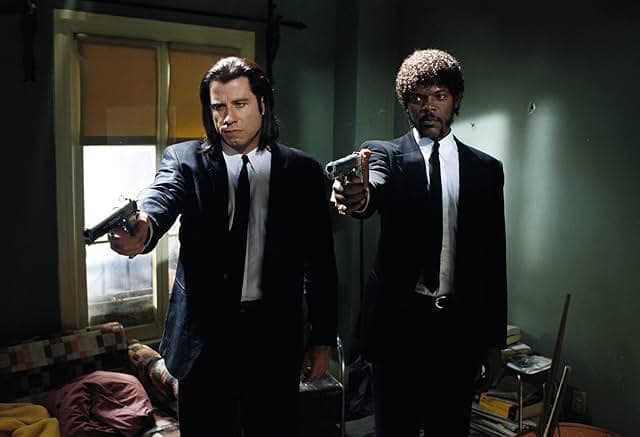
Hollywood loves myth-making, and stories like this get polished with every retelling. Maybe the exact wording of those audition threats isn’t verbatim. But even if some edges are smoothed, the core checks out—and you can see it on screen. More importantly for us, you can hear it years later in Tenpenny’s bark and in countless games riffing on Tarantino’s rhythm, from GTA’s nonchalant brutality to the bite-sized menace in Hotline Miami and the fractured timelines of 13 Sentinels and Her Story. The DNA is everywhere.
Samuel L. Jackson nearly missed Jules, then walked into a second audition so potent it became part of Pulp Fiction. That same force later powered GTA: San Andreas’s Tenpenny and paved the way for better, bolder performances in games. Trust actors, embrace accidents, and let the moment live—players can tell when it’s real.
Get access to exclusive strategies, hidden tips, and pro-level insights that we don't share publicly.
Ultimate Gaming Strategy Guide + Weekly Pro Tips