
Table of Contents (8)
Why Sandfall’s “We’re Staying Small” Announcement Actually Matters
This caught my attention because it’s rare to see a studio walk away from the usual playbook after a breakout hit. Clair Obscur: Expedition 33 sold over five million copies and swept nine Game Awards – the kind of success that usually turns small teams into mid-size publishers overnight. Instead, Sandfall Interactive’s head Guillaume Broche told Edge the studio will not scale up. That decision says a lot about creative priorities, business trade-offs, and what “indie” means in 2025.
- Key takeaway: Sandfall is choosing creative limits over growth, adapting projects to the team rather than the other way around.
- Another win: staying small preserves hands-on craft and avoids the corporate drift that ruins many indie flavors.
- But there are real risks: added support burden, expectations for more content, and backlash over indie authenticity and AI use.
Breaking Down the Announcement
Sandfall’s message is deceptively simple: the studio prefers to keep its team compact and projects intentionally scaled. In practice that means future games will be shaped by the size and strengths of the existing team rather than chasing larger budgets, live-service ambitions, or high-frequency DLC. Broche framed it as a deliberate artistic stance – lean teams, tighter creative leadership, and constraints that push better design – not a financial failure or an inability to grow.
Why This Matters Now
We’re in a post-hype cycle where “indie” often equals VC-backed studios with hundreds of employees or teams that expand to support games-as-a-service models. Sandfall’s choice runs counter to that. Their success shows that massive sales don’t automatically require expansion to maintain momentum. For players, it signals more focused, auteur-driven experiences instead of sprawling ecosystems tied to constant monetization.
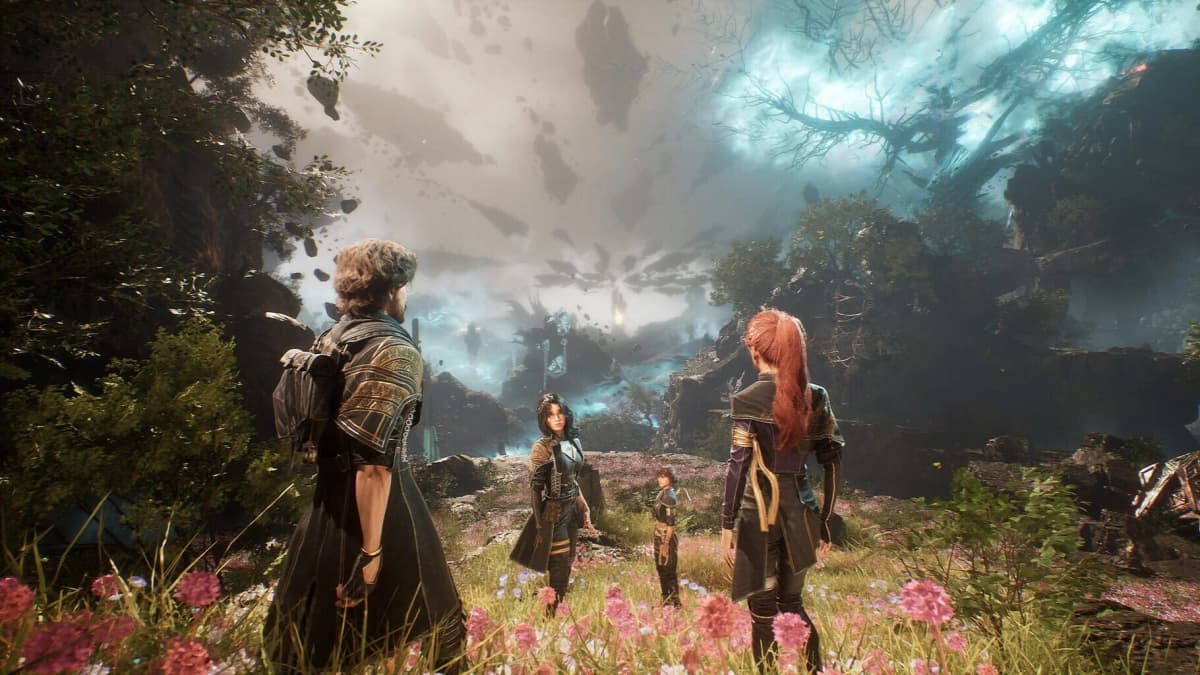
The Context: Creative Control vs. Commercial Pressure
From a development perspective, scaling up brings benefits — more manpower, faster production pipelines, and the ability to support post-launch content. It also brings managerial bloat, diluted vision, and pressure to chase broader markets. Sandfall appears to be choosing the pain of limited resources over the slow death of a unified creative voice. That’s an artistic stance we’ve seen in other corners of the industry, and it often yields games that feel cohesive and personal.
But this stance isn’t without friction. The studio’s decision comes amid controversy over AI and questions about what “indie” means when you sell millions of copies. Fans and critics will nitpick: can a tiny team realistically support live patches and community expectations? Will limited headcount slow down new releases? Those are fair concerns.
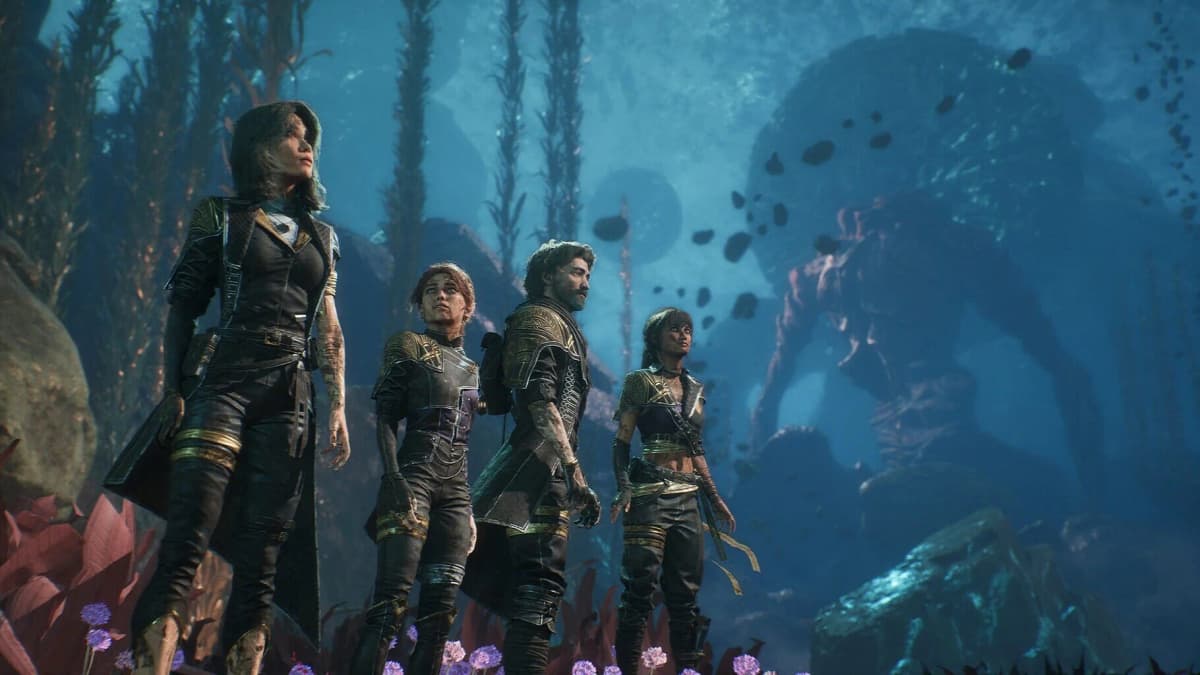
What Gamers Should Expect
- Smaller, tightly focused games that prioritize craft and cohesion over scale.
- Longer gaps between releases, but potentially higher production care per title.
- Possible reliance on strategic partnerships or outsourcing for backend services rather than internal growth.
- Transparency and creative consistency — assuming the studio resists investor pressure to expand.
Potential Downsides and Skepticism
I’m skeptical about two things. First, maintaining support for a global player base with a tiny team is hard; patches, QA, and community management can overwhelm the creative core. Second, the “we’ll stay indie” claim will be tested as the company faces more offers, partnerships, or publisher interest. Staying small is noble, but it’s also a choice that has to survive financial realities and personal burnout.
Looking Ahead
Sandfall’s decision reframes success. Instead of growth as the default reward, the studio treats creative autonomy as the prize. For other developers and players, this sets a useful precedent: commercial success doesn’t have to equal expansion. Expect Sandfall’s next project to be crafted around existing capacities, not the other way around — a move that could deliver something rare in AAA-sized attention spans: a compact, uncompromised game experience.
TL;DR
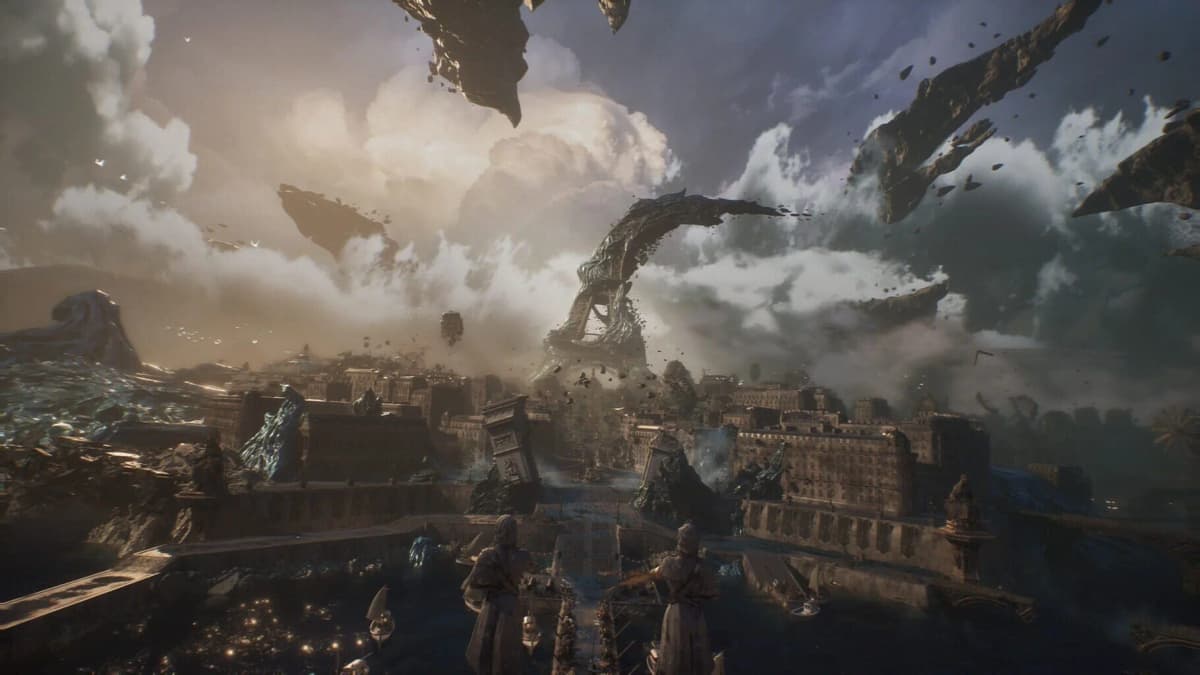
Sandfall sold millions and won awards, then chose to stay small. It’s an intentional, artist-first decision that favors focused games and creative control. That’s great for players who prefer tightly made experiences, but it comes with real operational and expectation risks.
FinalBoss // Gear
Level up your setup
01Top-rated gaming headsetson Amazon→02High-refresh gaming monitorson Amazon→03Gaming chairson Amazon→04Discounted game keyson Kinguin→Affiliate links · As an Amazon Associate, FinalBoss earns from qualifying purchases.
Want to Level Up Your Gaming?
Get access to exclusive strategies, hidden tips, and pro-level insights that we don't share publicly.
Ultimate Gaming Strategy Guide + Weekly Pro Tips