
Earlier biomes in Saros let you solve one problem at a time. You could clear a room, line up a jump, then reset your pace before the next fight. Acolyte’s Haven is where that rhythm disappears. The sixth biome folds combat, platforming, and environmental hazards into the same sequence, so the cleanest walkthrough is also the safest one: follow Nitya’s trail toward the giant statue, shoot traversal drones before you commit to any gap, respect the laser timing instead of trying to brute-force it, grab the Ripsaw Chakra as soon as it appears, then save your focus for the Beacon arena and the Shepherd boss on the Echelon II Vessel. If you are dying here repeatedly, the usual cause is not raw damage output. It is rushing the traversal and missing parry chances during the boss.
Table of Contents (13)
Why Acolyte’s Haven feels harder than the biomes before it
Acolyte’s Haven is set across the lower section of a dam, and the layout is built to punish sloppy movement. Bottomless pits turn every knockback into a real threat. Laser traps force timing checks in spaces where enemies still pressure you. Grapple sections are not always active by default, so when a route looks incomplete, the answer is often to shoot the nearby drone that raises a platform or enables the crossing. The game does not always pause to explain that clearly, which is why this biome trips up players who are otherwise comfortable with straight combat rooms.
The other difficulty spike is enemy composition. Haven mixes tougher foes such as Dynast, Prime Hollower, and Prime Devastator into traversal-heavy stretches, so even a routine skirmish becomes dangerous if it happens on a narrow platform or beside a pit. That is why the best walkthrough mindset here is hazard-first, enemy-second. If a room gives you bad footing, fix your angle and space before you start chasing damage.
- Scan above and ahead before every jump: drones are easy to miss, and they often control the intended route.
- Do not dash blind after a grapple: landing zones frequently place enemies where they can force an immediate mistake.
- Fight away from ledges when possible: even small hits become run-ending near bottomless pits.
- Keep some healing for the statue arena: the biome does not really relax once you reach the Beacon objective.
Step-by-step route to the Beacon
Dam approach: treat traversal as part of the fight
From the opening stretch of Acolyte’s Haven, your main job is to follow Nitya’s trail while reading the environment more carefully than in earlier areas. When you hit the first chains of pits and suspended platforms, slow down and look for drones before assuming the path is broken. Shooting them is what opens the route. This is the biome’s most important traversal lesson, and once you recognize it, a lot of the layout stops feeling arbitrary.
Laser sections are similar. The trap itself is usually less dangerous than the panic it creates. If enemies are active, clear the angle first instead of trying to sprint through beams while taking fire. If the section is quiet, watch the laser cycle once and cross on the clean window. Acolyte’s Haven is much more manageable when you stop treating every hazard like a speed test.
Mid-biome combat rooms: kill for space, not just for damage
The enemy packs on the way to the statue are where most runs get messy. Dynast, Prime Hollower, and Prime Devastator all matter less as isolated enemies than as space-denial problems. In open ground, you can kite them. On Haven walkways, they can pin you into a laser lane or force a dodge toward a pit. Prioritize whichever target is blocking your movement line, even if it is not technically the tankiest foe on screen. That usually means clearing aggressive flankers first, then burning down the heavy threat once the arena stops collapsing around you.

If a room gives you any kind of pillar, corner, or safer interior platform, use it. Haven punishes centerline duels on narrow bridges. A short reset behind cover is often better than trying to maintain perfect DPS while surrounded by environmental risk.
Pick up the Ripsaw Chakra and change how you engage
Midway through the biome, you obtain the Ripsaw Chakra, and it is not just a new weapon pickup. It is the tool that fits Haven’s pacing best. On controller, the key habit is to hold L2 to deploy the saw disc and use R2 to keep the damage flowing. On other control layouts, use the equivalent aim and fire inputs rather than tapping it like a standard gun. The weapon shines because it deals sustained damage while you stay mobile, which is exactly what this biome asks from you.
Against clustered enemies or sturdier targets, the Ripsaw Chakra lets you keep pressure on the field while you reposition around pits, lasers, or bad lines of fire. That matters more here than burst damage alone. If you only tap the weapon and never let the disc do its work, it will feel weaker than it actually is.
Statue elevator and Beacon arena
Once you reach the giant statue, take a brief sweep for nearby pickups before you fully commit. The route tightens after this point. Ride the elevator inside the statue and prepare for the Beacon objective. The arena here is less about finding some hidden gimmick and more about controlling panic. Use the Ripsaw Chakra to soften tougher enemies and maintain movement discipline. Do not back yourself to the outer edge just because you want one more second of firing. The arena rewards circular movement and clean lanes much more than stationary trading.

After the Beacon is activated, the next major transition sends you to the Echelon II Vessel for the biome boss. That means the real checkpoint in your run is not merely reaching the statue. It is reaching it with enough healing, composure, and ammunition habits left to handle Shepherd immediately after.
How to use the Ripsaw Chakra properly in Acolyte’s Haven
The Ripsaw Chakra works best when you think of it as a pressure weapon, not a panic weapon. Its job is to keep damage active while you solve positioning. In Acolyte’s Haven, that makes it especially strong for enemy groups and later for boss parts that stay exposed long enough for sustained hits to matter.
- Hold the deployment input:
L2is not something you should feather in short bursts unless you are correcting aim. - Let the weapon buy you movement: once the disc is working, use that time to clear a laser lane, shift off a ledge, or prepare for the next dodge.
- Use it on targets that stay present: bigger enemies and tentacles are ideal because the sustained damage has time to pay off.
- Do not overextend because the weapon feels safe: it helps with crowd control, but it does not make pits any less lethal.
Shepherd boss guide on the Echelon II Vessel
Community guides describe this encounter in slightly different phase counts, because some separate the opening tentacle sequence as a Phase 0 while others start counting later. The practical solution is the same either way, so it is easiest to think of Shepherd in four chunks: the intro setup, then three escalating damage phases. The fight is much cleaner once you accept one rule early: if red bullets are on screen, parry value is often higher than raw dodging value.
Intro sequence: read the flanks before you chase damage
The opening moments are about tentacle management and awareness. Jumps and flank checks matter more than boss greed here. Watch the attack indicators and listen for off-screen pressure, because the camera will not always hold every threat comfortably in view. If a tentacle is winding up and you try to tunnel the boss body anyway, you usually lose the trade. Treat this as a stabilization phase: survive cleanly, identify angles, and get used to the timing.
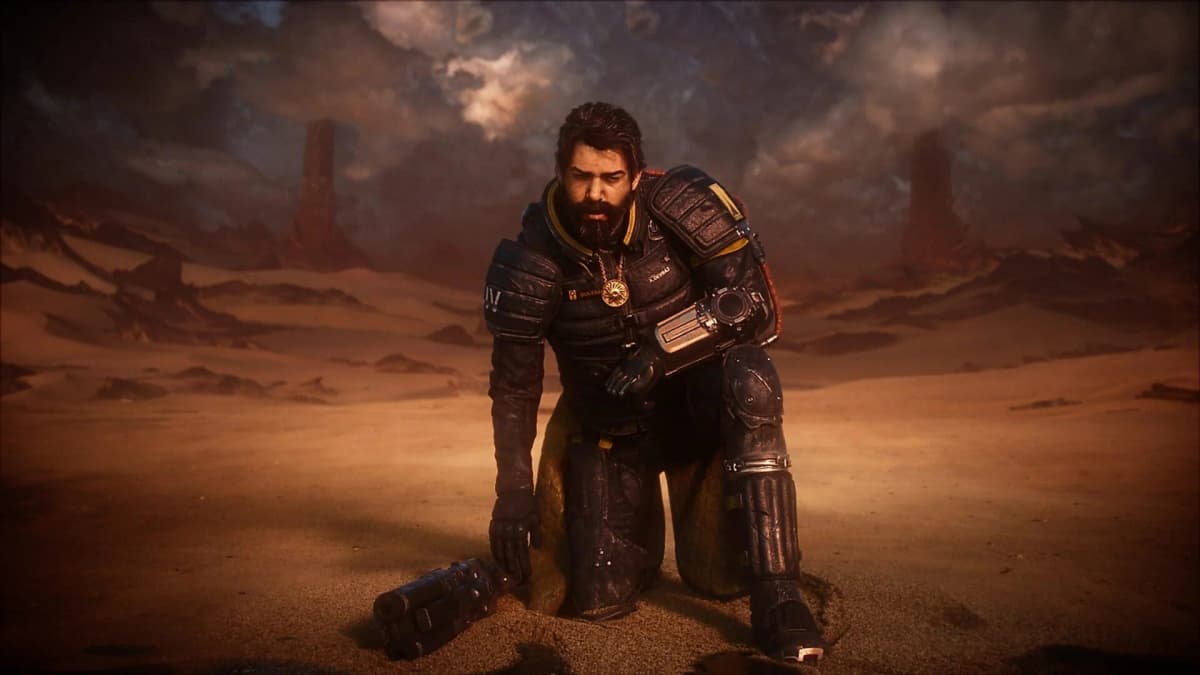
Phase 1: tentacles first, then reflected damage
In the first full damage phase, the tentacles are the real priority. They combine slam attacks, push pressure, and corrupted red bullet patterns that create the fight’s first serious overlap. Sideways dodges are the answer to the push. Red bullets should be parried back whenever you can manage it, because reflected shots damage the tentacles and can also punish Shepherd. This is one of those encounters where defense actively becomes offense, and the faster you trust that loop, the faster the phase settles down.
Phase 2: side slams, tighter space, heavier bullet pressure
The second escalation usually feels worse because Shepherd starts compressing the arena more aggressively. Two tentacles can slam along your sides, then the boss closes space while red bullet barrages intensify. If you only react backward, you get crowded into the worst part of the arena. Move with intention instead: avoid the opening side pressure, then take the straight path you are given to re-center or push damage safely. If parry timing is comfortable, this is the phase where aggressive reflections do a lot of work. If the pattern gets too dense, a jump is often safer than forcing a late dodge chain.
Phase 3: simplify the chaos instead of trying to win the whole screen
The final phase combines earlier mechanics into the fight’s messiest version: tentacles, red bullets from multiple angles, and very little emotional room to recover if you start guessing. The safest way through is to reduce your priorities to a short list. First, parry the red bullets you can clearly read. Second, remove the nearest tentacle threat. Third, reposition so the next attack comes from in front of you instead of from both sides. Trying to maximize every damage window is what usually breaks runs here. A sustained weapon like the Ripsaw Chakra helps because you can keep pressure on while spending more attention on survival.
Common mistakes that turn good runs into failed ones
- Rushing drone sections: if a gap looks awkward, there is a good chance you have not activated the route correctly yet.
- Treating lasers as decoration: Haven’s traps are part of the encounter design, not background noise.
- Tapping the Ripsaw Chakra like a normal firearm: sustained output is the point of the weapon.
- Dodging backward in the boss fight by default: sideways movement and jumps solve several Shepherd patterns more cleanly.
- Ignoring off-screen cues: tentacles punish tunnel vision harder than almost anything else in this biome.
FinalBoss // Gear
Level up your setup
01Best-selling PS5 gameson Amazon→02DualSense controllerson Amazon→03PS5 SSD upgrades (M.2 NVMe)on Amazon→04Discounted game keyson Kinguin→
Affiliate links · As an Amazon Associate, FinalBoss earns from qualifying purchases.
Want to Level Up Your Gaming?
Get access to exclusive strategies, hidden tips, and pro-level insights that we don't share publicly.
Ultimate Guide Strategy Guide + Weekly Pro Tips