
Housemarque does not give Saros a chapter-select screen or a visible mission ladder, so it is easy to lose track of where you are and whether you are near the ending. Here is the clean answer: Saros is built around five story sections, and the first set of credits is not the finish line.
Table of Contents (23)
The short version
- Saros runs across five sections: Prologue → Act 1 → Act 2 → Act 3 → Epilogue.
- The Epilogue is a real post-credits progression layer, not a bonus cutscene. It leads to the alternate, true ending.
- The world spans eight named biomes plus The Passage, which acts as the hub.
- The game tracks completion by act: trophy data references Act 1, Act 2, Act 3, and the Epilogue directly.
- The true ending requires completing every Epilogue requirement, then defeating the King (the “Let Go” trophy). Do not stop at the first credits.
Track your progress by acts, boss clears, biome unlocks, and hub changes — not by numbered missions. If you want the full picture of where each path leads, the all-endings guide breaks down every outcome.
Saros structure at a glance
- Prologue – the tutorial and opening setup that teaches the rules and frames the central conflict.
- Act 1 – the first major stretch, where the hub, biome loop, and progression walls start to make sense.
- Act 2 – the midpoint, where difficulty and narrative stakes both climb.
- Act 3 – the close of the main story route, after which the first credits roll.
- Epilogue – the post-credits section that holds additional story content and the path to the true ending.
Saros is a connected world rather than a menu of chapters. Instead of picking “Chapter 4,” you move through story beats, hub changes, new routes, and boss victories across eight named biomes, with The Passage serving as the central hub.
Why the structure is hard to read
The confusion is pure presentation. Many action games announce your position with a chapter card or act tracker. Saros does not stop to tell you when you cross from one act into the next, so you read your progress through state changes instead of a menu.
- Boss clears are the clearest marker of major story advancement.
- Hub shifts in The Passage signal a new act or objective.
- Unlocked routes and biomes tell you more than any missing chapter screen.
- Credits are a transition point in Saros, not the end.
What each section is doing
Prologue
The Prologue is the orientation layer. It teaches you how Saros wants to be played and sets the tone. Do not overthink it — its job is to ramp you into the real campaign, and most players will not mistake it for a full act.
Act 1
Act 1 is where the structure reveals itself. This is where the hub, the biome loop, and the first progression walls click into place. It is the phase where you stop learning controls and start learning how to route runs and prioritize upgrades.
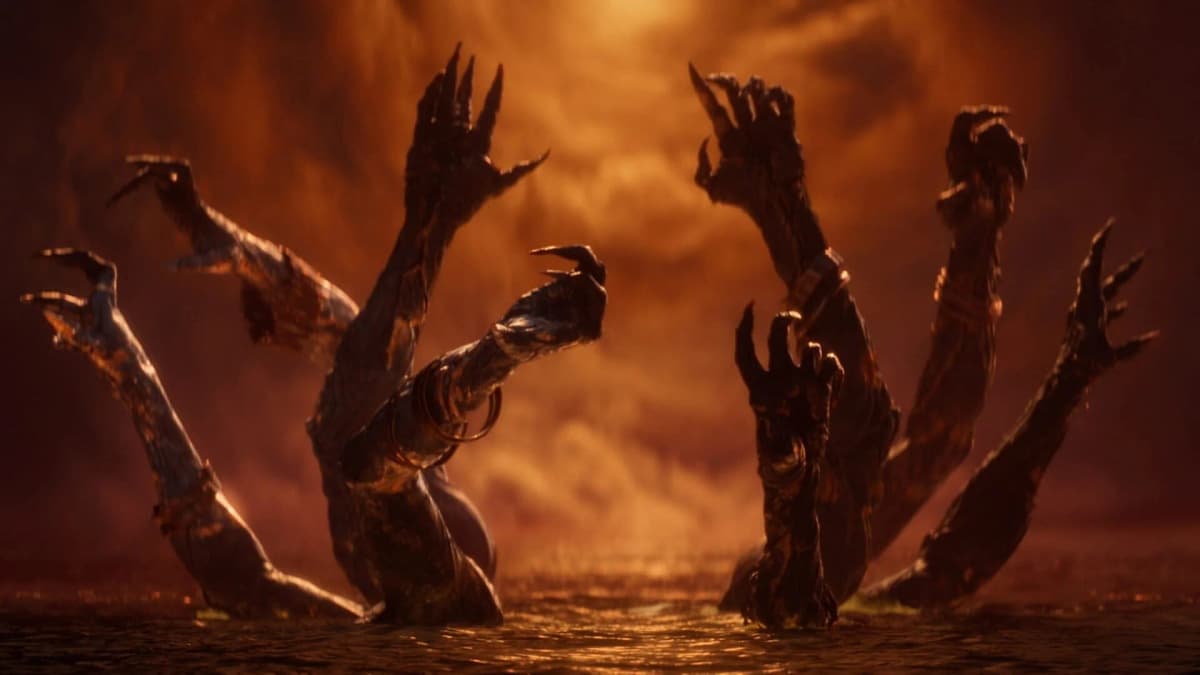
It is also where the lack of classic chapter labels becomes obvious. You are advancing through flow, not a mission list.
Act 2
Act 2 is the midpoint escalation: sharper pressure, more narrative context, and a real need to pay attention to build quality, survivability, and resource discipline. If Act 1 establishes the grammar of the game, Act 2 tests whether you understand it.
This is also where players start asking whether to clean up logs, upgrades, and trophies. Start tracking them now, but do not panic — completion stays open after the credits and into the Epilogue, so you have time. For permanent power that carries across runs, the permanent upgrades guide shows what is worth chasing first.
Act 3
Act 3 closes the main story path. If your goal is simply to see the core campaign, this is the section you are driving toward — and the first credits roll at its end. If you come from games where credits mean the save is done, that assumption will mislead you here. Act 3 ends the main route, not the game’s most complete narrative route.
Epilogue
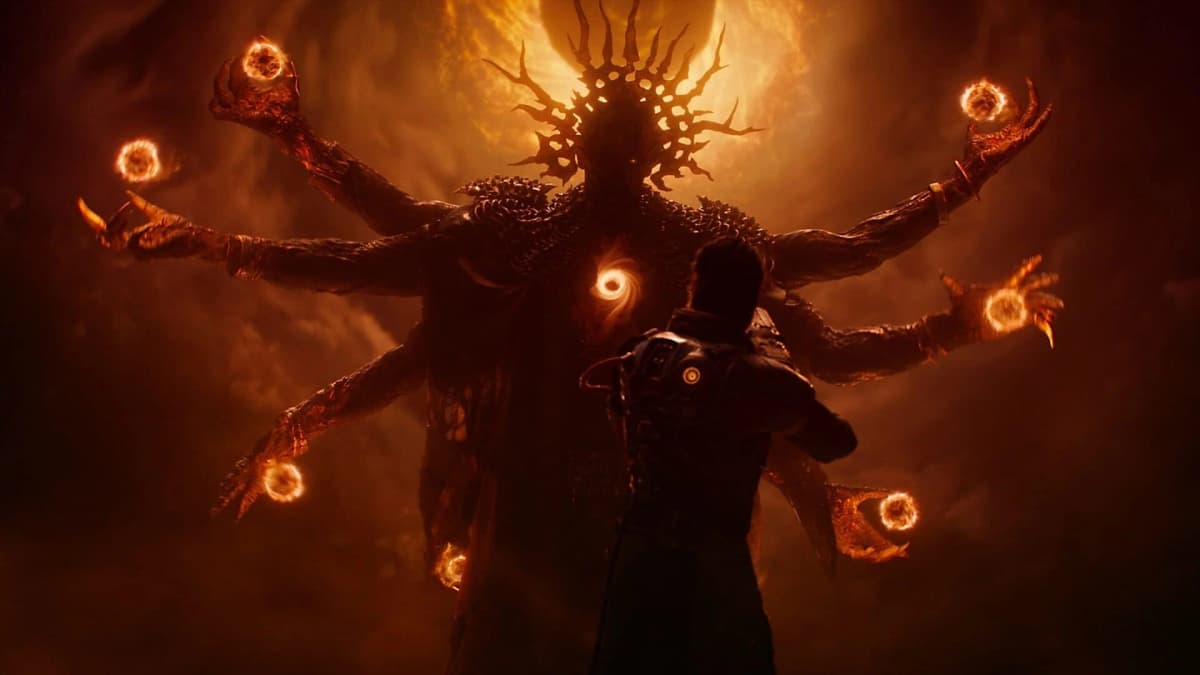
The Epilogue is the part you should not skip. It is a genuine post-credits progression layer with additional story content, and it is the path to the alternate, true ending. Treat it as the real endgame, not a victory lap.
What to do when the first credits roll
When credits hit after Act 3, do not shelve the file. Continue the same save and treat the post-credits state as a new checkpoint: revisit the hub, inspect newly available objectives, and start thinking about ending conditions.
- Continue your existing save rather than starting over.
- Check the hub state in The Passage for new dialogue, interactions, or altered objectives.
- Review missed collectibles such as logs and upgrades — completion stays open.
- Expect specific conditions for the fullest ending path.
How long the structure takes
Plan your time around the full structure, not just the main route. Published estimates put the story alone at roughly 20–25 hours, the story plus the secret/true ending (Epilogue) at about 22–27 hours, and full 100% completion at roughly 30–45 hours. The Epilogue is not enormous, but the completion tail is longer than a single story clear suggests.
How the true ending works
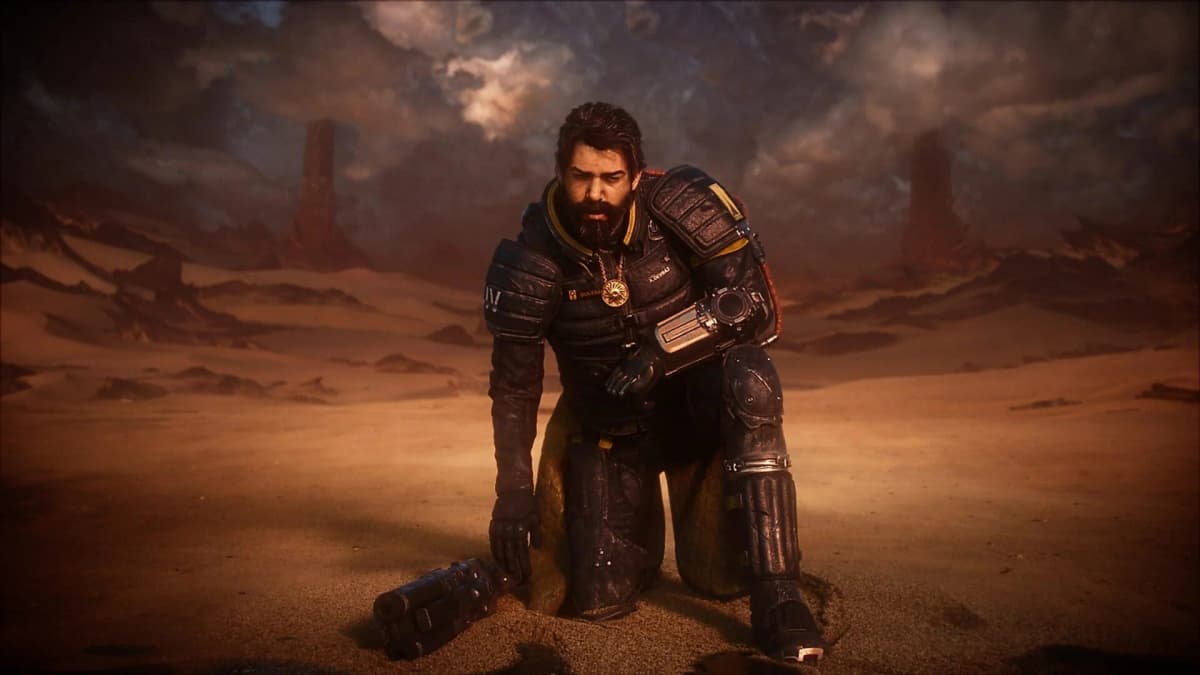
The true ending is not a different button at the same screen — it is gated. You must complete every Epilogue requirement and then defeat the King; doing so awards the “Let Go” trophy and the alternate ending. That is the documented route, so do not rush the Epilogue or assume a basic final-boss clear is the full payoff.
If you are chasing every outcome, the walkthrough hub maps each biome, boss, and progression gate in order.
How the hub, collectibles, and trophies fit in
The Passage is your reading tool. Because Saros has no chapter menu, the hub is where major changes after a boss or a credits sequence become legible. The structure supports post-story cleanup: logs, upgrades, and trophies remain after the Epilogue, and the act model is not fan shorthand — trophy data references Act 1, Act 2, Act 3, and the Epilogue directly.
- Collectibles: logs and lore items still matter after the main credits.
- Upgrades: a story clear does not mean full character or system completion.
- Trophies: milestones are act-based and Epilogue-based.
- Ending routes: full narrative completion asks for more than a basic final-boss clear.
Common progression mistakes to avoid
- Waiting for a chapter-select screen that never comes. Your real markers are acts, bosses, hub changes, and credits.
- Stopping at the first credits. The Epilogue follows — this is the biggest trap.
- Ignoring the hub after major milestones. The Passage is where progression becomes readable.
- Treating the Epilogue like optional fluff. It holds the true-ending content.
- Rushing the Epilogue and the King fight. The true ending needs every Epilogue requirement met before the kill.
Practical takeaway
Read Saros as a five-part campaign: Prologue → Act 1 → Act 2 → Act 3 → Epilogue. Use acts, boss clears, biome unlocks, and hub changes to track where you are. The first credits end the main story route, not the game — the true ending lives in the Epilogue and requires completing its conditions and beating the King for the “Let Go” trophy. Plan for 30–45 hours if you want everything, and do not put the controller down when the credits start.
FinalBoss // Gear
Level up your setup
01Best-selling PS5 gameson Amazon→02DualSense controllerson Amazon→03PS5 SSD upgrades (M.2 NVMe)on Amazon→04Discounted game keyson Kinguin→
Affiliate links · As an Amazon Associate, FinalBoss earns from qualifying purchases.
Want to Level Up Your Gaming?
Get access to exclusive strategies, hidden tips, and pro-level insights that we don't share publicly.
Ultimate Guide Strategy Guide + Weekly Pro Tips