
Saros isn’t just another flashy PS5 exclusive; it’s one of the first games openly designed to show what the PS5 Pro is actually for – and to test how much you really care about 60 FPS over “true” 4K.
Table of Contents (8)
Key takeaways
- Housemarque is building Saros as a 60 FPS-first game on both PS5 and PS5 Pro, with dynamic resolution used to keep gameplay smooth.
- PS5 Pro gets Sony’s upgraded PSSR 2 upscaler and a higher base render resolution, aiming for an image “close to native 4K” without actually being native 4K.
- Both consoles drop to 30 FPS for cinematics – a deliberate trade so the game can push more visual flair in cutscenes.
- Tempest 3D Audio, DualSense haptics and adaptive triggers, and faster SSD-driven loads are being used like a proper next-gen feature set, not just checkbox fodder.
This is Housemarque betting the Pro on 60 FPS, not 8K fantasies
Housemarque has a reputation now: Returnal made its name on tight controls, aggressive bullet-hell design, and performance that mostly held together while the screen tried to kill you. With Saros, the studio is doubling down on that identity instead of chasing photo-mode buzzwords.
Both the standard PS5 and PS5 Pro versions of Saros target 60 FPS during gameplay. The difference is how much resolution each machine can afford before it has to start cutting pixels to hold that frame-rate.
Technical director Seppo Halonen spells it out: PS5 Pro runs Saros at a higher base render resolution, which then feeds into Sony’s new PSSR 2 upscaler. The result, especially in calmer exploration areas like the region called Carcosa, is a “clearer higher resolution image at 60 FPS” that they claim is hard to distinguish from native 4K.
The base PS5 doesn’t get left behind, but it works harder. It still chases 60 FPS with dynamic resolution – scaling image quality up and down depending on how chaotic the combat gets. You’ll get the same game, same systems, but Pro owners are buying cleaner edges and less visual shimmer when the screen fills up with particles.
That’s the real story here: this is one of the first big exclusives to treat PS5 Pro as a way to lock in performance and stability for a demanding game, not as an excuse to bolt on a 30 FPS “quality” mode and call it a day.
PSSR 2 is doing the heavy lifting – and that’s intentional
Sony’s PlayStation Spectral Super Resolution (PSSR) is the mid-gen play that nobody outside tech circles is hyping, but every graphics engineer cares about. PSSR 2 is the newer version rolled out with PS5 Pro, and Saros is one of the first big games openly built around it.
If you’ve followed the coverage of other PS5 Pro titles, you’ve already seen why this matters. In Capcom’s Pragmata, for example, Digital Foundry found PS5 Pro running a relatively low internal resolution but reconstructing to a far cleaner image than base PS5 using FSR1. PSSR 2 is Sony’s way of owning that reconstruction space – their answer to DLSS-style “fake it smartly” 4K.
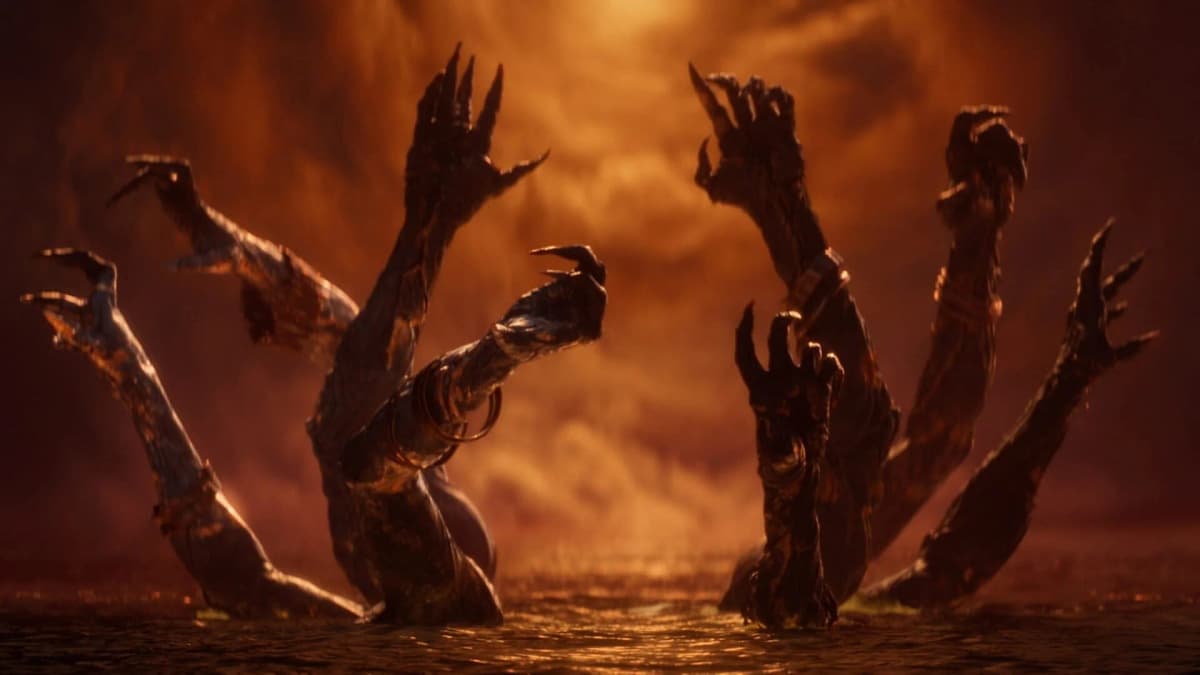
Housemarque is leaning into that. On PS5 Pro, Saros renders at a higher resolution than the base console, then lets PSSR 2 reconstruct up toward 4K. In exploration scenes, where the camera moves slower and pixel stability matters more, that should translate into a sharp, stable image. In fights, dynamic resolution kicks in and the internal resolution dips, but PSSR 2 is there to hide the worst of the scaling.
Is it actually “barely distinguishable” from native 4K, as the studio suggests? That’s the marketing line we’ll only really judge once pixel counters and comparison videos get their hands on it. But the direction is clear: Sony doesn’t want developers burning PS5 Pro’s extra power on brute-forcing resolution. They want them to feed PSSR better-quality frames and let the hardware and upscaler earn their keep.
The uncomfortable bit – the one PR would rather you glaze over – is that this also locks in the future. If PSSR 2 becomes the default, native 4K 60 FPS on big-budget action games is effectively dead as a target. Saros is one more data point in that shift.
60 FPS gameplay, 30 FPS cutscenes: the trade-off in plain sight
Here’s the line that raised eyebrows: Saros runs its cinematics at 30 FPS on both PS5 and PS5 Pro.
In 2026, that sounds retrograde – especially for a game that’s being sold as a PS5 Pro showcase. But it’s also the most honest admission in Housemarque’s breakdown. They’re effectively saying: we’re going to spend our performance budget where it matters for a bullet-hell shooter – in your hands, not in the cutscenes.
Locking cinematics to 30 FPS gives the art team more headroom for effects, depth of field, and heavy post-processing without worrying about combat-driven responsiveness. For gameplay, they strip that overhead back and aim for consistency at 60. It’s a divide we’ve seen before, but studios usually bury the detail instead of putting it in the feature list.
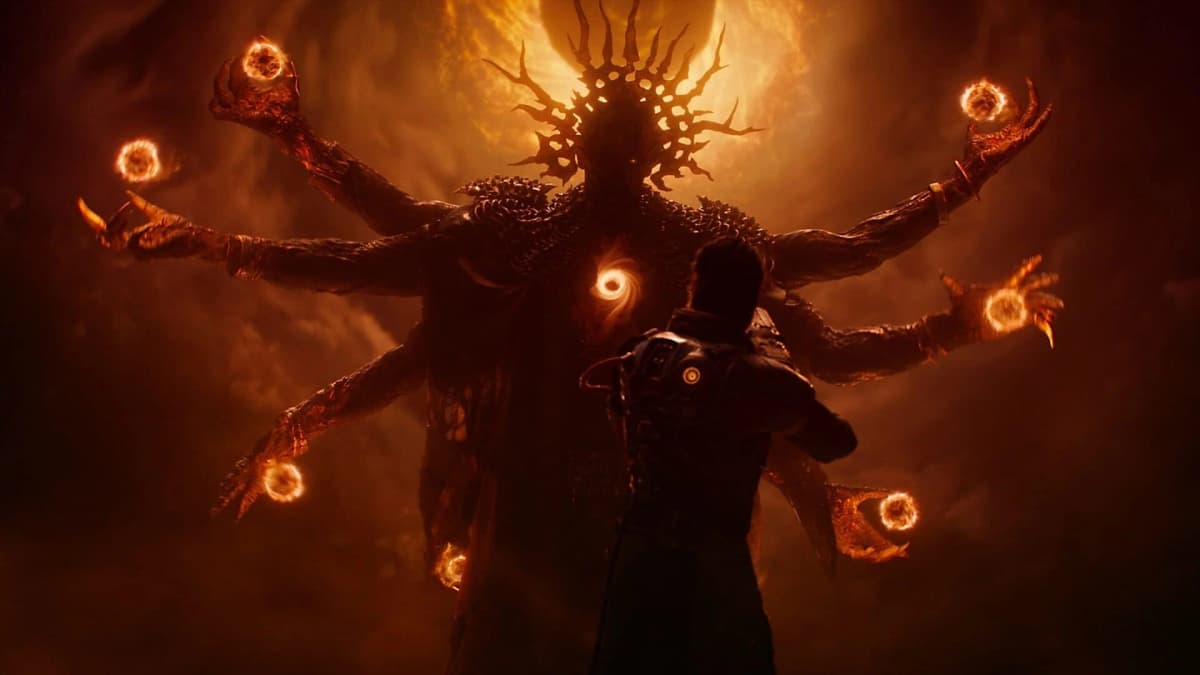
Will you notice? Going from 60 FPS gameplay to 30 FPS cutscenes is always a bit jarring, but in fast-paced action games players tend to forgive it when the controls feel instant and readable. The real test will be whether combat frame pacing holds up when the screen is full of bullets – the Returnal flashbacks are a reminder that Housemarque doesn’t ship simple scenes.
If I had one question for the Saros PR team, it would be this: did you ever seriously consider a 40 FPS or unlocked cutscene mode on PS5 Pro for VRR displays, or was the visual bump just too tempting? Their answer would tell us how hard Sony is pushing studios to use Pro for “wow” moments versus consistency.
DualSense and 3D audio: the quiet flex that might sell the fantasy
Visuals will get the headlines, but if you remember how much Returnal leaned on audio and haptics, you know where Housemarque secretly lives. Saros is again built around Sony’s special sauce: Tempest 3D Audio and the DualSense.
On the audio side, Saros uses Tempest 3D to place threats around you – not just “left/right,” but above, behind, and somewhere inside the chaos. For a third-person bullet-hell, that’s not fluff; it’s situational awareness. Being able to hear where a projectile or enemy is coming from can matter as much as what’s on screen when things get dense.
On the controller side, Housemarque is promising extended use of adaptive triggers and more granular haptics. Expect different weapons to have distinct trigger resistance and feedback patterns, and environmental rumble tuned beyond “big boom = big buzz.” Returnal’s alternate fire on a half-pull/ full-pull trigger split was one of the smartest uses of the pad early in the generation. If Saros evolves that idea instead of just repeating it, the DualSense could again feel like part of the design, not just a rumble pack with an ego.
The Ultra-High-Speed SSD support is the least sexy bullet point but maybe the most welcome: near-instant loads, rapid respawns, and a fast-resume flow that doesn’t punish dying. In a roguelike-style structure, that can mean the difference between “one more run” and turning the console off.
What this says about Sony’s PS5 Pro strategy
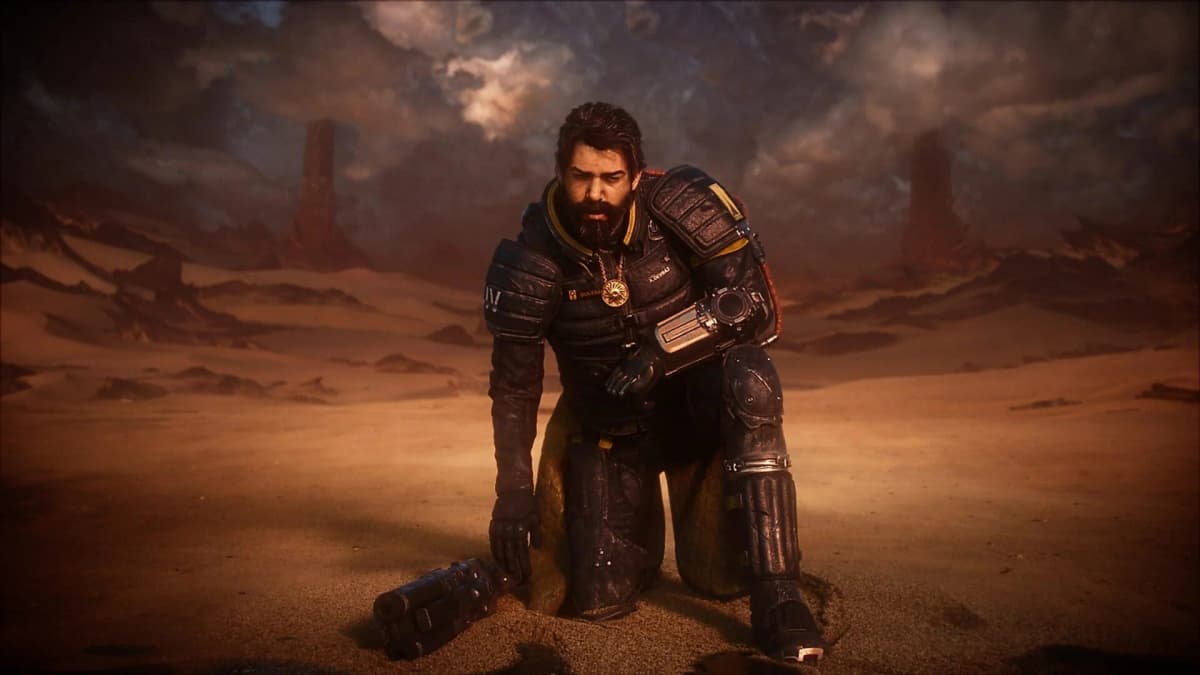
Saros hits PS5 and PS5 Pro on April 30, with a Digital Deluxe edition buying you 48 hours of early access. The game’s gone gold, the tech breakdowns are public, and the aim is obvious: make Saros one of the cleanest showcases of what a Pro upgrade is realistically going to deliver this generation.
Look at the pattern: higher internal resolution on Pro, PSSR 2 reconstruction to near-4K, 60 FPS gameplay as a baseline, 30 FPS cutscenes, and platform features like 3D audio and DualSense used as force multipliers. That is a template. You’re going to see it again and again from Sony’s first-party and close partners.
For base PS5 owners, the subtext is reassuring: you’re not getting a chopped-down version of Saros. You’re getting the same design, the same 60 FPS target, just with a softer image and more aggressive resolution scaling when the action spikes. Pro owners are paying for comfort – for cleaner visuals and a bit more headroom – not for exclusive mechanics.
For Sony, that’s the fine line they have to walk. Pro needs to feel like a real upgrade without turning the 2020 PS5 into a “last-gen” box overnight. If Saros lands the way Housemarque is pitching it – stable 60, sharp reconstruction, meaningful use of the controller and audio tech – it becomes an easy game for Sony to point at in every Pro marketing reel.
If it doesn’t — if frame-rate wobbles under heavy bullet-hell sequences or PSSR 2 smears fast motion into soup — players will notice fast. This audience lived through the checkerboard 4K era; they know what compromised image quality looks like.
What to watch next
- Launch performance analysis (late April / early May): Digital Foundry-style breakdowns will confirm whether PS5 Pro really holds a cleaner 60 FPS and how close PSSR 2 gets to the “near-native 4K” claim.
- Comparisons between PS5 and PS5 Pro: Side-by-side footage will show how often base PS5 has to drop resolution in intense fights, and whether the difference feels like “nice to have” or “hard to go back.”
- Player response to 30 FPS cutscenes: Watch for whether the community shrugs it off as a sensible trade, or whether that frame-rate split becomes a sticking point for Pro marketing.
- Future Sony titles copying the template: If upcoming first-party games hit the same beats — PSSR 2, 60 FPS gameplay, 30 FPS cinematics — Saros will look less like an outlier and more like the new normal.
TL;DR
Saros launches on April 30 as a PS5 and PS5 Pro exclusive built around 60 FPS gameplay, higher base resolution on Pro, and Sony’s PSSR 2 upscaling. It’s one of the first games to treat PS5 Pro as a way to guarantee smoother performance and sharper reconstruction, not just chase native 4K marketing numbers. The one thing to keep an eye on is whether that promise of “near-4K at 60” actually holds up under full bullet-hell chaos when the game finally lands.
FinalBoss // Gear
Level up your setup
01Best-selling PS5 gameson Amazon→02DualSense controllerson Amazon→03PS5 SSD upgrades (M.2 NVMe)on Amazon→04Discounted game keyson Kinguin→
Affiliate links · As an Amazon Associate, FinalBoss earns from qualifying purchases.
Want to Level Up Your Gaming?
Get access to exclusive strategies, hidden tips, and pro-level insights that we don't share publicly.
Ultimate Gaming Strategy Guide + Weekly Pro Tips