

It sounds like a plot twist from Black Mirror: livestock farmers in Oregon are now using Scarlett Johansson’s Oscar-nominated screaming match from “Marriage Story” to scare off wolves. Drones patrol grazing fields, blasting Johansson and Adam Driver’s heated argument instead of the usual fireworks or gunshots—and it’s actually working.
Wolves are no strangers to noise-based deterrents. The U.S. Department of Agriculture (USDA) has long experimented with everything from firecracker bursts to recorded gunfire. But researchers quickly learned that clever canines adapted—and began ignoring predictable sounds. To preserve the element of surprise, a creative team decided to tap into the emotional intensity of human performances.
Enter “Marriage Story”—specifically, the most explosive dialogue between Scarlett Johansson and Adam Driver. When drones began emitting that raw, high-decibel confrontation, ranchers noticed wolves hesitated. According to reports from Oregon’s Klamath Basin, 11 cattle were lost to wolves over a 20-day window before the screaming audio began. After 85 days of drone patrols, that number fell to just two.
Livestock producers have long faced significant financial pressure when wolves target cattle or sheep. Electric fencing, guard dogs, and traditional hazing have had mixed success—and each method carries costs and logistical challenges. Introducing a familiar cultural asset like movie audio sidesteps expensive hardware upgrades and leverages media libraries farms may already possess. Still, it’s not a silver bullet, and success depends on consistent drone flight patterns, speaker quality, and weather conditions.
At first glance, a human argument may seem less threatening than gunshots. But the unpredictable rhythms, emotional peaks, and dynamic volume of a genuine human brawl hit a primal alert in predators—something canned explosive sounds lack. This is similar to techniques used in game audio to keep players on edge with varying tones and unexpected events.
Acoustic research shows that wolves differentiate between tonal patterns more than sheer volume. Human voices, especially ones heated with emotion, vary rapidly in frequency and amplitude in ways that can confuse and deter predators. This unpredictability mimics natural disturbances—a sudden shout or a loud argument in camp—triggering flight responses more effectively than mechanical noises that quickly become background hum.
Streaming services, game engines, and film soundtracks have already found their way into alarm systems, virtual reality therapy, and even museum exhibits. But repurposing a Netflix argument for predator control pushes that boundary further. It raises both excitement and eye-rolls: is this a savvy blend of art and science or a bizarre sign of how entwined our entertainment is with the real world?
Beyond agriculture, sound design is critical in fields like wildlife conservation and urban planning. For example, municipal authorities use audio playback of distress calls to study bird migration, while wildlife parks trial immersive soundscapes to calm stressed animals. Game developers often create layered sounds that react to player actions, and now we’re seeing those same principles applied outside of a digital screen.
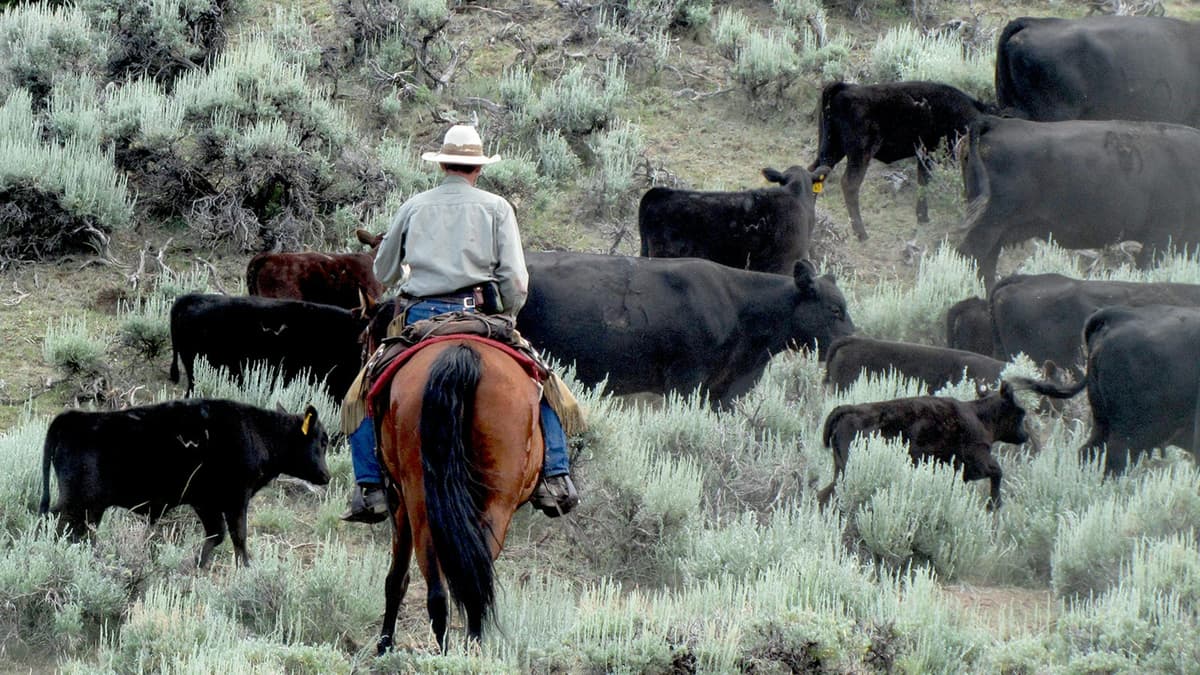
As long as wolves remain wary of movie arguments, Johansson’s Oscar-nominated performance holds value beyond Hollywood. But questions linger: will predators eventually adapt to dramatic dialogue, too? And what other film or game audio gems might become tomorrow’s tools in agricultural defense?
There are caveats to consider. Continuous use of high-decibel audio may risk noise pollution concerns for nearby communities, and the long-term psychological impact on wildlife remains unstudied. Researchers caution that what works today may lose effectiveness as animals adapt, requiring new clips or entirely different strategies.
What started as a creative experiment might evolve into a standardized tool in the USDA’s predator management toolkit. If nothing else, this story underscores the unexpected ways pop culture and technology intersect—where a cinematic meltdown not only wins awards but also helps keep livestock safe. In a world saturated with media, perhaps the next breakthrough in conservation is already hiding on our streaming queues.
Get access to exclusive strategies, hidden tips, and pro-level insights that we don't share publicly.
Ultimate Gaming Strategy Guide + Weekly Pro Tips