
When one of Xbox’s creators says the console is being “sunsetted,” he isn’t making a rhetorical flourish – he’s naming a pattern he sees in Microsoft’s new leadership choices. The departures of Phil Spencer and Sarah Bond and the installation of Asha Sharma, a known AI executive, don’t just change titles. They reshape incentives inside Redmond in a way that could deprioritize the traditional console business – even if Microsoft’s public statements insist otherwise.
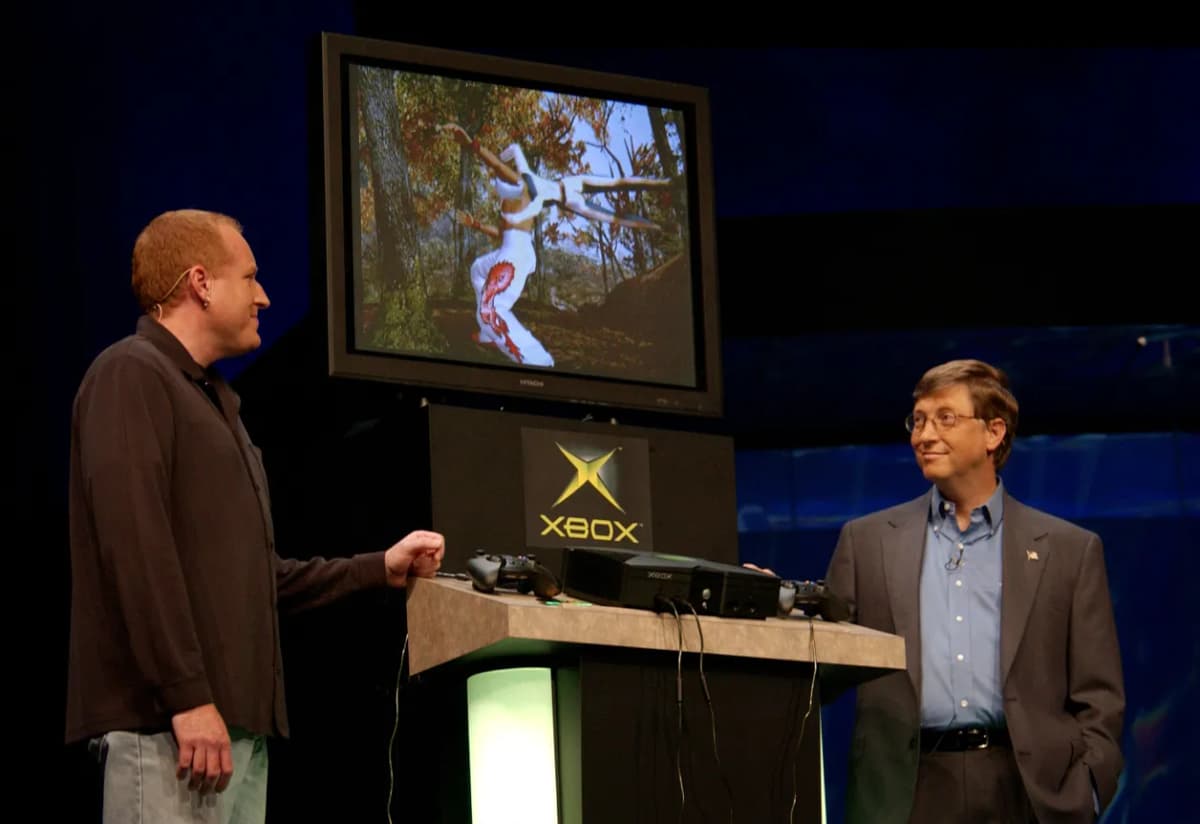
- Seamus Blackley, co-creator of the original Xbox, told GamesBeat he believes Xbox is being “sunsetted” after recent leadership changes.
- Asha Sharma – hired from Microsoft’s CoreAI org and now Microsoft Gaming CEO — frames AI as an augment, promising “no tolerance for bad AI,” but her background changes the unit’s center of gravity.
- Microsoft’s public messaging promises continued console support and big game releases, but the real signals to watch are budgets, hardware R&D hiring, and which teams own roadmaps.
- Across the industry, some publishers are moving the opposite way — hiring veteran game execs to double down on content — underscoring Microsoft’s move as a deliberate strategic pivot rather than an isolated personnel shuffle.
Table of Contents (6)
Why Blackley’s alarm resonated
Seamus Blackley’s argument is blunt: Satya Nadella’s Microsoft is built around enabling AI broadly, and anything that doesn’t fit that mission risks being repurposed or deprioritized. Blackley told GamesBeat he expects Sharma’s job to be “a palliative care doctor who slides Xbox gently into the night.” That’s inflammatory, but it’s shorthand for a real structural tension. When leadership comes from an AI platform background, the default instincts — the metrics, priorities, and hiring choices — tilt toward platform primitives, data, services, and automation rather than auteur-driven game development and hardware bets.
Asha Sharma’s public case — and why it’s not the same as practice
Sharma has publicly tried to blunt worries. In interviews and an internal memo reported by GamesIndustry.biz she called herself “a platform builder,” insisted games are “human-crafted art,” and pledged “no tolerance for bad AI.” She explicitly said Xbox won’t “chase short-term efficiency or flood our ecosystem with soulless AI slop.” Those are reassuring soundbites, but they don’t change incentives almost overnight: reporting lines, who controls hiring, and which internal KPIs matter now.
Meanwhile Phil Spencer — the public face of Xbox for more than a decade — is stepping back after 38 years at Microsoft; GamesIndustry.biz and JeuxVideo report he’ll remain an advisor during the transition. Sarah Bond also called it “the right time” to move on and will advise during the handover. Those departures remove experienced, vocal defenders of console-first thinking at the executive table.
Industry context: Microsoft’s move isn’t inevitable — it’s a choice
Other big companies are choosing different routes. Case in point: Nexon named Patrick Söderlund — an industry veteran with deep studio credentials — as executive chairman to steer creative strategy (Game Developer). That is the opposite signal: double down on game leadership to drive growth. Microsoft’s shuffle sends the opposite message: instead of bringing more game-first veterans into the center, it has elevated an AI executive to lead gaming. That difference matters more than talking points.
The uncomfortable observation Microsoft doesn’t want to admit
Public commitments to “continue supporting consoles” and promises of upcoming titles are easy to make and hard to disprove in the near term — Microsoft still has a slate of AAA releases and has signaled a next-gen console in the future. The uncomfortable truth is that hardware and first-party studios are long-lead investments. If internal priorities shift toward platform AI services, those long-lead investments can quietly be starved or refocused without a dramatic PR-facing cancellation.
What to watch next — specific signals that will tell the real story
- Budget moves in Microsoft’s financials and internal reorgs: cuts or shifting of R&D dollars away from hardware and first-party studios into AI initiatives.
- Hiring and reporting changes: whether hardware and Xbox Game Studios leadership report into groups centered on AI, or if Matt Booty and studio heads retain autonomous control (Booty was promoted to chief content officer during the shuffle).
- Concrete product signals: cancellation or delay of any acknowledged next-gen hardware, or explicit re-scopes that swap game teams for AI tooling teams.
- Messaging at upcoming public events and investor briefings: whether Microsoft frames gaming as a content-first business or as an AI-enabled platform feature set.
- How quickly Sharma and her team deploy AI features versus funding new, risky hardware bets — cadence matters more than promises.
Spencer and Bond’s advisory roles through the transition buy Xbox time. That matters. But the real test will be where Microsoft actually spends money and talent over the next 12-24 months.
TL;DR
Seamus Blackley’s warning that Xbox is being “sunsetted” is more than nostalgia — it’s a reading of incentives. Microsoft has promised continuity, and Asha Sharma promises “no bad AI,” but elevating an AI platform leader to run gaming while Spencer and Bond exit is a real shift. Watch hiring, budgets, hardware development, and how much control game studios retain — those are the signals that will prove whether Xbox remains a hardware-first gaming pillar or becomes another platform play inside Microsoft’s AI-first strategy.
FinalBoss // Gear
Level up your setup
01Best-selling Xbox Series X|S gameson Amazon→02Xbox controllerson Amazon→03Top-rated gaming headsetson Amazon→04Discounted game keyson Kinguin→Affiliate links · As an Amazon Associate, FinalBoss earns from qualifying purchases.
Want to Level Up Your Gaming?
Get access to exclusive strategies, hidden tips, and pro-level insights that we don't share publicly.
Ultimate Gaming Strategy Guide + Weekly Pro Tips