
Table of Contents (7)
Xbox’s leadership scramble just got a louder question: is Microsoft phasing consoles out?
Phil Spencer’s sudden exit and Sarah Bond’s departure weren’t just headline shocks – they arrived alongside the appointment of Asha Sharma, a CoreAI veteran who joined Microsoft in 2024. That combination has one of Xbox’s originators, Seamus Blackley, publicly suggesting what a lot of players are whispering: Microsoft’s AI-first strategy could be steering Xbox toward a managed decline rather than a fresh era of console competition.
- Key takeaway: Seamus Blackley, co‑creator of the original Xbox, told GamesBeat (via IGN) he believes Xbox is being “sunsetted” as Microsoft places AI at the center of its strategy.
- Management reality: Asha Sharma pledges “no tolerance for bad AI” and a renewed console commitment (GamesIndustry.biz), but her resume is platform and AI heavy, not hardware or studio‑first.
- Why it matters: This is a leadership reset that aligns Xbox’s public messaging with Microsoft’s broader AI push under Satya Nadella – and that alignment changes incentives for hardware, exclusive games, and studio autonomy.
What the statements say – and what the hires reveal
Microsoft’s official line is calm continuity. Asha Sharma tells Variety and internal audiences she wants “the right to be trusted by players and developers,” promises not to “chase short‑term efficiency or flood our ecosystem with soulless AI slop,” and explicitly names console as part of Xbox’s future (GamesIndustry.biz). Sarah Bond frames her exit as the “right time” and will advise during transition; Matt Booty is promoted to chief content officer to steady studio output.
Those words matter. They’re written for nervous developers and an audience that remembers the Xbox One launch and other corporate stumbles. But hires tell a different, subtler story: bringing in an AI platform executive to run a gaming division signals priorities. Blackley’s blunt interpretation — that someone with an AI remit will shepherd non‑AI businesses into the company’s broader AI ecosystem, even if that means shrinking or repurposing them — isn’t flattering, but it maps cleanly onto how large tech firms reallocate capital.
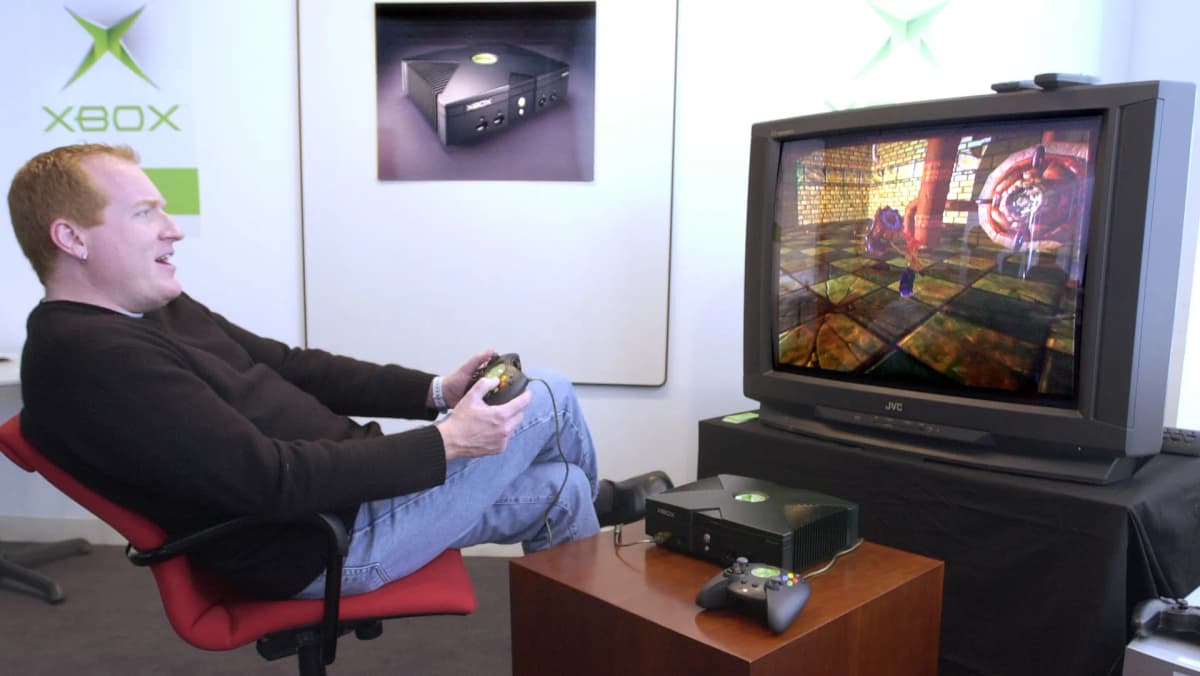
The uncomfortable observation nobody in the PR photos will say
Seamus Blackley is not a neutral commentator — he helped build the original Xbox — and he’s been outspoken in the past. He also left Microsoft in 2002, so he’s not sitting in the executive room. Still, his claim that Satya Nadella views AI as “subsume everything” matches Microsoft’s public pivot and the company’s pattern of moving general product leadership toward platform and AI talent.
So here’s the inconvenient detail: when a platform company prioritizes AI, hardware becomes a lever, not a mission. Dollars flow to cloud, models, SDKs, and integrations that expand Microsoft’s AI moat. That can be perfectly reasonable from a corporate capital‑allocation standpoint — but it looks a lot like managed decline to anyone betting on decade‑long hardware roadmaps and studio‑funded exclusives.

The question I’d put to PR if I had fifteen minutes with Nadella
“Can you commit to multi‑year capital and R&D budgets for Xbox hardware and first‑party studios that are separate from AI platform investments — and if so, how much?” That’s the specific, uncomfortable ask Sharma’s words don’t answer. Promises about “not chasing short‑term efficiency” sound good until you see where the spreadsheets put next year’s dollars.
Where the coverage agrees and where it diverges
All outlets reporting this round of changes — GamesIndustry.biz, IGN (via GamesBeat), and European press like JeuxVideo — agree on the timeline: Spencer steps back, Bond exits, Sharma steps in, and Matt Booty takes more content responsibility. They also agree Microsoft is leaning into AI publicly. The disagreement is interpretive: Sharma’s pledges are read as credible by some (GamesIndustry.biz), while Blackley and others read the hires as an indicator that Xbox’s console‑first era is deprioritized (IGN/GamesBeat).
What to watch next — concrete signals, not PR blurbs
- Does Microsoft publish a hardware roadmap or commit to a next‑gen console? If not, that’s a red flag.
- Watch capital allocation in Microsoft’s next quarterly report: gaming R&D and CapEx line items versus AI/cloud spend.
- Studio level: new greenlights, cancellations, or creative leadership changes under Matt Booty will reveal whether first‑party output is being insulated.
- Satya Nadella’s public statements and the language in investor calls: look for “platform,” “AI,” and quantitative investment commitments to gaming.
If you want a single thing to signal whether Xbox is being wound down: look for a multi‑quarter pattern of delayed or canceled console hardware and shrinking first‑party budgets. One press release won’t do it; a string of budgetary choices will.
TL;DR
Phil Spencer and Sarah Bond’s exits plus Asha Sharma’s arrival have reignited a debate: is Microsoft pivoting Xbox toward an AI‑led platform role or quietly sunsetting it? Sharma promises console commitment and “no bad AI,” but Seamus Blackley’s warning — that this looks like managed decline — tracks with how large tech reprioritizes capital. Watch hardware roadmaps, studio budgets, and Microsoft’s investor disclosures for the real answer.
FinalBoss // Gear
Level up your setup
01Best-selling Xbox Series X|S gameson Amazon→02Xbox controllerson Amazon→03Top-rated gaming headsetson Amazon→04Discounted game keyson Kinguin→Affiliate links · As an Amazon Associate, FinalBoss earns from qualifying purchases.
Want to Level Up Your Gaming?
Get access to exclusive strategies, hidden tips, and pro-level insights that we don't share publicly.
Ultimate Gaming Strategy Guide + Weekly Pro Tips