
Twelve years is a long time to leave one of the best horror games in the genre sitting in cryosleep. So yes, the big news is that Sega and Creative Assembly finally teased Alien: Isolation 2 on Alien Day. The more important news is that the studio didn’t come back with action-movie swagger or nostalgia bait. It came back with a phrase: False Sense of Security. That’s a tiny teaser, but it’s the right one. It suggests the sequel still understands what made Alien: Isolation hit so hard in 2014: not the Xenomorph itself, but the dread of thinking you were safe five seconds before the game proved you weren’t.
Table of Contents (6)
Key takeaways
- The teaser is short, but the tone is doing real work: Creative Assembly is signaling psychological tension first, not blockbuster spectacle.
- The “Rating Pending” tag and official channel upload make this more than vague Alien Day fan service. This is a formal sequel rollout, just at the earliest possible stage.
- The most interesting reported detail is the hinted setting shift away from a pure station setting, which could either expand the formula smartly or dilute the original’s claustrophobia.
- The missing pieces matter more than the teaser itself: no gameplay, no release window, no platforms, and no explanation of how Creative Assembly plans to modernize the AI-driven horror loop.
This teaser works because it remembers what the first game was actually selling
Most studios would have blown this out with a shriek, a tail-through-the-chest shot, and a release-year stinger designed to farm social clips for 48 hours. Instead, the teaser is just 25 seconds of mood, branding, and menace. That restraint matters.
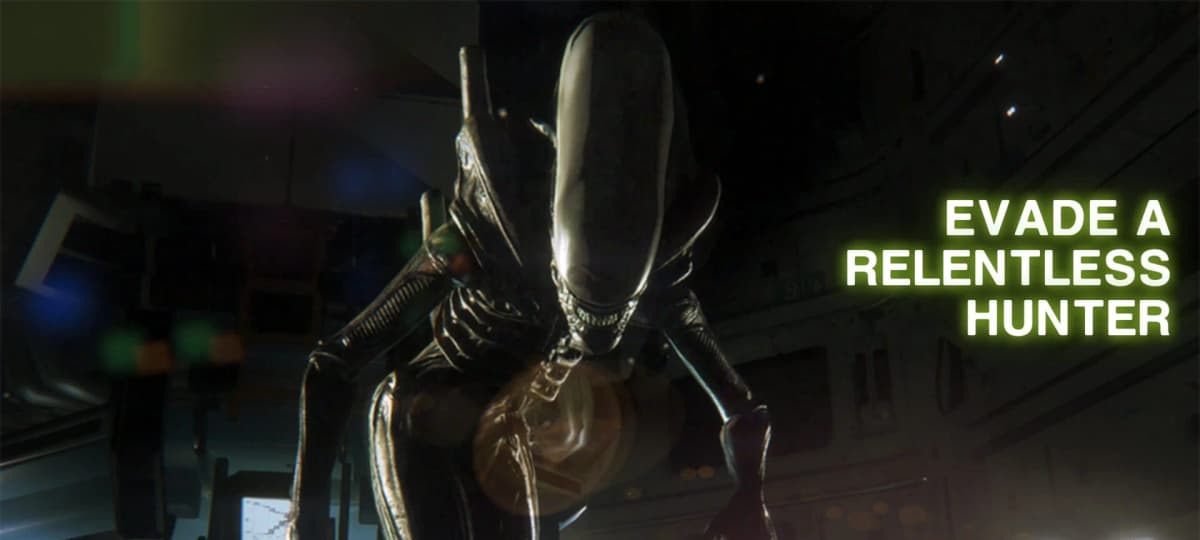
The original Alien: Isolation became a cult favorite because it understood a lesson a lot of licensed games miss: Alien is not fundamentally about firepower. It’s about vulnerability, systems breaking down, and a monster that turns routine spaces into death traps. “False Sense of Security” is practically a mission statement for that design philosophy. The phrase was defined in the teaser’s framing as feeling safer than you really are, which is basically the emotional engine of the first game distilled into five words.
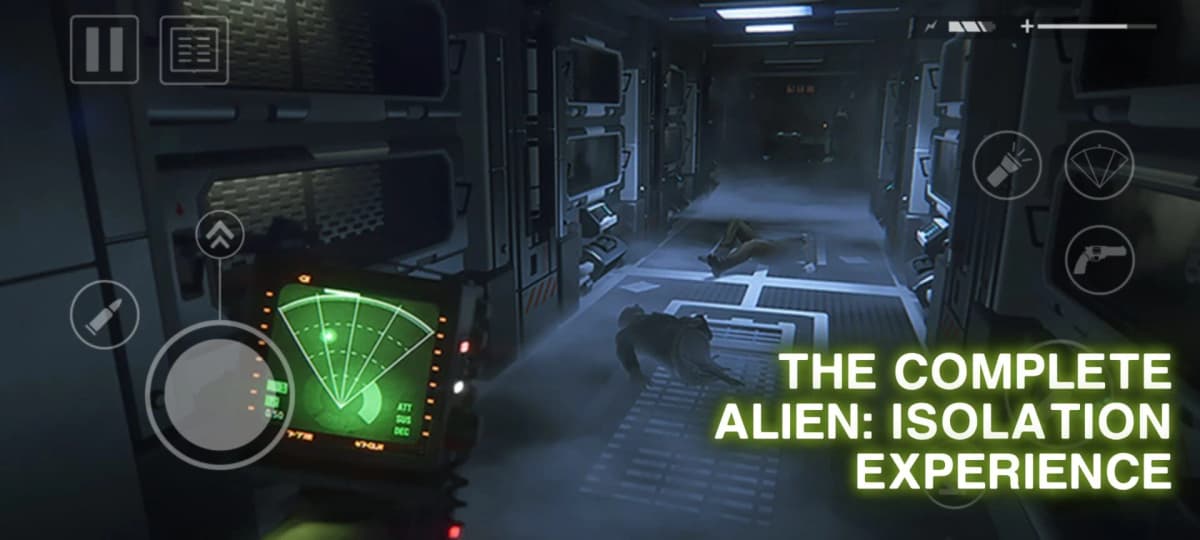
That’s why this caught my attention. Not because a sequel exists – after years of speculation, that part was becoming inevitable – but because the first signal out of the gate says the team knows exactly what brand equity they’re working with. Horror fans do not want Alien: Isolation 2 to become a louder, more expensive version of every other cinematic survival game. They want that awful feeling of saving at the emergency phone and knowing it probably won’t matter.
The uncomfortable question: can Creative Assembly still make this game in 2026?
This is the part the PR copy won’t volunteer. A lot has changed since 2014, and not all of it inspires confidence. Creative Assembly is still a respected studio, but its history since Alien: Isolation has been more complicated than fans like to remember. The studio has spent years associated more heavily with Total War, went through a very public stumble with Hyenas, and now has to prove it can return to survival horror without the sequel feeling like a brand resurrection exercise.
If I were in the room with Sega’s PR team, the question I’d ask is simple: who is leading the design vision, and how much of the original game’s tension model survives intact? Because that’s the entire ballgame. You can rebuild retro-futurist hallways and CRT terminals all day. If the enemy behavior, player vulnerability, and pacing don’t create the same sustained panic, you’re just selling set dressing to people with good memories.
There’s also a genre problem here. Survival horror is in a very different place now than it was when the first game launched. Back then, Alien: Isolation felt refreshingly stubborn: slower, crueler, less interested in empowerment. In 2026, horror is crowded again. That can help the sequel – audiences are primed for the genre — but it also means there’s less novelty to hide behind. The sequel has to be exceptional on systems, not just atmosphere.
The setting tease could be smart, or it could break the spell
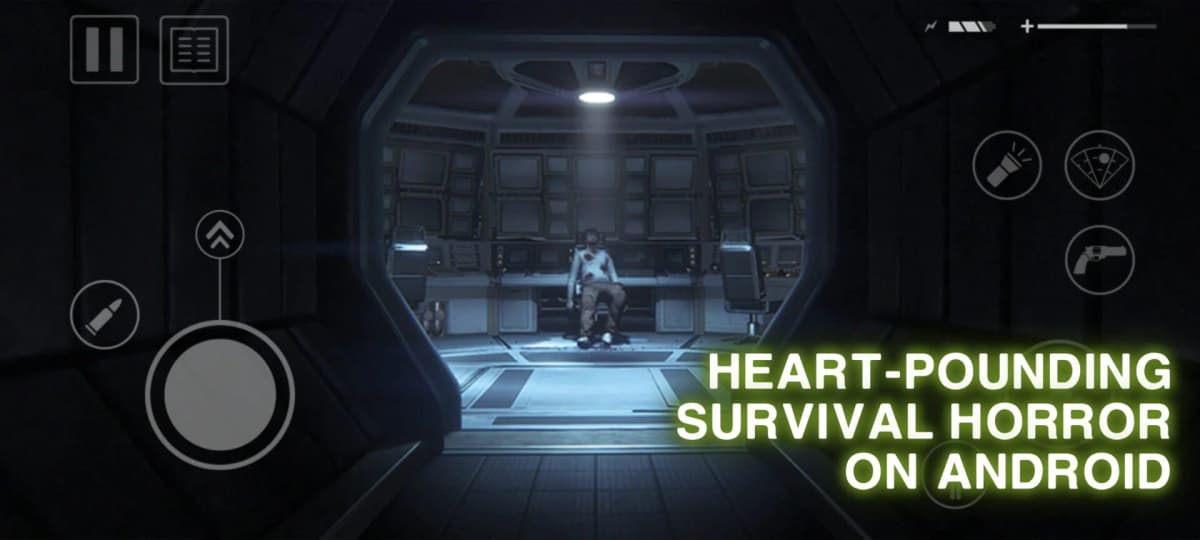
Background reporting around the teaser suggests a dark, rain-soaked colony environment rather than another purely station-bound setting. If that’s where this is going, it’s potentially the sequel’s biggest opportunity and biggest risk in the same breath.
The opportunity is obvious. A colony opens up new environmental storytelling, weather effects, sightline manipulation, and the chance to make the Alien feel even more unpredictable in partially open, semi-inhabited spaces. Done right, that could push the formula forward instead of just remaking Sevastopol Station with fresh wallpaper.
The risk is just as obvious. Alien: Isolation worked because it trapped you in tight systems that made every movement feel compromised. Open that design up too far and you lose the suffocating logic that made hiding under a desk feel like a major strategic decision. “Bigger” is one of the most common ways sequels quietly get worse while marketing insists they’re more ambitious.
That’s the mechanism of skepticism here. Not “we’ve seen this before” in the abstract. Specifically this: horror sequels often respond to acclaim by expanding scope, and expanded scope often sands down the very constraints that created the fear in the first place.
What to watch next
- A full reveal trailer. That needs to show actual gameplay, not just another mood piece. One unbroken sequence of stalking, hiding, and system interaction would tell us more than any cinematic cut.
- Platform announcements. The “Rating Pending” badge suggests formal rollout machinery is moving, but platform strategy will reveal whether Sega sees this as prestige horror or broad commercial tentpole.
- A release window. If Sega keeps this vague for too long, that usually means the teaser was timed for Alien Day first and production certainty second.
- Most importantly, how the studio talks about AI. The original game’s adaptive-feeling Alien behavior was the hook. If the sequel’s marketing starts leaning harder on story, scale, or visuals than on encounter design, I’d get nervous fast.
TL;DR
Sega and Creative Assembly used Alien Day to finally tease Alien: Isolation 2 with a short video titled False Sense of Security. What matters is that the teaser points back to the original game’s real strength — vulnerability and dread — rather than trying to reinvent the sequel as a louder action-horror spectacle. The next thing that matters is gameplay, because if Creative Assembly can’t prove the fear systems still work, the title alone won’t save it.
FinalBoss // Gear
Level up your setup
01Top-rated gaming headsetson Amazon→02High-refresh gaming monitorson Amazon→03Gaming chairson Amazon→04Discounted game keyson Kinguin→Affiliate links · As an Amazon Associate, FinalBoss earns from qualifying purchases.
Want to Level Up Your Gaming?
Get access to exclusive strategies, hidden tips, and pro-level insights that we don't share publicly.
Ultimate Editor's Pick Strategy Guide + Weekly Pro Tips