
As a long-time Sonic fan, I’ve watched rumors and hopeful whispers about a Sonic Adventure remake gain traction every time Sega teases nostalgia. But when Sonic Team boss Takashi Iizuka bluntly said “not at this time,” he wasn’t hiding behind corporate jargon. The decision not to revive the Dreamcast classic goes deeper than a simple “maybe later” promise—and it could shape Sonic’s next chapter in surprising ways.
Table of Contents (7)
The Dreamcast Classic and Fan Expectations
Sonic Adventure, originally released on Dreamcast (and later ported to GameCube), holds a special place in many gamers’ hearts. It was Sonic’s bold leap into 3D, complete with sprawling environments, multiple playable characters, and even a Chao garden. For those who grew up chasing chaos emeralds and marveling at unlocked content, the idea of seeing this game in high-definition—and perhaps with smoother controls—has become a rallying cry among fans.
Online petitions, forum threads, and social media campaigns have all demanded a faithful remake. For many, it isn’t just about nostalgia; it’s about preserving a landmark experience for new audiences. “Imagine rolling through Speed Highway in glorious 4K,” goes a common refrain. Yet for every fan clamor, there’s another gamer asking, “Why remake when you can innovate?” The divide between longing for the past and craving fresh adventures has never been more pronounced.
The Reality of a True Remake
When Iizuka talked about the work involved, he didn’t mince words. A proper Sonic Adventure remake would require rebuilding the game from the ground up—rewriting code, redesigning levels to meet today’s standards, re-recording voiceovers, and overhauling camera and control systems. In his view, this effort would rival creating an entirely new title.
Rather than tinker with aging assets, Sonic Team would need to treat the project like a net-new release. That means dedicating significant development resources, setting aside new IP concepts, and risking cost overruns. “It would take just as long to polish the old game as it would to build the next Sonic,” Iizuka summarized. In an era where studios juggle tight budgets and high fan expectations, such a gamble is rarely taken lightly.
Balancing Nostalgia and Innovation
On one side, nostalgic fans argue that remakes can rejuvenate classic franchises, expose them to younger players, and generate easy buzz. On the other, proponents of original content warn that overreliance on past glories can stifle creativity and leave core series feeling stale.
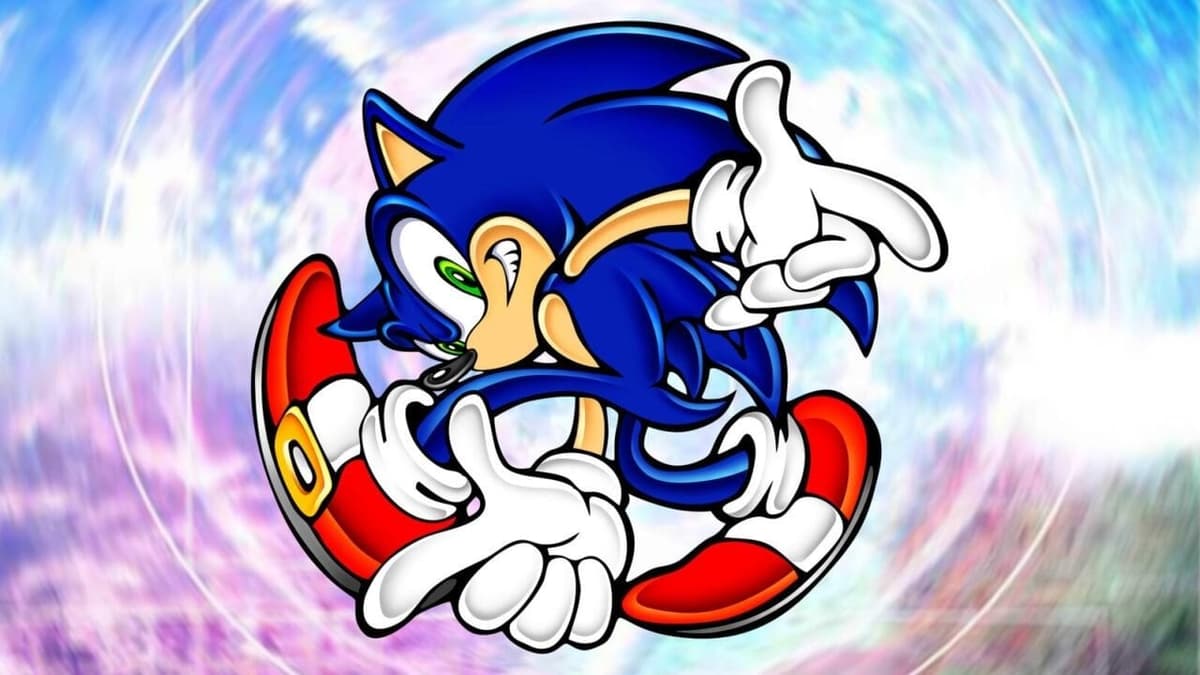
Supporters of fresh Sonic entries point to recent successes like Sonic Mania, a love letter built by passionate indie developers, and Sonic Frontiers, which shook up the formula with open-world elements. These projects show that when Sega commits to innovation—while still honoring Sonic’s essence—the results can be both critically and commercially rewarding.
Meanwhile, some fans counter that Sonic Mania and similar throwbacks only scratch the surface of what a full-scale 3D remake could offer. They long for enhanced visuals, reworked level design, and modern multiplayer features. The passionate debate underscores how deeply Sonic Adventure still resonates, even more than two decades later.
Industry Lessons: Hits and Misses in the Remake Market
The wider gaming industry offers cautionary tales for any studio considering a large-scale remake. On one hand, Capcom’s Resident Evil 2 remake is often held up as a gold standard—rebuilding beloved horror from scratch, updating gameplay, and refining narrative pacing. On the other, there are titles that struggled to justify their budgets or please diehard fans, resulting in lukewarm receptions and underwhelming sales.
When remakes deliver a near shot-for-shot copy with only minor enhancements, players accuse developers of cash grabs. But conversely, if changes stray too far from the original, fans can feel betrayed. Striking that balance demands time, money, and creative vision—three commodities that might be better invested in uncharted territory.
What Fans Are Saying
Across social media, reactions to the no-remake news have ranged from disappointment to cautious optimism. Many lament the lost opportunity to experience Sonic Adventure with today’s graphical fidelity. “I saved for Dreamcast just for this game,” one commenter recalled, echoing a common sentiment among retro enthusiasts.
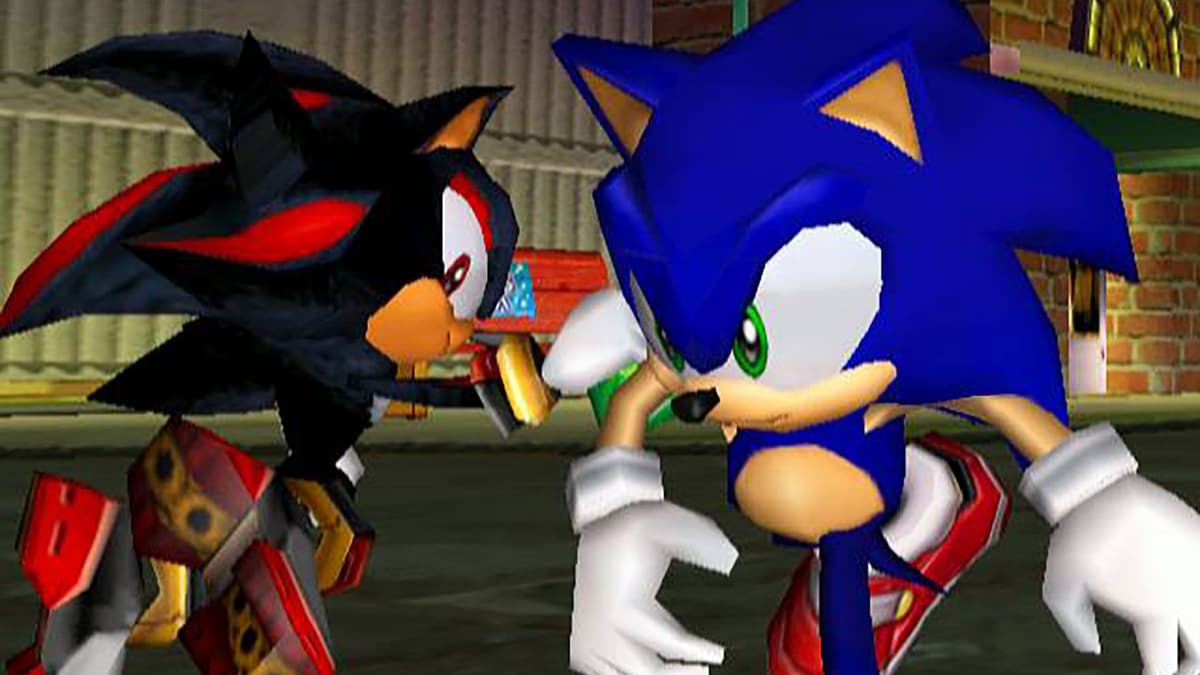
Yet others see merit in Sega’s approach. “If they’re not going to give it the full devotion it deserves, I’d rather they don’t do it at all,” tweeted another fan. There’s a surprising undercurrent of support for channeling those development hours into a new Sonic adventure—one that might repair the series’ reputation and push boundaries rather than simply treading old ground.
Looking Ahead: Sonic’s Next Moves
With the resources freed up from a potential remake, Sonic Team can allocate staffing and budget to upcoming projects. While Sega hasn’t announced a specific follow-up to Sonic Frontiers, industry insiders speculate that more experimental designs—like co-op modes or genre hybrids—could be on the horizon.
The company’s commitment to modernizing its engine and refining core gameplay systems bodes well for whatever comes next. If Sonic Team applies the lessons learned from refocusing on new content—iterative playtests, community feedback loops, and clear design goals—fans might just get the best of both worlds: tomorrow’s innovation with the heart of Saturday morning cartoons intact.
Conclusion: A Smart Bet on the Future
In short, Sega’s decision not to greenlight a Sonic Adventure remake isn’t a dismissal of the past, but a strategic choice for the series’ future. While it stings to see our Dreamcast memories stay locked in amber, it’s encouraging to know that Sonic Team is doubling down on original ideas. Whether that leads to a breakout hit or another experiment in need of refinement, the blue blur’s journey continues—this time with fresh trails to blaze, not just old levels to replay.
TL;DR: No Sonic Adventure remake is coming—at least for now. Sega is investing its energies in new Sonic experiences, banking on innovation over nostalgia. Fans may be disappointed today, but tomorrow’s blue blur could be worth the wait.
FinalBoss // Gear
Level up your setup
01Retro consoleson Amazon→028BitDo controllerson Amazon→03Capture cards (Elgato & more)on Amazon→04Discounted game keyson Kinguin→Affiliate links · As an Amazon Associate, FinalBoss earns from qualifying purchases.
Want to Level Up Your Gaming?
Get access to exclusive strategies, hidden tips, and pro-level insights that we don't share publicly.
Ultimate Gaming Strategy Guide + Weekly Pro Tips