
What caught my attention here is not that Slay the Spire 2 reportedly got hit by another Steam backlash after a big patch. Early Access games get hammered all the time. The part worth caring about is why this one stung: when a card roguelike lives or dies on player trust in the meta, a sweeping balance update can feel less like maintenance and more like someone quietly swapping out the floor under your build mid-run.
Several outlets, including IGN, 3DJuegos, and VidaExtra, have described a second wave of negative Steam reviews tied to update v0.103.2, with recent user sentiment dropping to “Mixed.” The exact scale varies by report: IGN cited at least 4,800 negative reviews in a day, while VidaExtra described a larger total wave above 17,000 negatives. That gap matters, and it is worth being careful with hard numbers. But the broader pattern is consistent across reports: major balance changes, art and UI tweaks, and another review-bombing flare-up just weeks into Early Access.
Table of Contents (7)
Key takeaways
- This is not just “players hate nerfs.” It is a trust problem between an Early Access community and a studio tuning a live competitive meta inside a single-player deckbuilder.
- The exact review totals are fuzzy across reports, but the direction is not: recent sentiment appears to have fallen hard after the patch.
- Mega Crit’s real challenge is not fixing one patch. It is proving the game will not become a moving target where favorite builds vanish every few weeks.
- Steam review bombing hits differently than Metacritic dogpiles because users usually need to own the game. That does not make every negative review fair, but it does make the backlash harder to dismiss as pure noise.
This is the downside of making a deckbuilder “live” in public
The first Slay the Spire earned its reputation the hard way: tight design, insane replayability, and a balance philosophy that mostly felt invisible unless you were deep in the weeds. That matters because the sequel is now in Early Access, where the weeds are the whole point. Players are not just consuming the game; they are stress-testing it, theorycrafting it, and building routines around what works.
So when Mega Crit pushes a patch that reportedly touches balance, enemy tuning, visuals, UI/UX, cards, and progression-adjacent features like badges or leaderboards, it is not received as one change. It lands as a bundle. That is usually where studios get into trouble. If players dislike three things at once, the entire patch gets blamed for all of it. A nerf feels worse when it arrives next to art changes people did not ask for and interface adjustments that slow them down by half a second on every decision. In a game about making hundreds of tiny decisions, half a second is an eternity.
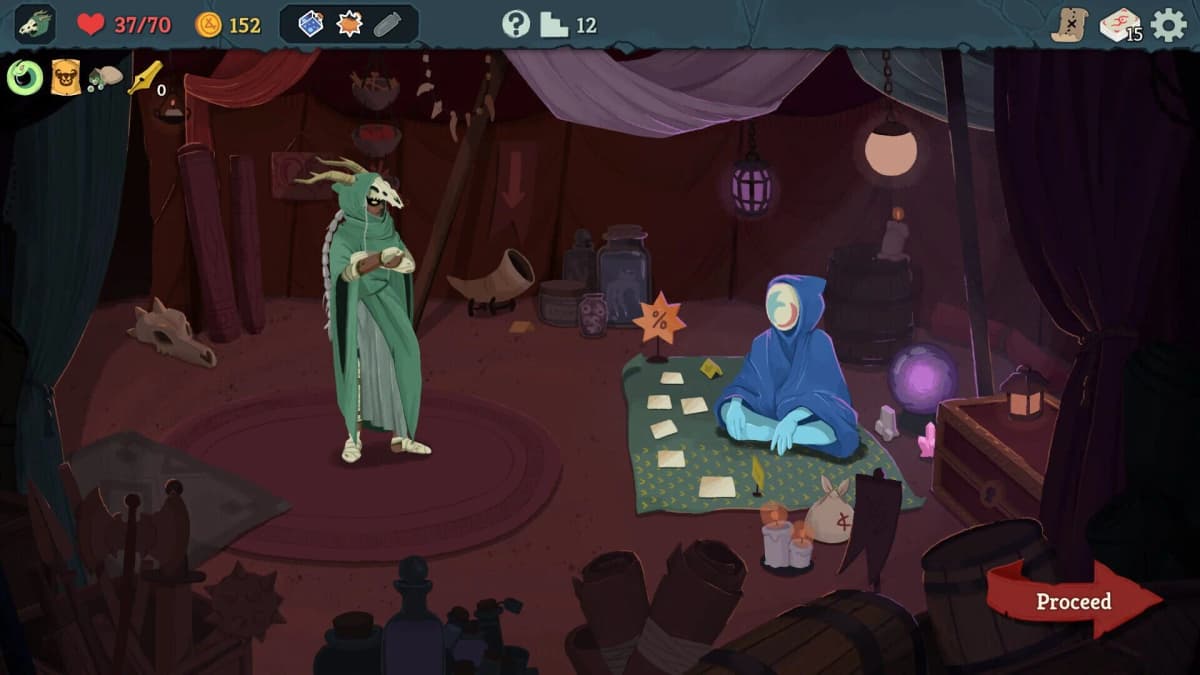
This is also where cynical industry memory kicks in. We have seen plenty of developers tell players to “trust the long-term vision” while repeatedly invalidating short-term fun. Sometimes they are right and the game ends up healthier. Sometimes they are sanding off the exact edges that made the game worth obsessing over. Right now, Mega Crit is being forced to prove it knows the difference.
The uncomfortable observation: review bombing is a symptom, not the whole disease
“Review bombing” can be a useful label, but it can also be a dodge. It implies irrationality first and criticism second. Steam complicates that. Unlike the old Metacritic pile-on model, Steam generally requires ownership and playtime, which means many of these negative reviews are coming from people who actually touched the patch and hated what it did. That does not mean every one-star verdict is thoughtful. It does mean the studio cannot just wave the problem away as bad-faith brigading.
The question I’d ask Mega Crit’s PR team is simple: how much of this was expected? Because if the patch was always going to provoke pain, then the issue becomes communication. Did the studio clearly explain what problems it was solving, what archetypes were being hit, and what metrics justified the changes? “We’re balancing for the health of the game” is the kind of sentence that sounds responsible and means almost nothing unless you show your work.

And if this really is the second major Steam backlash in under two months, as multiple reports suggest, then the bigger issue is not one controversial update. It is cadence. Players can adapt to hard balance passes. What they struggle with is instability. If the meta keeps being shaken hard before the dust settles, people stop learning the system and start waiting out the patch cycle. That is poison for a strategy game whose core pleasure is mastery.
Mega Crit’s response matters more than the ratings dip
According to Spanish coverage, Mega Crit’s answer has centered on optimization, improvements, and a roadmap for content and adjustments aimed at stabilizing the meta and cooling player frustration. That is the correct broad direction. It is also the bare minimum. Every studio says some version of this after a backlash. The difference is whether the follow-up is precise.
Here is what gamers actually need, not PR fog:
- A breakdown of which balance goals were met and which were not.
- A faster response loop on the most hated changes, especially if specific cards, characters, or enemy encounters are warping runs for the worse.
- Clear separation between experimental changes and foundational ones, so players know what is likely to stick.
- A public signal that “stabilizing the meta” is not code for flattening every strong synergy until all runs feel equally bland.
That last point is the one I’d watch hardest. Great roguelike deckbuilders are not balanced because everything is equally strong. They are balanced because broken-feeling moments exist inside a system that still demands skill. If the sequel starts chasing spreadsheet fairness at the expense of run-defining nonsense, then the backlash is not just mood. It is players spotting the genre’s oldest design trap in real time.
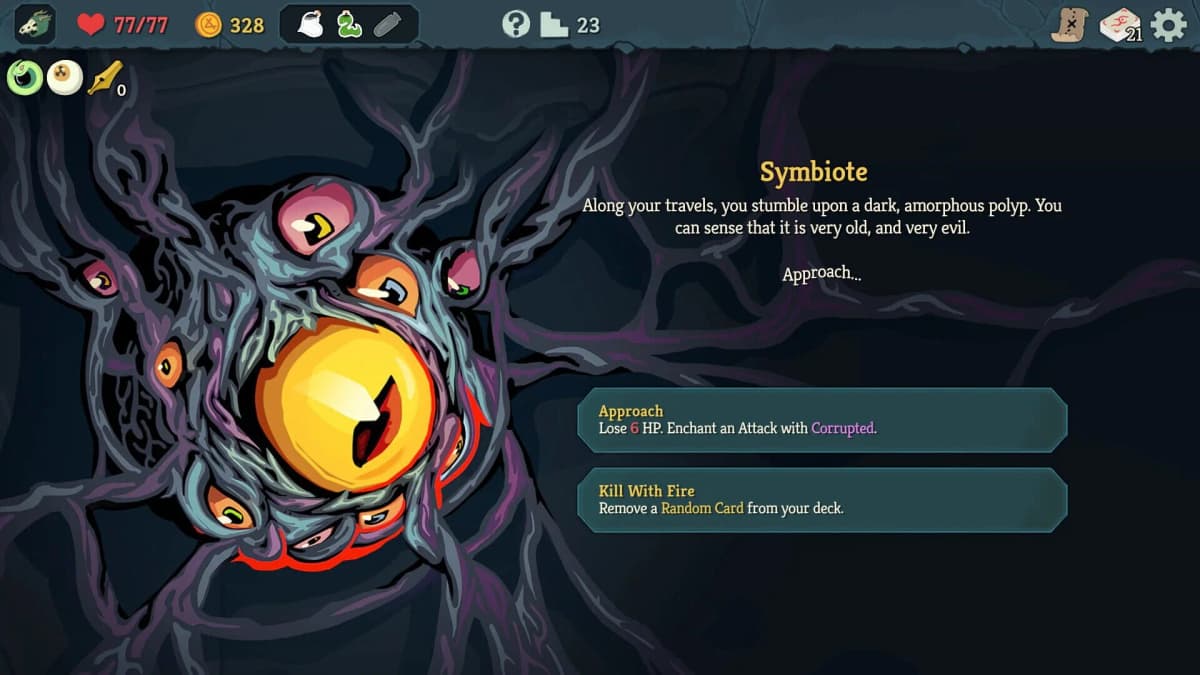
The ratings headline is ugly, but the player-count story is more important
One detail from the reporting deserves more attention than the red review graph: Slay the Spire 2 still appears to be pulling serious player interest. 3DJuegos referenced a massive debut and strong daily activity, even as sentiment slid. That split matters. A game can survive angry reviews if players keep showing up, because that means the core loop still has teeth. It is much harder to recover when reviews crater and the audience silently leaves.
So the real story is not “Steam users got mad again.” It is that one of 2026’s biggest indie launches may be discovering the cost of balancing in public at scale. The original game built enormous goodwill. That goodwill buys you time, not immunity. If players start feeling that every major patch rewrites what they signed up for, even a beloved studio can burn through trust faster than it expects.
What to watch next
- The next hotfix cadence. If Mega Crit reacts within days rather than weeks, that signals it understands this is a trust issue, not just a ratings issue.
- Steam recent-review recovery. A climb from “Mixed” back toward “Mostly Positive” would suggest the damage was patch-specific rather than structural.
- Patch-note tone. If future updates start explaining design intent in more detail, that is usually a sign the studio knows communication was part of the failure.
- Player retention after the next balance pass. One backlash can be weather. Two can be pattern. A third would be the alarm bell.
TL;DR
Multiple outlets report that Slay the Spire 2 has been hit by a second Steam review-bombing wave after a major Early Access patch, though the exact review totals differ by source. What matters is not just the ratings drop; it is the growing sense that Mega Crit is asking players to invest in a moving meta without fully explaining the cost. The next patch response will tell us whether this was a rough week or the start of a real Early Access trust problem.
FinalBoss // Gear
Level up your setup
01Graphics cardson Amazon→02Gaming laptopson Amazon→03High-refresh gaming monitorson Amazon→04Discounted game keyson Kinguin→Affiliate links · As an Amazon Associate, FinalBoss earns from qualifying purchases.
Want to Level Up Your Gaming?
Get access to exclusive strategies, hidden tips, and pro-level insights that we don't share publicly.
Ultimate Editor's Pick Strategy Guide + Weekly Pro Tips