
Sekiro: No Defeat Anime Revealed – Can FromSoftware’s Brutal Masterpiece Survive the Jump to Anime?
Game intel
Sekiro: Shadows Die Twice
Sekiro: Shadows Die Twice is an action-adventure game set in a reimagined late 1500s Sengoku-era Japan. Players control Wolf, a shinobi on a mission to rescue…
As someone who’s died-okay, a lot-in Sekiro: Shadows Die Twice, hearing that Kadokawa and Crunchyroll are adapting it into a full-blown anime, Sekiro: No Defeat, instantly got my guard up. Not because I doubt the artistry (this production lineup is stacked), but because FromSoftware’s ethos is all about precise, player-driven suffering and triumph. How do you translate that into a passive medium like anime, and does it even make sense for fans of punishing, hands-on gameplay?
Key Takeaways: What’s Actually Worth Noting
- The anime is completely hand-drawn-a rare, risky commitment in today’s CG-heavy industry.
- Crunchyroll bagged exclusive streaming rights outside East Asia and Russia—a sign they’re betting big on Sekiro’s global reach.
- The narrative will revisit (and likely reimagine) the game’s Sengoku-era story, with a cast of veteran seiyuu behind Wolf, Kuro, and Genichiro.
- Produced by a “dream team” with legit anime credentials, not just some license-dumping operation.
From Hard-Fought Boss Fights to Anime Drama—Does It Work?
This isn’t the first time a stoic videogame protagonist has leapt to anime, but with Sekiro, it’s kind of an oxymoron. FromSoftware’s strength lies in environmental storytelling, ambiguous lore, and that sinking feeling of tension as you approach another boss. So I immediately wondered—can an anime capture that essence without just looking like a highlight-reel of parries and dismemberments?
Kenichi Kutsuna (director) and Takuya Satou (series writer) have a decent track record with dense, atmospheric storytelling—so maybe they’ll sidestep the usual “adapt the big cutscenes, gloss over the struggle” trap. Takahiro Kishida’s character design resume also includes “Haikyuu!!” and “Baccano!”—a good sign that the characters won’t be flat, even when dialogue is sparse.
The Artistic Gambit: Hand-Drawn Animation in 2025
In an era where digitally-assisted or full 3D anime has become the norm, the promise of a fully hand-drawn Sekiro adaptation hits like a thrust-parry—risky and (hopefully) rewarding. “Hand-drawn” isn’t just nostalgia bait; it’s a statement. Sekiro’s own visual identity—every temple, corpse-riddled field, and grotesquely beautiful boss—was painterly and tactile. If the animation team nails this, we might get something as visually striking as Devilman Crybaby or the best of UFOtable’s Demon Slayer work. But let’s not gloss over the realities: hand-drawn action is expensive, and TV anime productions are notoriously overworked. Will it live up to the promise, or end up cutting corners when it matters most?
Want to Level Up Your Gaming?
Get access to exclusive strategies, hidden tips, and pro-level insights that we don't share publicly.
Ultimate Gaming Strategy Guide + Weekly Pro Tips
Why Now? The Industry Context Behind Sekiro’s Anime Push
Sekiro: Shadows Die Twice isn’t just a cult favorite—it’s exceeded 10 million global sales and become part of the FromSoftware pantheon (Elden Ring, anyone?). But compared to the endless Dark Souls memes and Bloodborne’s haunting lore, Sekiro always felt a bit like the refined, lonely sibling: brilliant, intimidating, less saturated by marketing crossovers or media spinoffs. That’s why this anime even happening is a big deal—it signals that the IP’s moment in the anime sun has come, and Crunchyroll wants it to be a prestige event, not just a shovelware cash grab.
I’m also reading this as part of the broader anime “prestige adaptation” trend—after Arcane, Edgerunners, and Castlevania, the bar is way higher. Gamers and anime fans want substance and artistry, not just a series that relies on name recognition. FromSoftware’s involvement is minimal, but Kadokawa (who knows a thing or two about adapting game and light novel IPs) has the resources and, lately, the ambition to shoot for something more than fan-pandering filler.
The Big Question: Who’s the Anime For?
This could go two ways. If you’re a diehard Sekiro fan, you’re watching for authenticity: will Wolf’s journey actually reflect the soul-crushing, precision-driven madness of the game, or will it be a sanitized “samurai power fantasy” with a body count but none of the existential dread? For anime newcomers, it’s all about whether the adaptation can stand alone—can the story hit emotionally, or do you need 200 deaths’ worth of controller muscle memory to care?
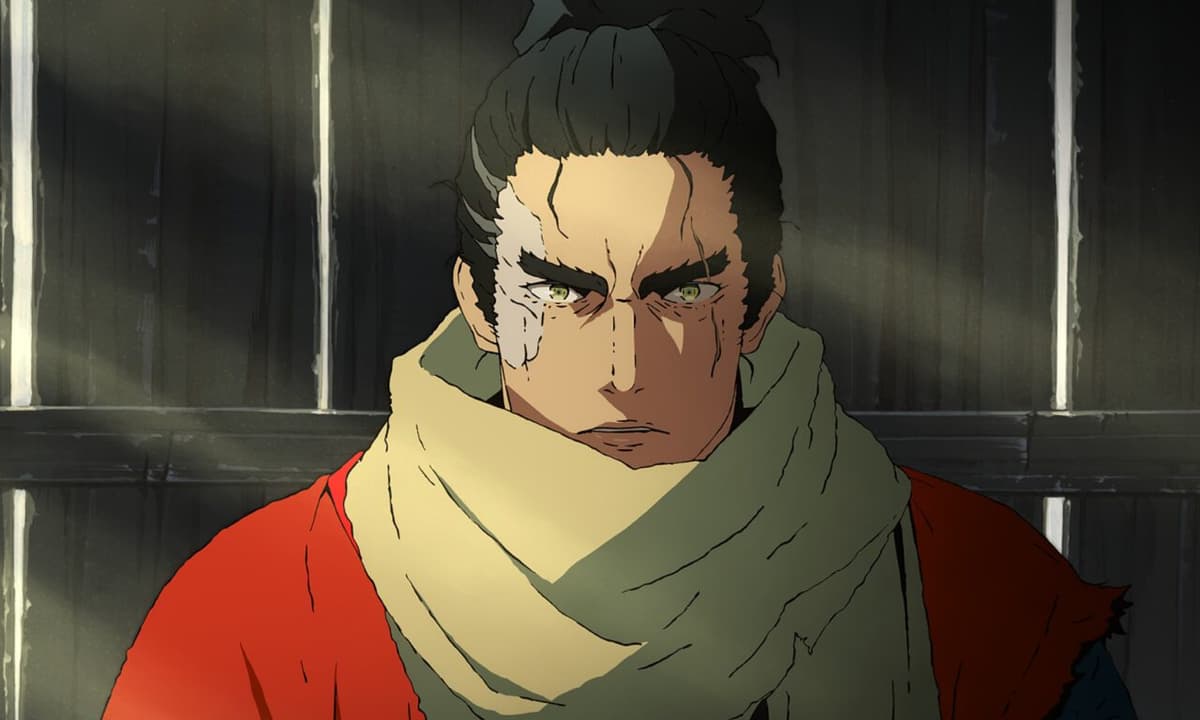
I’ll be real: after so many disappointing game-to-anime misfires, the production names don’t guarantee a win. The signs are promising—a real creative vision, hand-drawn artistry, and the right kind of reverence for the source. But the sword cuts both ways: this is either the boldest anime adaptation since Edgerunners, or another beautiful corpse on the pile. Either way, Sekiro: No Defeat is worth watching… preferably with the sound on and a healthy sense of skepticism.
TL;DR
Sekiro: No Defeat could finally bring FromSoftware’s singular samurai vision to anime in style—if it respects what made the original game unforgettable. For fans and newcomers alike, it’s shaping up as a gutsy gamble worth keeping on your radar. Just don’t expect it to die twice and come back if it misses the mark.