
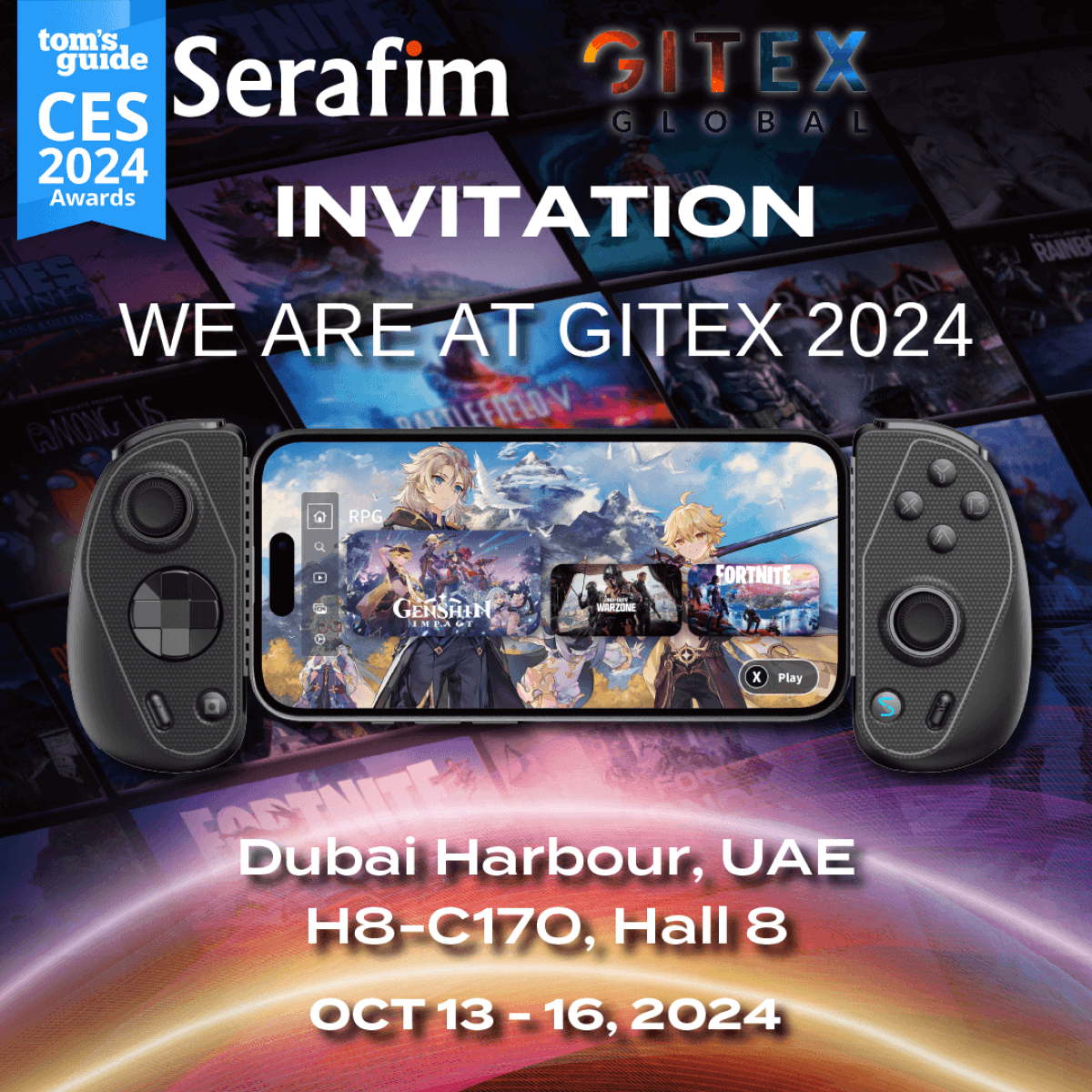
Serafim S3 Cloud Gaming Controller Is Hitting Gamescom — Here’s What Actually Matters
Game intel
Serafim S3 Cloud Gaming Controller
This Controller Invite Actually Caught My Eye
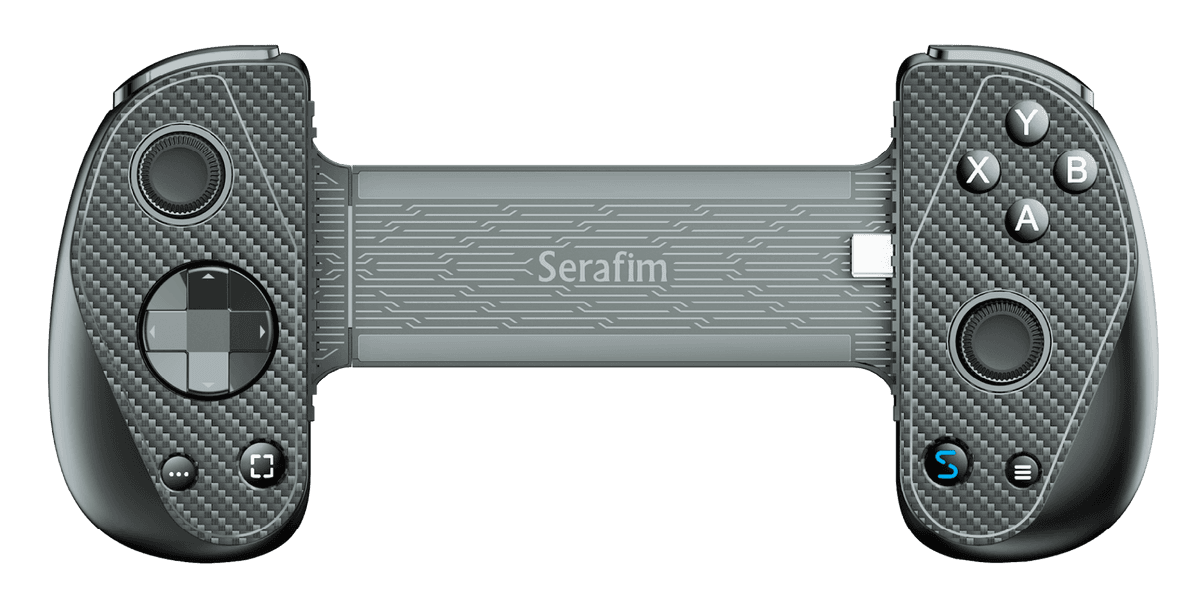
Another Gamescom, another “revolutionary” controller. But Serafim’s S3 Cloud Gaming Controller is worth a closer look because it checks a bunch of boxes gamers have been asking for: drift-free Hall effect sticks, proper Apple MFi certification, and what the company calls a world-first set of interchangeable ergonomic grips. That’s a spicy combination for mobile and cloud players who’ve been playing musical chairs between Backbone, GameSir, and Razer Kishi options the last two years.
- MFi certification should mean smoother iPhone/iPad support without hacky workarounds.
- Hall effect sticks and “zero-deadzone” triggers sound great-but they’ll need to prove it.
- “Cross-platform” claims often hide console caveats; I’ll be testing what works where.
- Interchangeable grips could finally make a one-size-fits-all mobile controller less of a hand cramp.
Breaking Down the Announcement (Minus the Marketing Gloss)
Serafim is showing the S3 at Gamescom 2025 (Hall 2.1, Booth A-002), fresh off a Best of CES 2024 nod. The headline features are solid: drift-free Hall effect joysticks, analog triggers that aim for zero deadzone, an app that promises video capture and social sharing, and-importantly-official MFi certification for Apple devices. On paper, that puts it right up against the current leaders in the mobile space like GameSir’s G8/G8 Galileo and Razer’s Kishi line, with a Backbone-like software layer on top.
Here’s where I’m skeptical. The press blurb leans hard on “cross-platform support” across PlayStation, Steam, Xbox, cloud platforms, and Android. For PC, cloud, and mobile, sure—that’s realistic. For native PS5 and Xbox consoles, third-party authentication is tricky. Unless Serafim has licensed the necessary security chips or is relying on wired/remote-play workarounds, “cross-platform” probably means PC + mobile + cloud services (Xbox Cloud Gaming, GeForce NOW, PS Remote Play, Steam Link), not plugging straight into your PS5 and calling it a day. I’ll be asking that question first at the booth.
Hardware That Actually Matters to Players
Hall effect sticks are no longer a gimmick—they’re a must-have in 2025. If you’ve ever fought drift on a Switch Joy-Con or wore through a traditional potentiometer stick on a cheap pad, you know why. Hall sensors use magnets, not friction, so longevity and stability are better. GameSir, 8BitDo, and Gulikit normalized this. It’s good to see Serafim not cutting corners here.
“Zero-deadzone” triggers sounds perfect, but the devil is in software. Many mobile games (and even Remote Play apps) impose their own input curves. I want to see raw input readings, not just a marketing graph. If the S3 supports custom trigger curves and stick response in its app—and applies them at a firmware level—that’s a real advantage over controllers that hide those settings behind flaky software overlays.
The interchangeable ergonomic grips are the wildcard. Plenty of pads offer swappable faceplates and even rear paddles, but grips that meaningfully change hand posture could be a godsend for marathon sessions of Hades via Steam Link or Fortnite on GeForce NOW. If Serafim’s grips alter width, palm swell, and weight distribution for different phone sizes, that’s genuinely useful—especially as phones keep getting heavier and hotter.
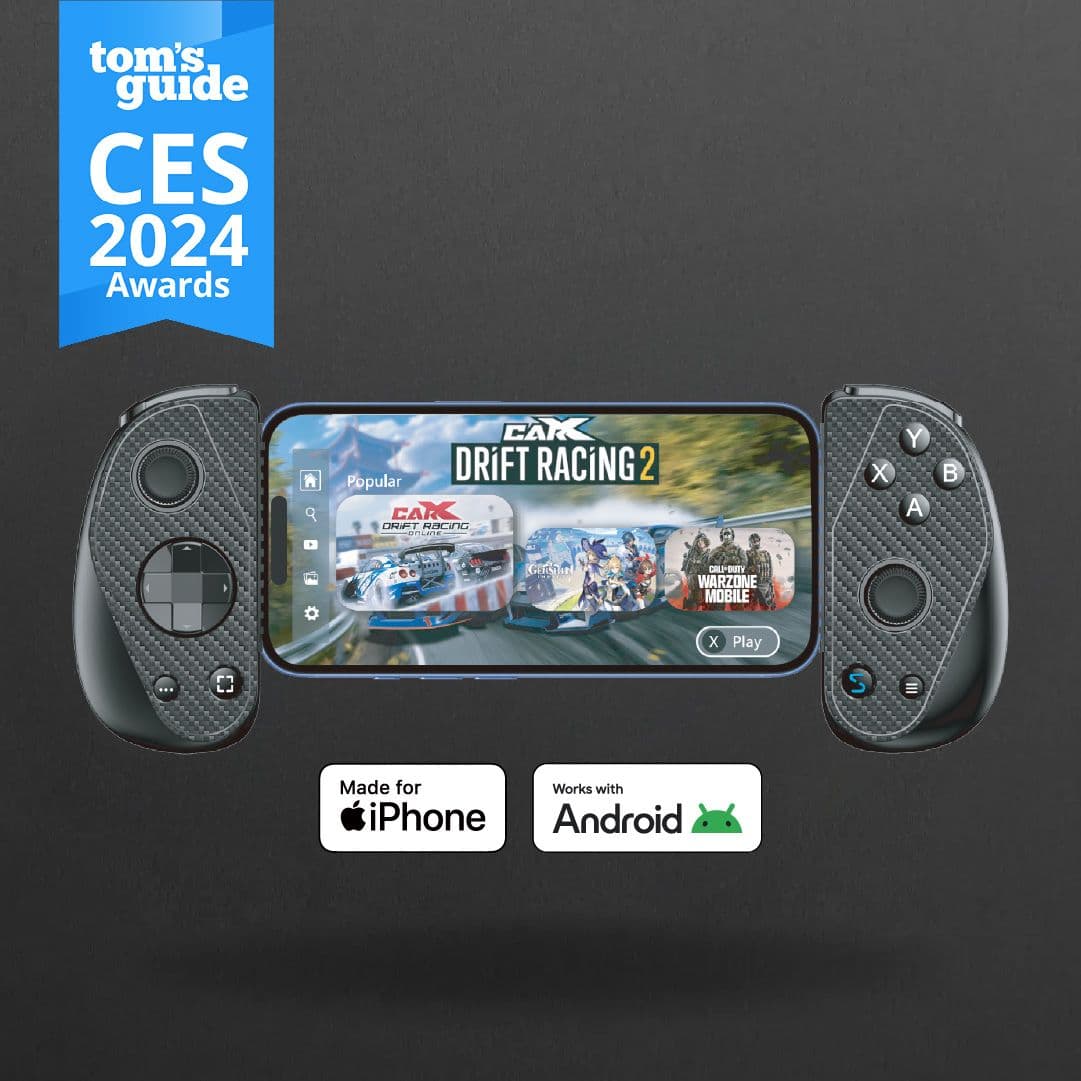
The companion app promising capture and sharing is interesting too. On iOS, true system-level capture is limited; usually you’re recording from the app you’re in. If Serafim’s software records streams from cloud services or mirrors Remote Play sessions cleanly (and without nuking battery or adding latency), that will turn heads. I’ll also be checking what “exclusive member benefits” really means—cosmetic themes are fine, but paywalled core features would be a red flag.
What This Changes (If It All Works)
For mobile and cloud-first gamers, the S3 could be the rare controller that doesn’t ask you to compromise: iPhone-ready thanks to MFi, Android-friendly, drift-proof sticks, and a grip system that adapts to your hands rather than the other way around. For folks bouncing between Xbox Cloud Gaming on the train, Steam Link on the couch, and PS Remote Play in bed, one reliable controller that nails low-latency input and comfort is the dream.
But the dream lives or dies on latency, passthrough charging, and heat. If the S3 offers stable wired USB-C on Android with simultaneous charging, low Bluetooth latency on iOS, and doesn’t cook your palms during long sessions, it’s a contender. If it’s Bluetooth-only on iPhone despite MFi, or if the app layer introduces lag, then it’s just another “almost.”
My Gamescom Checklist for the S3
- Latency and deadzones: Raw input tests on Android wired vs Bluetooth and iPhone MFi.
- Console reality check: Native PS5/Xbox support vs Remote Play/cloud only.
- Ergonomics: Do the swappable grips actually change comfort over a 45-minute session?
- Passthrough charging and audio: USB-C power and wired headset support on Android; what’s the story on iPhone?
- App features and privacy: Capture quality, file sizes, and whether essential functions are locked behind “member” perks.
- Build quality: Face button feel, d-pad precision (hello 2D indies), trigger smoothness, and wobble-free sticks.
Price, Availability, and the Fine Print
Serafim didn’t share price or availability in the announcement. That matters because the competition is fierce: Kishi Ultra and Backbone-style controllers often sit in the $100-$150 range, while GameSir undercuts with strong features around $80-$100. If Serafim clears $150, it’ll need bulletproof latency, great software, and those grips to be more than a gimmick. Also, “Best of CES” is nice press, but it’s not a pass—real-world testing after launch is what counts.
TL;DR
The Serafim S3 looks like a legit contender for mobile and cloud gaming with Hall effect sticks, MFi support, and clever grip options. Just don’t assume “cross-platform” means native PS5/Xbox until proven, and watch for latency, charging, and app paywalls. If the Gamescom demos deliver, this could be the mobile pad to beat in 2025.