

Seven Years After The Elder Scrolls VI Reveal, the Only Concrete Detail Is a Fan Tribute NPC
Game intel
The Elder Scrolls VI
The long awaited next installment in the Elder Scrolls franchise.
The Elder Scrolls VI’s strangest milestone: a community tribute, not a trailer
I’ve spent an embarrassing number of hours on UESP over the years-Morrowind builds, Oblivion quests, Skyrim cheese-wheel physics, the lot. So this update on The Elder Scrolls VI caught my eye for a weird reason: it’s the most concrete thing Bethesda has shared since that 2018 teaser, and it isn’t a trailer, a screenshot, or even a logo tweak. It’s an NPC. A memorial to a fan. That’s both wholesome and a reminder of how little we actually know seven years on.
- TES VI remains under wraps-no gameplay, no screenshots, no date.
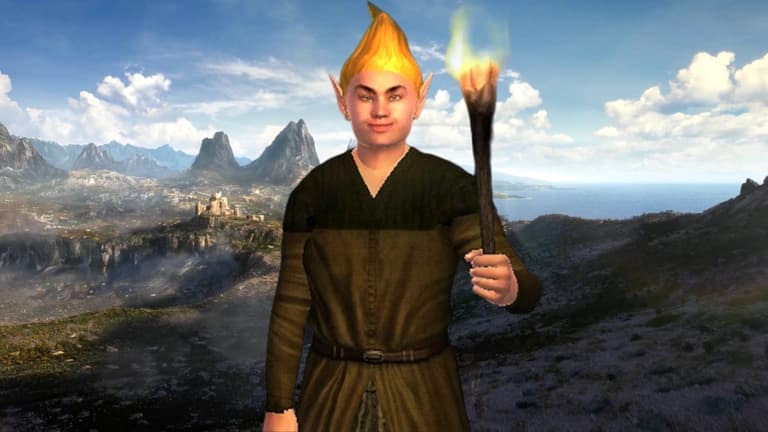
- Bethesda will include a tribute NPC inspired by community member Loranna Pyrel.
- The character was designed with UESP after a Make‑A‑Wish charity auction hit $85,300.
- Full production began post‑Starfield; realistic release talk is late decade, not soon.
Breaking down the announcement
Earlier this year, Make‑A‑Wish Mid‑Atlantic ran a charity auction that let the winner help create a character for The Elder Scrolls VI. The final bid landed at $85,300. The Unofficial Elder Scrolls Pages (UESP) community tried to win; they missed-but Bethesda brought them in anyway to collaborate on a character that honors “Loranna Pyrel,” the handle of Frank, a beloved Elder Scrolls role‑player whose ambitious community campaigns in the mid‑2000s left a mark on the fandom and even brushed against the series’ lore. It’s a classy move that speaks to how Bethesda sees its community: not just as an audience, but as co‑authors of the Elder Scrolls vibe.
UESP summed up the mood after meeting with Bethesda: “We just finished up a meeting with Bethesda where we got to design a character for The Elder Scrolls 6. Honestly, a lot of us went into the meeting pretty nervous and even reserved, but now we’re all extremely excited for what’s in store.” You don’t need to be a lore archivist to appreciate what this means for long‑timers who lived through forum RPs and fan events back when Tribunal CDs spun in chunky drives.
Seven years of silence—what can we reasonably infer?
Officially, Bethesda moved TES VI into production after shipping Starfield in 2023. That lines up with Todd Howard’s long‑stated cadence: one gigantic RPG at a time, slowly. Creation Engine 2 is now battle‑tested, which matters. Starfield’s reception gave Bethesda two years’ worth of notes they can’t ignore: procedural sprawl vs. hand‑crafted density, friction in menus and UI, stiff melee, and how much “radiant” content is too much. If TES VI nails rich cities, memorable questlines, and a magic/combat overhaul that feels tactile again—think Morrowind’s weirdness meets Skyrim’s immediacy—it’ll justify the wait. If it leans into checkbox content over authored adventures, people will bounce faster than you can say “arrow to the knee.”
On setting: speculation has circled Hammerfell and High Rock for years, but Bethesda hasn’t confirmed anything. Don’t let map‑gazing and trademark hunting convince you otherwise. Until we see an art drop or a design blog about factions and geography, “where” is still a blank space on the parchment.
Platforms and strategy matter too. Microsoft’s courtroom documents have suggested TES VI won’t hit PlayStation, which tracks with the Xbox/PC focus post‑acquisition. Expect deep mod support on PC, and a “Creations”‑style pipeline on console—great for longevity, but keep an eye on how paid mods are presented. Bethesda loves mod communities, but the monetization dance has burned goodwill before. If they’re smart, they’ll center free tools and curation first, with optional paid content that feels additive rather than clawing.

The gamer’s perspective: sweet gesture, thin gruel
I love the Loranna tribute. It’s the kind of human touch that reminds you why Elder Scrolls stuck—because the community kept the torch lit between games. But it also highlights the vacuum: we’re seven years in and the biggest beat is about one NPC. That’s not on UESP; that’s Bethesda choosing radio silence. Fine—under‑promise and over‑deliver if you can—but at some point players need pillars. What are the design tenets? Are guilds back in force with questlines that resolve meaningfully? How systemic is stealth and magic this time? Will cities feel more like Vivec’s layered weirdness than theme‑park facades?
There’s also the Series S/Series X reality. Starfield’s performance compromises were understandable for a spaceship sim spanning thousands of tiles, but TES VI is a different promise: fewer empty expanses, more density. If Bethesda can lock in consistent performance, sensible loading, and good controller ergonomics out of the box, they’ll avoid a day‑one dogpile. And please, no 17 nested menus for alchemy.
What to watch while we wait
Realistically, don’t expect a release before the back half of the decade. The smarter tells will be smaller: job postings that emphasize quest design over procedural generation; engine blogs about animation, melee hit‑feel, and AI schedules; confirmation of a Creation Kit successor shipping near launch—not a year later. And when the first trailer lands, look past vistas for signs of systems: faction conflicts, emergent magic interactions, stealth tools, and how NPCs react to your build. That’s Elder Scrolls’ soul, not just the mountains at golden hour.
TL;DR
Seven years after that E3 tease, TES VI is still a mystery box. The most tangible update is a thoughtful NPC tribute designed with UESP and Make‑A‑Wish in memory of Loranna Pyrel—a win for community spirit, if not for thirsty fans craving gameplay. Production is underway post‑Starfield; now Bethesda needs to show the design pillars that will make this feel like the Elder Scrolls we fell in love with, not just a bigger map.