

I’ll admit, the first time I read about SHADE Protocol, I did a double-take. A Metroidvania that lets you rewrite reality with code, swap between DAWN and SHADE forms on the fly, and fight with weapons inspired by musical instruments? That’s a cocktail you don’t see every day, even in today’s indie scene where “genre-defying” is almost a cliché. But the kicker here is the studio’s promise: to give us a game where bending the rules isn’t just a metaphor, it’s baked into the mechanics. That’s enough to get any Metroidvania-head’s curiosity fired up-but is it more than just stylish marketing?
Key Takeaways:
| Feature | Specification |
|---|---|
| Publisher | Little Legendary |
| Release Date | 2026 |
| Genres | 2D Metroidvania, Cyber-Fantasy, Action-Adventure |
| Platforms | PC |
SHADE Protocol is the kind of indie pitch that raises eyebrows-sometimes out of excitement, sometimes out of skepticism. After all, the Metroidvania genre is packed, with big hitters like Hollow Knight, Dead Cells, and Axiom Verge setting the bar. But Little Legendary isn’t shying away from bold claims: they’re promising “code-infused” combat, where you can combine Protocols and code fragments to customize your fighting style, or even rewrite enemies’ behavior. If that’s more than marketing fluff, it could be a genuine game-changer (pun intended) for how we approach 2D action design.

What really stands out is the “Instrument” weapon system—each weapon, from a Sunrise Great Axe to a Midnight Chakram, is inspired by music and offers its own combat and exploration tricks. It’s more than just flavor text: if these weapons play and fight differently, it could capture the kinetic, expressive feel that makes action Metroidvanias so addictive. The DAWN/SHADE mechanic, letting you flip forms for different skills and styles, reminds me of the best moments from games like Guacamelee! or Ori—always keeping you thinking on your feet, not just mashing attack.
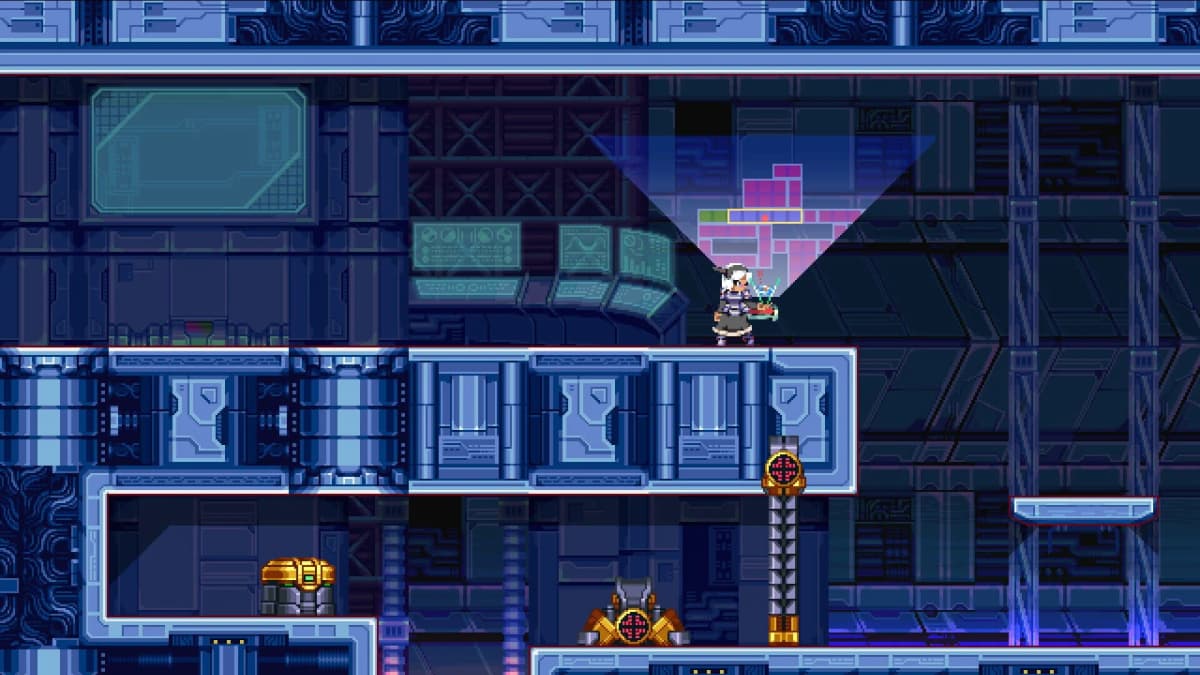
The “rewrite reality” pitch is what really sets SHADE Protocol apart—on paper. The idea that you can recode not just your attacks but even enemy behaviors, or replay key moments to change outcomes, sounds ambitious. But as someone who’s seen plenty of features oversold in early marketing, I’m keeping my hype in check. The reality of implementing that kind of system—without making the game a confusing mess or a balance nightmare—is no small feat for a debut studio. Still, I respect the audacity. If they pull it off, we could see a new direction for interactive Metroidvania storytelling, where real agency goes beyond just picking a dialogue option.

For all the big ideas, what matters is how it feels to play. The footage so far hints at quick, satisfying combat, but the devil is in the details. Will the parry system be tight enough to reward mastery without being punishing? Will the Protocols genuinely unlock creative play, or just pad out a checklist of upgrades? With a 2026 release on PC, there’s time for refinement—but also a risk of feature creep or over-ambition that’s tripped up many indie hopefuls before.
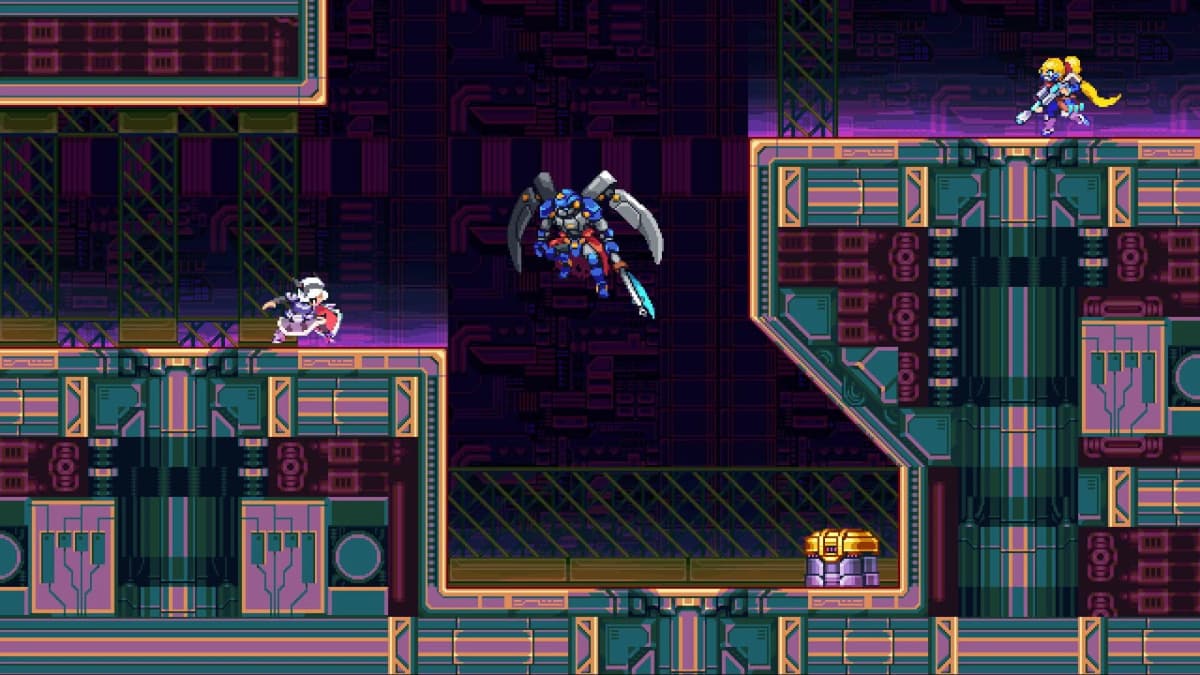
So, what does this mean for Metroidvania fans? If you love the genre but crave something that genuinely experiments with its DNA, SHADE Protocol is one to watch. It’s trying to be more than a “me too” indie—if those reality-rewriting mechanics give us true freedom and not just cosmetic tweaks, it could sit alongside the greats. But as with any ambitious debut, cautious optimism is the way to go. The vision is bold, the style is unmistakable—now we’ll see if Little Legendary can code it into something legendary.
TL;DR: SHADE Protocol is shaping up to be a genre-bending Metroidvania that lets you fight, code, and compose your own playstyle in a neon-drenched cyber-fantasy world. Its ideas are ambitious and genuinely fresh—now the test will be whether Little Legendary can fuse them into a game that feels as good as it sounds.
Source: Little Legendary via GamesPress
Get access to exclusive strategies, hidden tips, and pro-level insights that we don't share publicly.
Ultimate Gaming Strategy Guide + Weekly Pro Tips