
Table of Contents (6)
Why Shinji Mikami’s career is the best counterargument to “design by branding”
Shinji Mikami’s story is less a straight career and more a series of deliberate pivots: Disney tie‑ins and Game Boy work, then the man who rewired survival horror, then a flirtation with over‑the‑top action, and finally a bright, ridiculous rhythm‑action about hitting bad guys to a beat. That pattern – shock, recalibrate, repeat – is the real through‑line. It tells you something important: Mikami isn’t building a personal brand around one comfort zone. He’s chasing the design problem he finds interesting.
- He reinvented how we feel fear: Resident Evil married cinematic framing and technical advantage to make tension a playable system.
- He refuses genre loyalty: from Aladdin and Roger Rabbit tie‑ins to Vanquish’s breakneck shooting and Hi‑Fi Rush’s rhythm combat.
- His track record is messy – and instructive: big wins and baffling flops both show a designer willing to throw away certainty for the weird idea.
The arc that matters: buffet lunches, Disney games, then terror
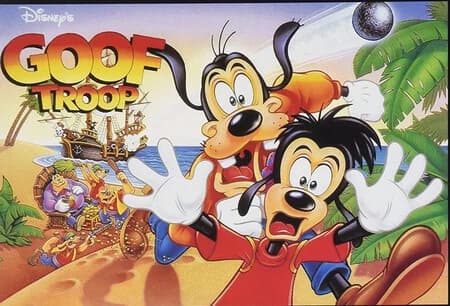
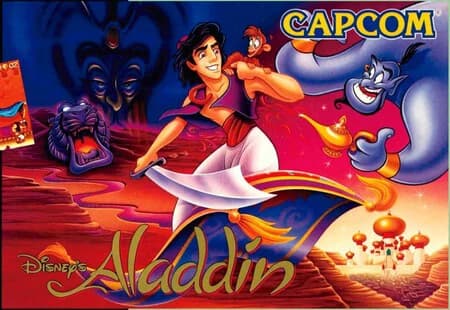
VidaExtra’s recent profile digs up the anecdote everyone loves: Mikami auditioned for Capcom partly because the job fair had a free Hilton buffet. It’s a humanizing origin story, but the detail that matters is what he did next. Early on he worked on family‑friendly licensed projects — Game Boy and SNES adaptations of Disney properties — learning the craft through rigorous limits: small teams, strict licenses, and brutal hardware. That apprenticeship taught him discipline, not aesthetic conservatism.
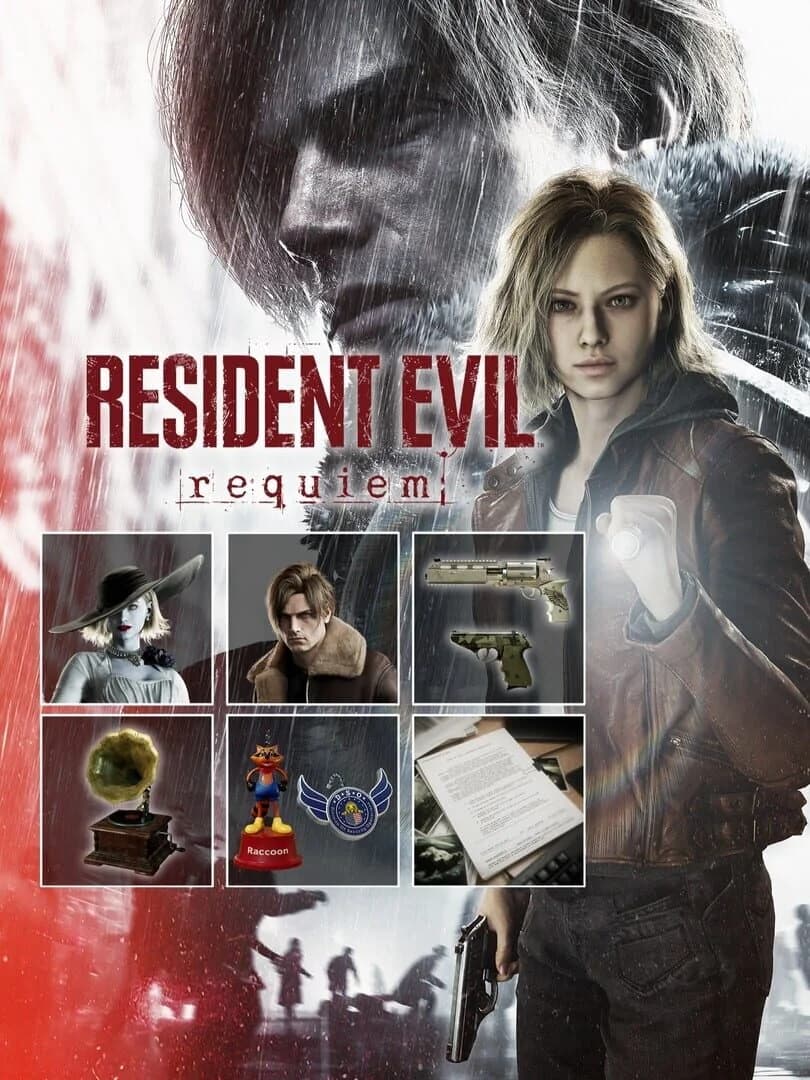
Then came Resident Evil. By marrying a horror film language (Romero/fulci influences) to PlayStation‑era tech — pre‑rendered backgrounds, cinematic pacing, inventory as tension — he didn’t invent survival horror out of nowhere. He pointed the genre toward “what if fear were a gameplay loop?” and a generation of designers followed.
Reinvention as a design strategy, not a PR slogan
Mikami’s moves after Capcom are where most biographies stop flattering him and start showing the hard lessons. He left a star role and cycled through Platinum and collaborations with oddballs like Goichi Suda. Some of those bets paid off — Vanquish (2010) taught third‑person shooters to be aggressively mechanical and fast. Others, like P.N.03 or the cult favourite God Hand, were divisive commercially. That mix matters: it shows Mikami isn’t chasing safe sequels. He experiments, and sometimes the market forgives him because the idea is interesting enough.
Founding Tango Gameworks with backing from Bethesda (a relationship VidaExtra highlights) was the clearest expression of that impulse: a small studio with enough support to swing for unusual concepts. The result was Hi‑Fi Rush — a color‑soaked, rhythm‑based action game that looks like something no one expected from the “Resident Evil guy.” It also proved the thesis: a trusted designer can carry player goodwill into experiments other creators wouldn’t get funding for.
The uncomfortable observation
Mikami’s chameleonic talent is real, but it creates a practical problem: his name attracts attention that publishers monetize, and attention isn’t the same as scalable success. Not every Mikami experiment translates into a franchise or a reliable revenue stream. The industry still prefers repeatable IPs. The awkward truth is that Mikami’s brand buys creative freedom — and that freedom can produce both Vanquish and commercial flops. The PR line is “visionary auteur”; the working line is “editorial risk the business may not always reward.”
What to watch next
- How Tango’s next projects balance novelty and commercial reach — will they lean further into invention or chase reliable genres?
- Whether Mikami becomes more a mentor and studio architect than a hands‑on director; his influence may be magnified if he trains the next wave of designers.
- How big publishers leverage his reputation: as a source of genuine experimentation or as a marketing flourish around safer games.
If I had one question for a PR rep — and I would ask it bluntly — it would be: will you fund weirdness because you believe in the long‑term payoff, or because it’s a cheap way to say your slate is “diverse”? The answer tells you whether Mikami will stay a creative outlier or become an occasional label on someone else’s safer hits.
TL;DR
Mikami began in licensed, kid‑friendly work and used those constraints to learn craft. Resident Evil turned him into a designer who could translate cinematic horror into gameplay systems. After Capcom he repeatedly reinvented his approach — sometimes brilliantly (RE4, Vanquish, Hi‑Fi Rush), sometimes commercially messy (P.N.03, some cult titles). The takeaway: Mikami’s real legacy isn’t zombies; it’s a model for how a designer can keep destabilizing genres without settling into a predictable brand.
FinalBoss // Gear
Level up your setup
01Top-rated gaming headsetson Amazon→02High-refresh gaming monitorson Amazon→03Gaming chairson Amazon→04Discounted game keyson Kinguin→Affiliate links · As an Amazon Associate, FinalBoss earns from qualifying purchases.
Want to Level Up Your Gaming?
Get access to exclusive strategies, hidden tips, and pro-level insights that we don't share publicly.
Ultimate Gaming Strategy Guide + Weekly Pro Tips