

Could Shinobi’s 2D Return Redefine Action Platformers?
Game intel
SHINOBI: Art of Vengeance
Slay the enemies in the silence of the moment. Run through the world of Shinobi full of monsters and ninja actions. Grab Oborozuki, the legendary sword, and sl…
Why This Comeback Actually Caught My Eye
Shinobi is one of those legacy names that makes seasoned players’ hearts race. I cut my teeth on Revenge of Shinobi and the breakneck speed of Shinobi III (horse gallops and surf escapes still haunt me—in a good way). Then came PS2’s scarf-slicing reboot and the 3DS prequel starring Jiro Musashi. So when Sega announced Joe Musashi’s return in a modern 2D action platformer from Lizardcube—the studio behind Wonder Boy: The Dragon’s Trap’s charm and Streets of Rage 4’s art—it felt like fate. The pitch is simple: hand-drawn 2D, razor-sharp platforming, melee-focused combat, and a globe-spanning revenge tale from bamboo woods to neon-lit deserts. Execute the core ingredients, and you have genre gold. Miss the mark, and it’s nostalgia treading water. If Lizardcube delivers the frantic fluidity and disciplined builds Shinobi demands, Art of Vengeance could rewrite how we think about classic revivals.
Key Takeaways
- Lizardcube bets big on handcrafted 2D animation with pixel-level clarity and precise frame timing.
- Joe Musashi’s toolkit fuses katana slashes, kunai throws, Ninpo spells, and build-shaping Amulets.
- Stage themes span bamboo forests, neon cities, military bases, and desert ruins—each with unique traps and enemy combos.
- The structure is linear with optional backtracking for secrets—no sprawling Metroidvania detours.
- Performance, build discipline, and instant retries will decide whether momentum never stops or stalls.
Breaking Down Lizardcube’s Vision
Lizardcube co-founder Ben Fiquet has stressed that 2D here isn’t a fallback—it’s a deliberate art direction. On modern gear, hand-drawn frames can sparkle without sacrificing responsiveness, as long as readability and frame timing remain paramount. The studio says it pored over both official concept art and fan interpretations to capture what Shinobi really means: rhythm, space control, and that unmistakable ninja swagger.
Lead Designer Fred Vincent outlines combat built on perpetual motion—seamless transitions between platforming and brawling. That echoes classic Shinobi DNA: keep slicing, keep sliding, keep recalibrating. The build layer arrives via Ninpo and Amulets—passives or combo-triggered perks like shorter kunai cooldowns or elemental spell upgrades. The key is limited slots to avoid RPG excess. If each Amulet nudges your tactics (say, piercing kunai vs. a fire-spell reset) without overshadowing core swordplay, it could hit a sweet spot between depth and clarity.
And yes, it’s not a Metroidvania. Lizardcube is explicit: this is a zone-based, linear ride with branching paths for hidden rooms or tougher routes. Shinobi’s momentum-first DNA thrives on maintaining tempo—no map backtracking marathons, just focused runs and precise retries.
The 2D Renaissance and Shinobi’s Place Within It
We’re in a golden era for side-scrolling action. Prince of Persia: The Lost Crown showed a storied franchise could feel weighty and modern in 2D, blending wall runs with visceral combat. The Messenger and Cyber Shadow proved that tight movement tech, perfect parries, and precise enemy telegraphs still define the ninja subgenre. TMNT: Shredder’s Revenge and Streets of Rage 4 revived hand-drawn beat ’em ups with stylish combos and lush backgrounds.
Shinobi’s potential edge lies in economy: where Ninja Gaiden leans on 3D spectacle and high-octane juggling, classic Shinobi thrived on one crisp slash, a timely dive kick, a well-aimed shuriken, or a show-stopping Ninpo to clear the board. If Art of Vengeance preserves that simplicity while layering in modern enemy archetypes and tougher mixed-group encounters, it can carve its own niche. The promised stage roster—bamboo groves, neon districts, fortified bases, desert canyons—shouldn’t feel like mere reskins. Each environment needs hazards that force real-time lane changes and creative Ninpo use, not just fresh paint.
Stage Diversity and Hazard Design
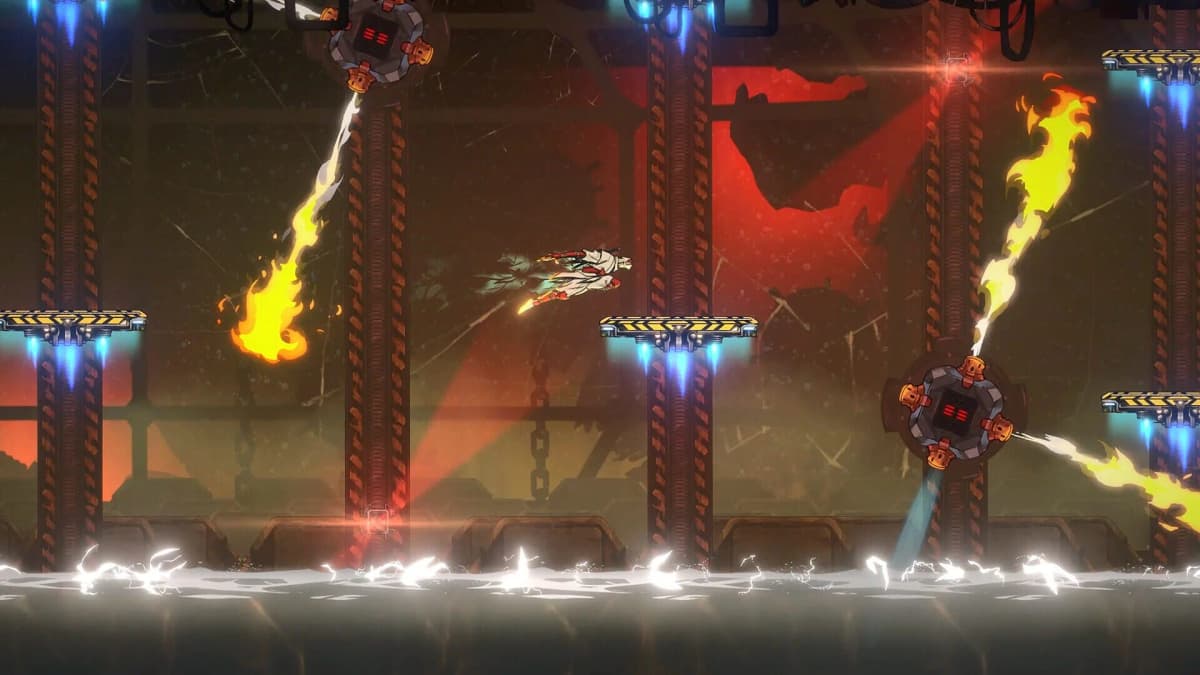
Bamboo forests evoke Revenge of Shinobi’s opening act, but new foliage traps—swinging logs, breakaway platforms—could sharpen stakes. Neon city rooftops might feature electrified billboards or sliding girders, demanding split-second jumps. Military bases could mix automated turrets with stealthy ninjas, while desert ruins might introduce collapsing ledges or sudden sandstorms that obscure telegraphs. The ideal stage design uses art to telegraph threats—glowing cracks before a falling pillar or flickering neon wires hinting at an electrical hazard—so players can learn and adapt without guesswork.
Comparisons help. In The Messenger, precise wall jumps and rope swings felt integral to both traversal and combat. Cyber Shadow’s stamina meter added a resource layer that forced aggressive resets. Shinobi should blend these lessons: intelligent hazard placement plus platforming that always feels fair, never arbitrary.
What I’m Watching For (The Gamer’s Checklist)
1. Frame-Perfect Feel and Performance
Hand-drawn art dazzles, but only if inputs register instantly. I’ll be measuring the input buffer windows, cancel windows for slash-to-jump transitions, and frame visibility. A stable 60fps across consoles, with no dips during spell effects, is non-negotiable. If animations blur or drop frames when a Fire Ninpo clears a crowd, momentum breaks and so does my patience.
2. Restart Loop and Checkpoint Placement
Old Shinobi punished mistakes severely, yet always offered lightning-fast retries—sometimes within a fraction of a second. I want generous mid-zone checkpoints on branching “challenger” routes, plus the option to return to the last safe hub after a brutal boss duel. Sliding out of combat straight into the next attempt preserves flow; loading screens kill it.
3. Strategic Build Paths That Don’t Dilute the Sword
Ninpo spells and Amulets promise build variety, but box-checking perks can bury your core katana and kunai skills. Ideal loadouts remain lean. Hypothetical examples:
- Armor-Breaker Loadout: Piercing Kunai Amulet + Earth Ninpo to shatter shields quickly.
- Speed Demolition: Rapid-fire Kunai perk + Wind Ninpo for hit-and-run crowd control.
- Balanced Shadow: Extended Shuriken Range Amulet + Shadow Cloak Ninpo for stealthy repositioning.
Each should feel like a distinct playstyle without forcing menu-dives in the heat of battle.
4. Enemy Clarity and Telegraphed Attacks
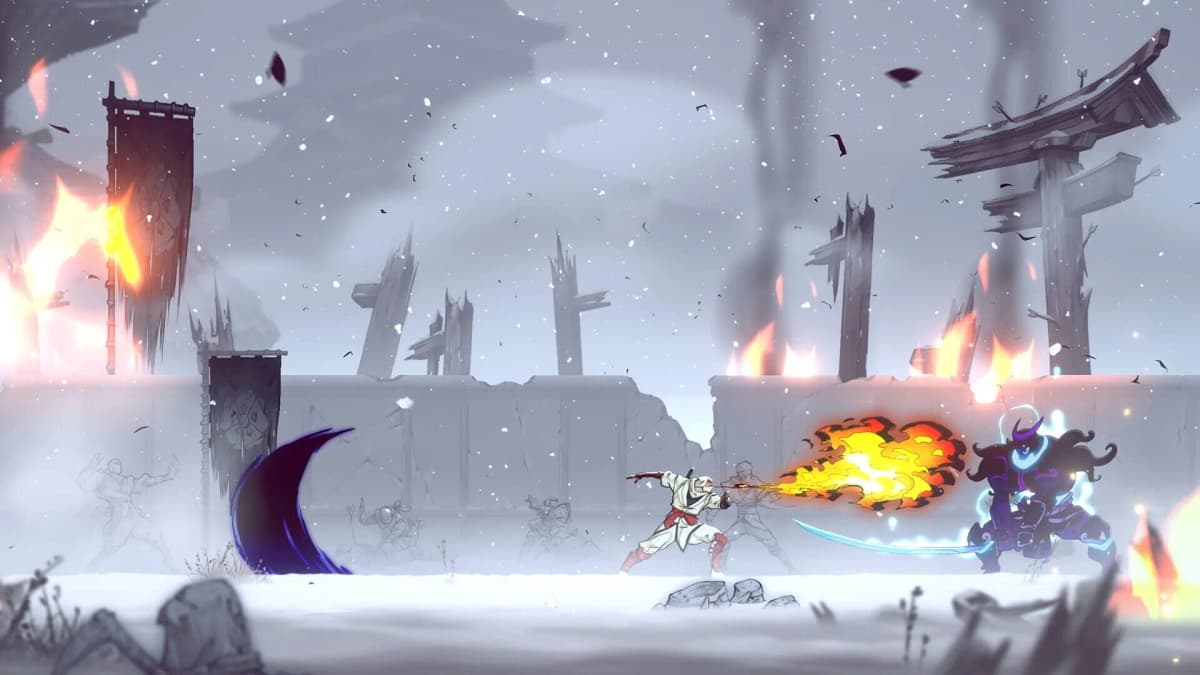
Boss “archetypes” are welcome—but each needs unmistakable visual or audio cues. If a ground-pound sends shockwaves, a camera shake plus a brief red flash is better than guessing ranges. Mini-bosses patterned after classic Shinobi stages—samurai generals, armored mechs, ninja throwers—should telegraph combos clearly amid painterly effects.
5. Accessibility and Quality-of-Life Options
Difficulty modes, button remapping, and even a combo-training room help newcomers find footing without diluting the core challenge. A challenge tower or separate time-attack mode extends replayability for speedrunners. Offer assist toggles—like extra health or unlimited Kunai—so curious players can learn stage layouts before going knife-to-armor on the hardest settings.
Want to Level Up Your Gaming?
Get access to exclusive strategies, hidden tips, and pro-level insights that we don't share publicly.
Ultimate Gaming Strategy Guide + Weekly Pro Tips
Comparisons with Recent 2D Standouts
Prince of Persia: The Lost Crown balanced cinematic flair with pixel precision—its fluid wall runs and momentum saves inspired. The Messenger’s time-swapping and rope bridges proved level design can double as combat utility. Cyber Shadow’s tight parry windows and stamina restraint reminded us that restraint enhances feel. Shinobi’s unique proposition is that it shouldn’t need any gimmicks: the core is movement and decisive strikes. If Lizardcube matches—or exceeds—the raw responsiveness of those titles, Joe Musashi’s return will feel both familiar and cutting-edge.
Pricing, Platforms, and Release Conditions
So far, Sega hasn’t confirmed price, platforms, or date. For a precision-driven game, locked performance on console and PC is crucial. Day-one cross-play or at least cross-save between PC and console builds would maximize reach. And monetization should stay on the honor system—complete package, no surprise DLC boosts. Shinobi’s audience expects a full offering from launch, not seasonal cash grabs.
Why Shinobi: Art of Vengeance Could Be Special
This revival makes sense because it doesn’t chase every current trend. A fast-paced, linear 2D action platformer rooted in Joe Musashi’s precision is exactly the territory Shinobi pioneered. Lizardcube has the artistic chops, and their talk of stage variety, nonstop motion, and meaningful but constrained builds shows they understand what’s at stake. Nail the feel, nail the flow, and control the chaos with simple yet powerful build choices—and you have more than a nostalgia play. You have a blueprint for modernizing an arcade icon without dulling its edge.