
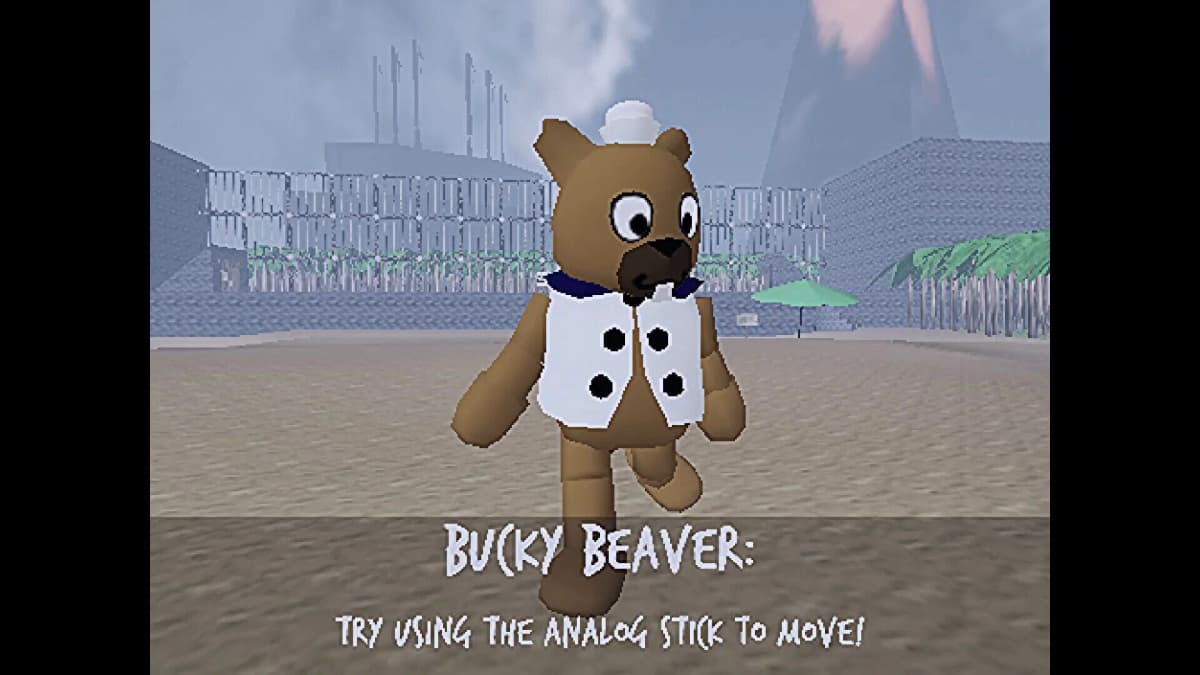
Every so often, a game comes out of left field that doesn’t just challenge your reflexes, but actively messes with your head. Shipwrecked 64 is one of those titles. On the surface, it looks like a charming pixel-art throwback on Steam, but if you’re only judging by screenshots, you’re missing the point entirely. This is one of the smartest, most unsettling Alternate Reality Games (ARGs) in recent memory—and it refuses to play by any rulebook you’ve encountered.
Shipwrecked 64 presents itself as the final installment in a satirical “mockumentary” trilogy about Broadside Animation—a fictional, possibly cursed, 1990s cartoon studio. Behind the retro veneer lies a multi-layered puzzle experience that blurs the line between in-game mechanics and out-of-game sleuthing. With a 2023 “corrected” version and a hidden 1997 “glitch” mode, it unfolds like a two-act horror story, complete with corporate cover-ups, corrupted mascots, and cryptic audio logs.
At first glance, Shipwrecked 64 plays like a standard pixel-adventure: you navigate a deserted island, gather supplies, and solve environmental puzzles. But beneath that familiar surface lie mechanics designed to trigger doubt and force you to question every clue.
For example, early on you’ll find a series of “decomposition nodes”—tiles that change color and shape each time you revisit them. One puzzle tasks you with rearranging ocean buoys in a specific order, but the correct sequence is only hinted at through timestamps hidden in scattered audio logs. Decode them wrong, and the entire level shifts into a glitched palette, blocking your path until you regroup and try again.
Another standout sequence drops you into a simulated TV broadcast for Broadside Animation. Your job is to unscramble a corrupted video tape by manipulating the broadcast frequencies. Successful players report using spectrogram tools outside the game to isolate embedded messages—an example of how Shipwrecked 64’s designers expect you to bring external software into the mix.
Unlike most ARGs that rely on websites and real-world mailers, Shipwrecked 64 forces the interaction through its Steam package. The infamous Clever.txt file lies buried in the game directory. Opening it feels like victory—until you read the sardonic message:
“Congratulations, genius—you’re close. Except you’re not. Try again.”
This playful gaslighting exemplifies the game’s DNA. Every “win” screen is laced with red herrings, and even the “true ending” is merely a gateway to the shadowy 1997 mode. That mode plunges you into corporate memos, maskeds mascots who recite your real-life playtime, and multi-layered riddles that blend in-game text with Twitter feeds and Discord announcements.
Concrete puzzle example: to unlock the final modem transmission, players must decipher a five-page PDF disguised as a press release. Embedded steganographic hints point to a private forum thread. Miss a single symbol or misinterpret a date, and the game simply loops you back to the title screen—no warning, no checkpoint.
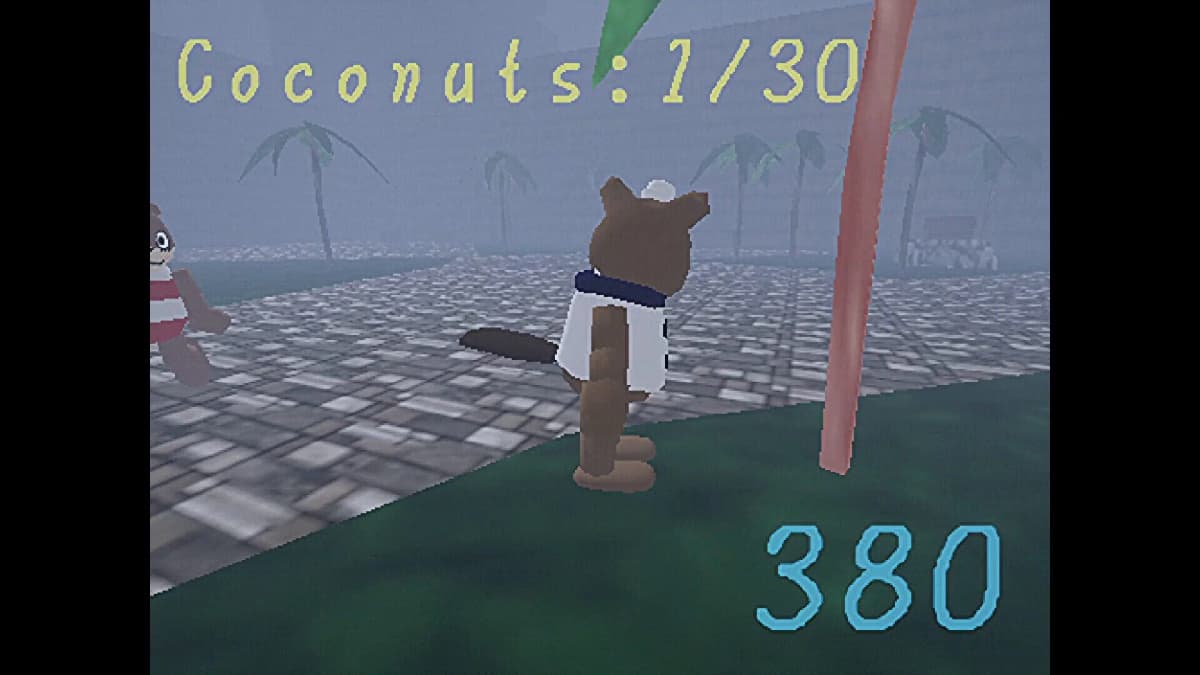
Shipwrecked 64 almost demands you join forces with fellow sleuths. Almost every secret discovered in the wild emerged from Discord servers and Reddit threads where players share hex dumps, compare audio spectrograms, and trade screenshot clues. One community-uncovered secret involved assembling an ASCII map from pixel-dump files. Another saw modders injecting their own scripts to reveal hidden UI layers.
Player strategy tip: coordinate time-zone checks for live “radio signals” broadcast through a deep-web relay. Missing one broadcast means losing a critical cipher slice—and you won’t get a second chance for hours. This reliance on real-time events creates a genuine sense of urgency, but it also raises the barrier for casual gamers who can’t dedicate nightly time slots to puzzle hunts.
On the flip side, this communal energy is a major draw. Watching players race against the clock, sharing voice-transcribed clues or live-annotated maps, builds a camaraderie rare in single-player adventures. If you enjoy the thrill of collective problem-solving, Shipwrecked 64’s design will feel like a fresh wind—provided you’re prepared for the occasional frustration of a dead-end clue planted as a troll.
While the game excels at turning every discovery into a mini-epiphany, it can also feel punishingly opaque. The developers’ decision to withhold clear progress markers in the 1997 mode means some players wander in circles before finding a breakthrough. And if you’re only after a straightforward pixel quest, the dense meta-lore and frequent false leads can feel like overkill.
Get access to exclusive strategies, hidden tips, and pro-level insights that we don't share publicly.
Ultimate Gaming Strategy Guide + Weekly Pro Tips