
Table of Contents (8)
Why This Announcement Actually Matters
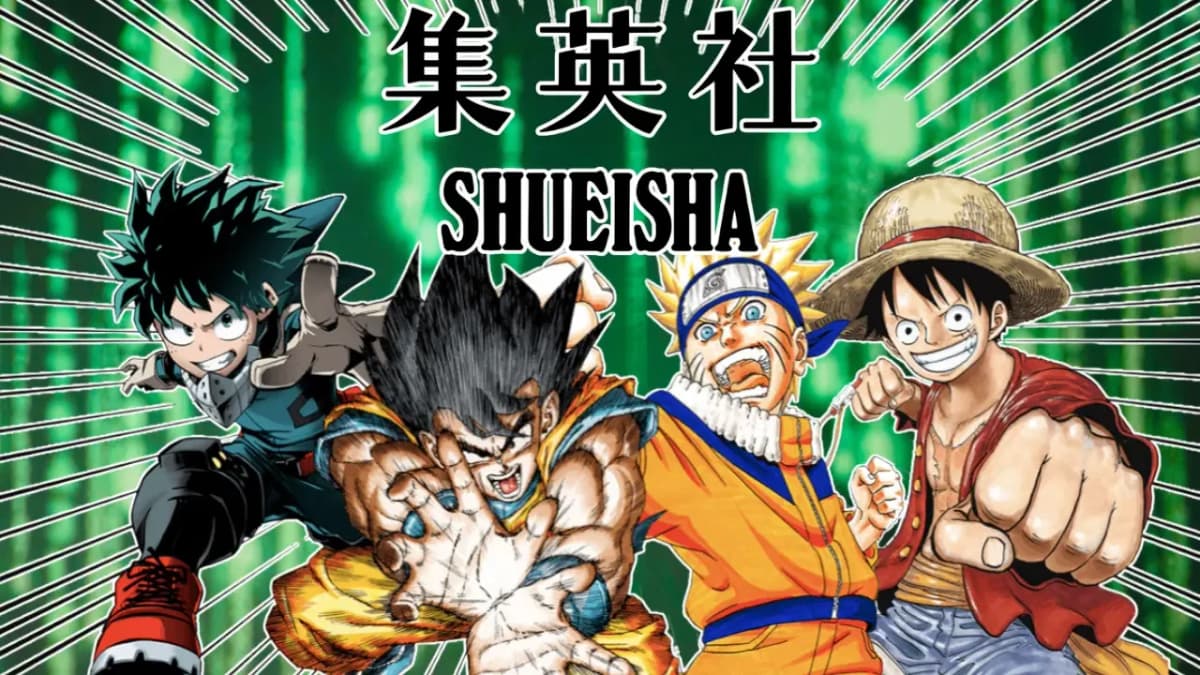
Shueisha-the publisher behind One Piece, Dragon Ball, and Naruto-just fired a warning shot at generative AI. In an Oct 31 statement, the company condemned AI-made videos imitating its manga and anime (calling out “Sora2” by name), and demanded stricter legal guardrails, anti-counterfeiting safeguards, and direct responsibility from AI providers. As someone who’s watched anime licenses fuel everything from arena brawlers to mobile gachas, this caught my attention because Shueisha isn’t just doing PR damage control. They’re signaling a shift that could ripple into how anime games are made, modded, and marketed in 2025.
Key Takeaways
- Expect tougher enforcement against AI-cloned art, voices, and scripts tied to Jump IP-across YouTube, TikTok, and even PC mods.
- Licensing deals will likely add strict “no AI training or generation” clauses, slowing approvals but potentially improving quality.
- AI providers could face direct liability demands—meaning platforms may proactively block infringing uploads.
- Fans should brace for more takedowns of “AI-assisted” fan projects, while official releases become more tightly curated.
Breaking Down the Announcement
Shueisha’s message is blunt: rampant gen AI mimicry is a threat to creators and the entire economic model of manga and animation. They’re asking for (1) stronger legal measures, (2) anti-counterfeit protections that actually work at scale, and (3) direct responsibility from AI providers when their tools are used to clone or launder copyrighted styles and characters. Translation for gamers: this isn’t just about chasing one-off deepfakes of Luffy. It’s about forcing platforms and toolmakers to gatekeep uploads and models before they go viral.
The “Sora2” callout matters. Text-to-video is where anime-style cloning gets dangerously convincing for trailers, fake cutscenes, and promo-looking content. Shueisha’s saying: if your tool spits out an ersatz Toei episode or a fake CyberConnect2 boss fight, you’re accountable—no more “we’re just the platform.” If AI vendors take that seriously, expect automated filters trained to detect Jump character silhouettes, color palettes, and signature effects (think ki auras and Devil Fruit VFX) before content ever hits the feed.
The Gamer’s Perspective: What Changes Day to Day
For players, the immediate impact won’t be on your copy of Dragon Ball or One Piece today—it’s on the community layer around it. If you post AI-voiced Goku callouts on TikTok, an AI-generated “lost chapter” animatic, or a PC mod that swaps in Luffy with a model trained on manga panels, expect a harsher crackdown. YouTube and shorts platforms will likely err on the side of removal when automated flags trigger.
Mod scenes will feel this most. We’ve seen anime PC mods thrive in the gray zone, from texture packs to full character swaps. With Shueisha pushing anti-counterfeit safeguards, distributors like Nexus-style hubs, Patreon pages funding AI assets, or Discords sharing trained weights may get takedown-happy. That sucks for creative tinkerers, but it also cuts off the flood of low-effort AI shovelware that buries legit fan work.
Content creators should also rethink pipelines. AI dubbing that mimics official VAs? Risky. Manga-style thumbnails “trained” on Jump pages? Risky. If you want to stay safe: use non-infringing models, avoid style cloning, and keep your projects firmly transformative—commentary, critique, or original art that doesn’t rely on scraped datasets.
Development and Licensing: Slower Approvals, Fewer Clones, Better Games?
On the dev side, I’d expect new contract language banning AI training on licensed scripts, panels, textures, or voice lines. Publishers may introduce audits to prove studios aren’t sneaking AI into art or VO without clearance. That can slow greenlights and complicate outsourcing, especially for mobile spin-offs with aggressive content cadences.

There are already rumors floating around about projects being scrapped due to new AI directives. Treat that as unconfirmed until the involved companies say otherwise. But the direction of travel is clear: fewer experimental releases that lean on generative shortcuts, more focus on curated, human-led productions. If that means more “FighterZ-level” polish and fewer cookie-cutter arena tie-ins, I’m in. The trade-off is cadence—we may wait longer between mainline entries.
Shueisha’s own push into games (via its games label that’s worked with indie partners—think projects like Captain Velvet Meteor: The Jump+ Dimensions) shows they’re not anti-tech; they’re anti-derivative. The message is: innovate with new mechanics and art directions, not with AI that copies the source material’s look and feel wholesale.
Industry Context: Japan’s IP Guardians Draw a Line
Japanese rights holders have a long history of strict IP enforcement—Nintendo’s fan game takedowns, Square Enix protecting character likenesses, and Bandai Namco’s cautious approach to mods. Shueisha’s escalation fits that pattern, but the “provider liability” angle is the new piece. If AI platforms start filtering uploads and training data for Jump IP, you’ll see knock-on effects in Roblox/Fortnite Creative-style UGC spaces and even in VTuber tech that leans on anime filters.
This mirrors the music industry’s current fight against AI voice clones. When the platforms help police the boundaries, creators get a clearer path to make legit stuff without being drowned out by AI spam. The risk is overreach—automated filters can nuke fair use and parody. We’ll need transparent appeals and better tools for labeling AI content.
Looking Ahead: What to Watch in 2025
- Licenses with explicit “no AI training/use” clauses and audits for vendors and outsourcers.
- Platforms rolling out anime-specific fingerprinting to block cloned art, voices, and cutscene-style fakes.
- Fewer rushed tie-ins; more premium, slower-cooked releases with tighter creative oversight.
- A new wave of official creator programs that offer safe assets and guidelines, replacing the AI gray market.
TL;DR
Shueisha is drawing a hard line on AI clones of its biggest series and wants AI providers held responsible. Expect stricter takedowns on AI-driven fan content and tighter rules for developers. We might get fewer, slower releases—but if it means less shovelware and more care put into anime games, that’s a trade I’ll take.
FinalBoss // Gear
Level up your setup
01Top-rated gaming headsetson Amazon→02High-refresh gaming monitorson Amazon→03Gaming chairson Amazon→04Discounted game keyson Kinguin→Affiliate links · As an Amazon Associate, FinalBoss earns from qualifying purchases.
Want to Level Up Your Gaming?
Get access to exclusive strategies, hidden tips, and pro-level insights that we don't share publicly.
Ultimate Gaming Strategy Guide + Weekly Pro Tips