

This caught my attention because it’s Shuhei Yoshida saying the quiet part out loud. The former head of PlayStation Studios (and now the company’s indie evangelist) thinks a PS6 that’s “just more powerful” won’t cut it. He’s right. We’re at the point where raw teraflops are less meaningful to how we experience games than the platform’s ideas. The PS5’s most transformative win wasn’t pixel count – it was the SSD, which changed how fast we get into games and enabled design swings like Ratchet & Clank’s instant world-shifts and Spider-Man’s blink-of-an-eye fast travel.
In a recent chat on the Friends Per Second podcast, Yoshida said the visual leap between generations is getting subtle — subtle enough that he sometimes can’t pick between ray tracing and higher frame rate without a side-by-side test. As someone who toggles performance modes like a maniac, I feel this. Unless you’re inches from the screen, many 4K/RT upgrades register as “nice” rather than “new.” His other example is what actually moved the needle last gen: the PS5’s I/O stack. Fast loads didn’t just make menus snappier; they allowed different game design. That’s the kind of change PS6 needs to chase again.
We’ve already hit the wall where fidelity upgrades are gated by trade-offs. Many of us pick Performance Mode because smooth 60 fps feels better than slightly prettier reflections. Ray tracing remains expensive, frame generation introduces latency and artifacts, and 8K is still more marketing than living-room reality. Meanwhile, the stuff players talk about daily is friction: how fast the dashboard is, whether rest mode is reliable, if cloud saves just work across devices, whether the controller makes gunfights feel different, and how quickly we can jump into a session with friends.
That’s why the “PS6 in 2027” rumor mill touting Radiance Cores, Neural Arrays, and Universal Compression needs context. If those translate into smarter platform-wide upscaling (think a console-grade DLSS/PSSR that locks 60 fps without mush), better latency, and instant capture/share tools that don’t tank performance, great. If not, they’re just cooler names for chips most players never feel.
Yoshida also nodded at products like PS Portal as proof Sony can ship ideas players end up liking, even if they look niche at launch. He’s not wrong — but we’ve also seen the other side. PSVR2 hardware is excellent, yet first-party support went quiet too fast. PlayStation Vita was brilliant and died from neglect. If PS6 introduces a headline feature, Sony has to commit: fund first-party showcases, incentivize third-party adoption, and bake the tools deep into dev kits so support isn’t “nice to have.”
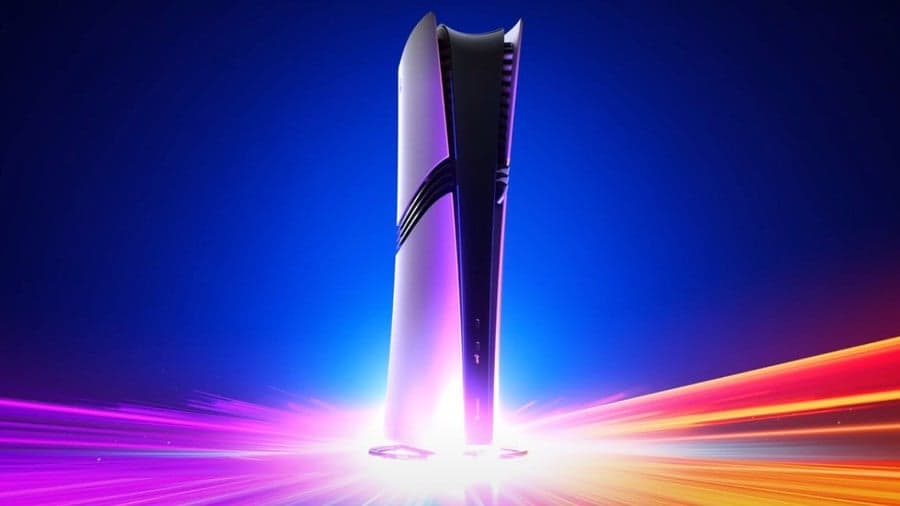
And about those leaders shaping PS6 — Hideaki Nishino and the younger guard — they’ve steered PS5 through a messy generation reset, a mid-gen Pro bump, and a services pivot that now includes Discord voice and better capture/share. The lesson is clear: the features that players remember are the ones they touch every session. Give us quieter thermals, instant party join, snappier store UX, mod support where feasible, and a Creators Mode that turns clips into shareable highlights without exporting to a PC. That will sell consoles as surely as another ray-traced corridor.
If 2027 is the window, dev kits will start locking in soon. This is the moment to prioritize experiences over ego. Yoshida’s message is basically: surprise us with something we feel in the first five minutes and never want to lose. Sony nailed that with the PS5’s SSD and quietly with 3D audio and the DualSense. PS6 needs another one of those “oh wow” moments — the kind that doesn’t require a Digital Foundry split-screen to appreciate.
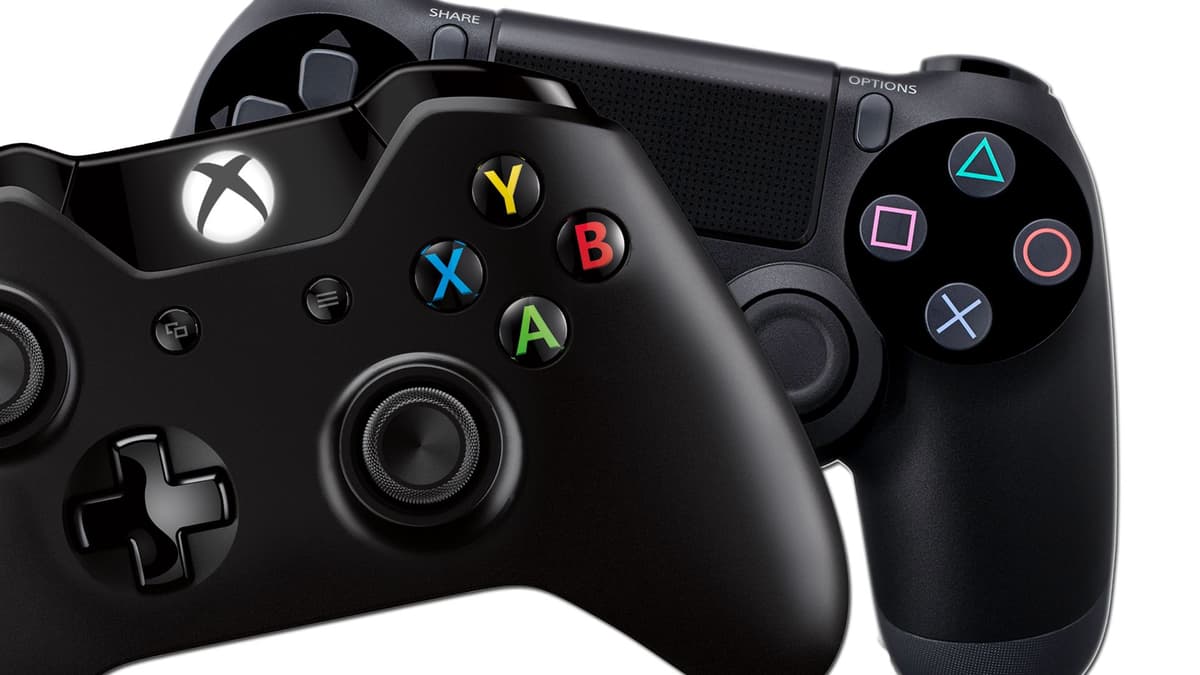
Yoshida’s right: a spec bump won’t define PS6. If Sony turns rumored AI/compute muscle into instant play, smarter upscaling, seamless home-and-away, and controller innovation devs actually use, the next gen will feel new — not just sharper.
Get access to exclusive strategies, hidden tips, and pro-level insights that we don't share publicly.
Ultimate Gaming Strategy Guide + Weekly Pro Tips