
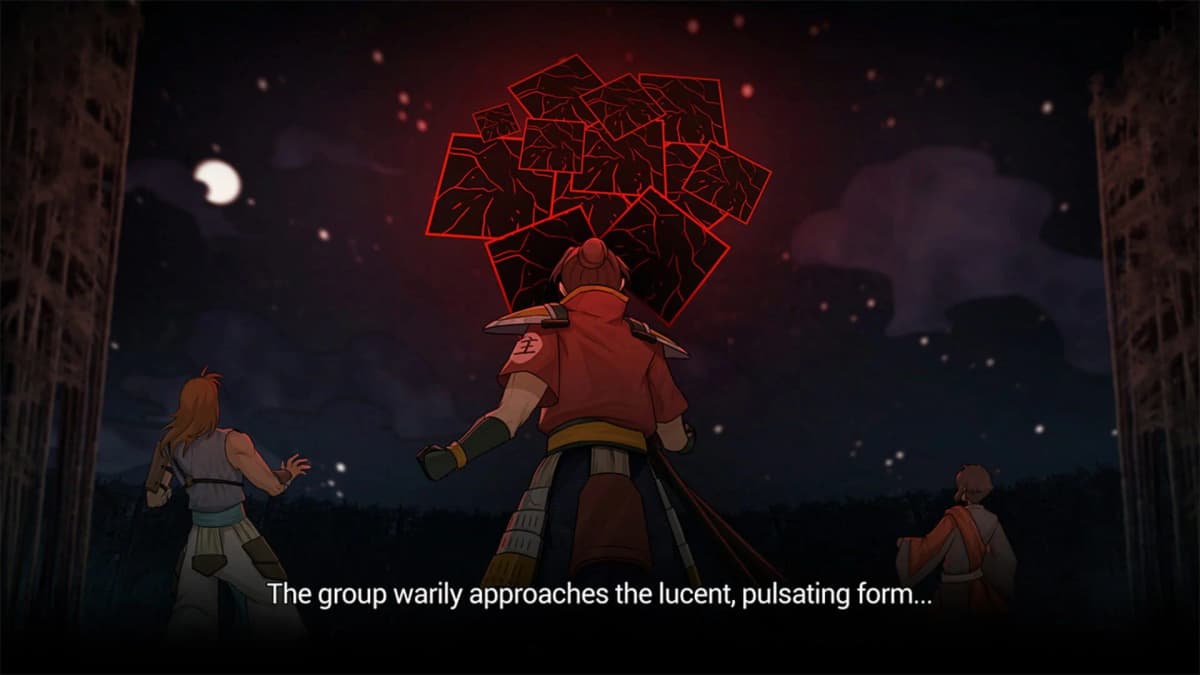
Shujinkou splits its 100-hour JRPG on Switch — smart move or messy math?
Game intel
Shujinkou
Shujinkou’s Switch launch caught my eye – and not just for the 10% pre-order discount
Shujinkou is one of those rare JRPGs people won’t stop DMing me about: an old-school, first-person dungeon crawler that also doubles as a legit Japanese-learning tool. Today’s news? Pre-orders are live on Nintendo Switch with a 10% discount ahead of its October 2, 2025 launch. The twist: on Switch, Shujinkou is split into two full arcs – Genya and Sabaku – with Sabaku sold separately, while PS5 and PC keep both arcs bundled. That split is either a smart way to lower the buy-in on Switch or a headache waiting to happen. Let’s unpack it.
Key Takeaways
- Switch version launches October 2 with a 10% pre-order discount on Standard, Deluxe, and Super Deluxe editions.
- Content split: Genya Arc is in the base Switch game; Sabaku Arc is a separate purchase. PS5/PC include both.
- Price math matters: Standard ($29.99) + Sabaku ($24.99) is $54.98 — cheaper than many “full” JRPGs; pre-ordering Standard trims that further.
- Touchscreen handwriting, hundreds of QoL fixes since February, and continued monthly patches are promising — but Switch performance is the big unknown.
Breaking down the announcement
On Switch, Shujinkou arrives in three editions: Standard ($29.99), Deluxe ($59.99), and Super Deluxe ($69.99). Pre-ordering any of the three knocks 10% off. The catch — or opportunity, depending on your wallet — is that the Standard edition only includes the Genya Arc. The Sabaku Arc is a separate SKU at $24.99 and picks up immediately after Genya’s finale.
If you’re price-savvy, here’s the play: pre-order the Standard for $26.99, then grab Sabaku later for $24.99. That’s $51.98 total for what Rice Games frames as two 40-60 hour arcs. Even at full price ($29.99 + $24.99), you’re at $54.98. If the content holds up, that’s a solid value for a 100+ hour JRPG. PS5 and PC players still get the cleaner proposition — both arcs bundled in one package — but Switch players get a lower barrier to entry, which tracks with portable-first dabblers who want to test the waters.
Rice Games also rolled out new patches and touts “hundreds” of quality-of-life fixes since the February launch. The studio points to strong review aggregates (around 90 on Metacritic and 94 on OpenCritic as of August 2025). Numbers shift, but that’s impressive for a debut project.
Why split on Switch?
This is where my eyebrow goes up. We’ve seen split content used as a sales tactic (think versioned Pokémon) and as a technical/pricing compromise (multi-part epics like Final Fantasy VII Remake). Shujinkou’s split feels closer to the latter: two meaty arcs that can stand alone, plus the realities of the Switch eShop where a sub-$30 entry point is a proven impulse buy. For a portable dungeon crawler, that could be the right call — especially for players curious about the Japanese-learning hook but not ready to commit to a 100-hour sprawl.
Still, this raises practical questions the press release doesn’t answer: Will save data hand off cleanly from Genya to the Sabaku Arc on Switch if they’re separate apps? Is the Sabaku Arc treated as DLC, or a full standalone download? How are shared systems (skills, inventory, galleries) handled across arcs? None of these are deal-breakers, but JRPG fans care about continuity — especially if you’re investing dozens of hours before rolling into the sequel arc.
Want to Level Up Your Gaming?
Get access to exclusive strategies, hidden tips, and pro-level insights that we don't share publicly.
Ultimate Gaming Strategy Guide + Weekly Pro Tips
The gamer’s perspective: portable perks, performance questions
Shujinkou lives in that Etrian Odyssey-adjacent space: first-person labyrinths, turn-based combat that ramps in complexity, and a lot of menus and mastery. That’s catnip for handheld play, and the Switch version adds a genuinely cool trick — touchscreen handwriting practice for kana and a spread of kanji. If you’re the kind of player who already keeps a notebook next to your JRPG, this is borderline perfect. And if you’re not here to learn, the game’s English-only mode lets you keep it a pure dungeon crawl.
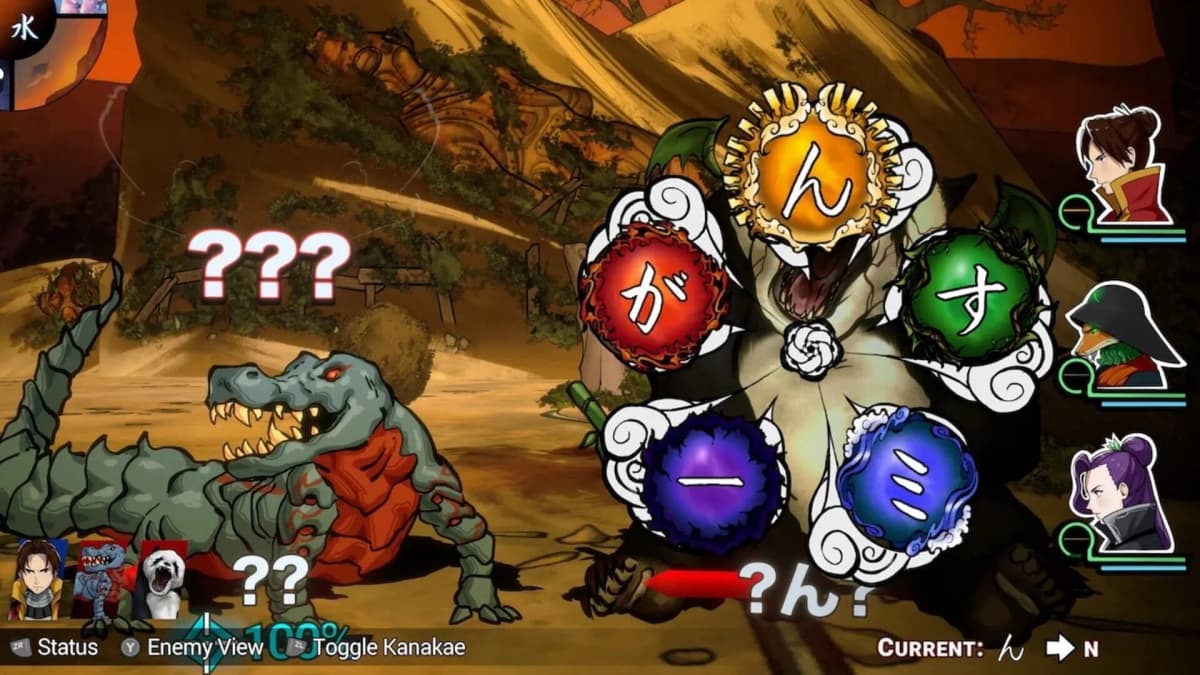
The studio lists 200 quests, six minigames, and a “Platinum” path that averages around 250 hours. That scale excites me and worries me. JRPGs that sprawl can be bliss if the encounter tuning and sidequest writing hold up; they can also turn into attrition wars. The steady cadence of monthly patches is a good sign, and the no-generative-AI production note feels like a deliberate statement in 2025 — especially for a game so rooted in language and culture.
What I’m watching closely is performance. A first-person dungeon crawler isn’t the most taxing genre, but loading, input latency on handwriting, and UI clarity in handheld mode matter a lot. If you’ve played grid-based crawlers on Switch, you know a wonky font or smeary text can drag the whole experience down. Rice Games has had months to iterate; we’ll see if that polish holds up on Nintendo’s hardware.
Value check and what to do now
If you’re Switch-curious, the 10% pre-order on Standard is the sensible entry. Treat Genya as a full game; if it lands, roll into Sabaku for $24.99. If you already know you want the art books, OST, or extras, the Deluxe/Super Deluxe tiers exist — just remember those don’t magically include the Sabaku Arc unless stated; on Switch, Sabaku is its own purchase.
If you’re on PS5 or PC and you care about the simplest setup, you’ve still got the cleaner all-in-one package. But for Switch players who like to sample before they sink 100 hours, the split is a smart compromise — provided save continuity is seamless and performance holds.
TL;DR
Shujinkou hits Switch on October 2 with a 10% pre-order discount and a split release: Genya now, Sabaku sold separately. The math works in players’ favor, the touchscreen handwriting could be a killer feature, and the post-launch polish is encouraging — but I want clear answers on save transfers and a smooth handheld UI before I call it a slam dunk.