
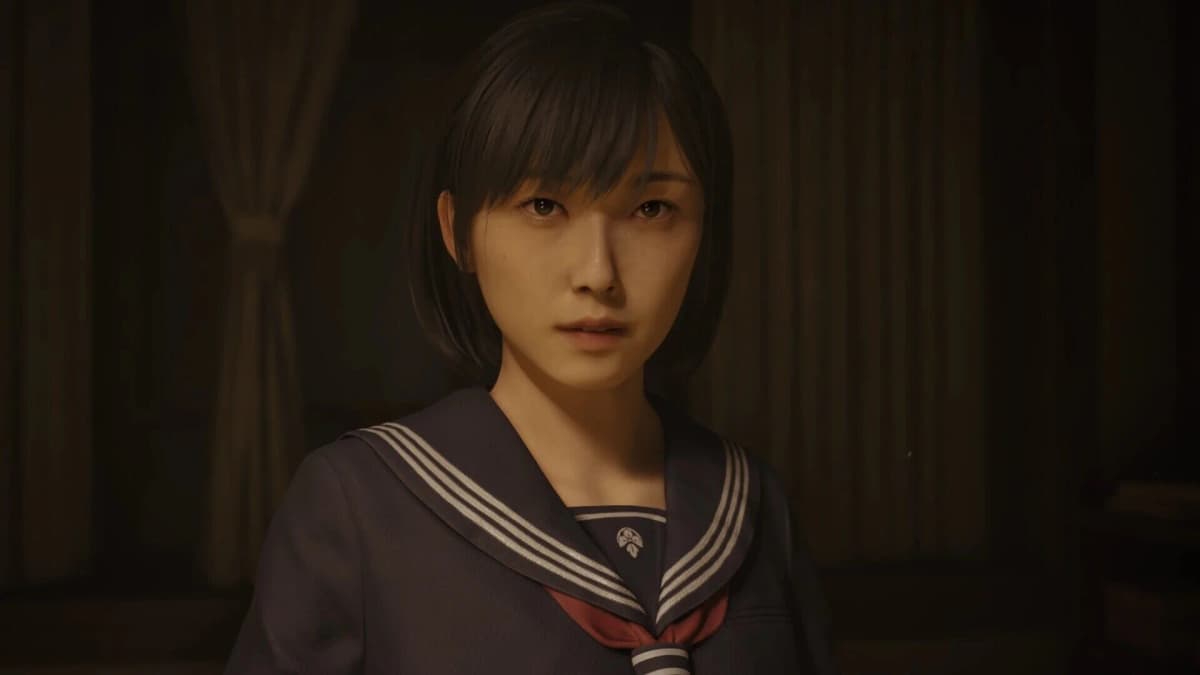
Silent Hill f delivers chilling horror—but the PS5 Pro “Enhanced” mode is a buzzkill
Game intel
Silent Hill f
Hinako's hometown is engulfed in fog, driving her to fight grotesque monsters and solve eerie puzzles. Uncover the disturbing beauty hidden in terror. Silent…
Why this caught my eye
Silent Hill f is the first time the series has felt genuinely fresh in years. A 1960s Japan setting, branching narrative threads, and that creeping, weird horror? That’s a bold swing, and early impressions back it up. But the other reason it grabbed me: the PS5 Pro “Enhanced” mode drama. We’ve hit a bizarre moment where the more powerful console can deliver a messier image than the base model, and that’s kind of the story here.
Key Takeaways
- Silent Hill f lands strong on atmosphere and storytelling-think disturbing creature designs and branching outcomes that actually matter.
- On base PS5, you get clear options: Quality (30 fps) or Performance (60 fps). Performance is the sweet spot.
- PS5 Pro “Enhanced” mode leans on Sony’s PSSR upscaling and introduces shimmer, unstable shadows, and flickery lighting-especially around foliage and reflections.
- This isn’t a one-off: other Unreal Engine 5 titles on PS5 Pro have shown similar quirks, suggesting a broader UE5 + PSSR tension.
Breaking down the release
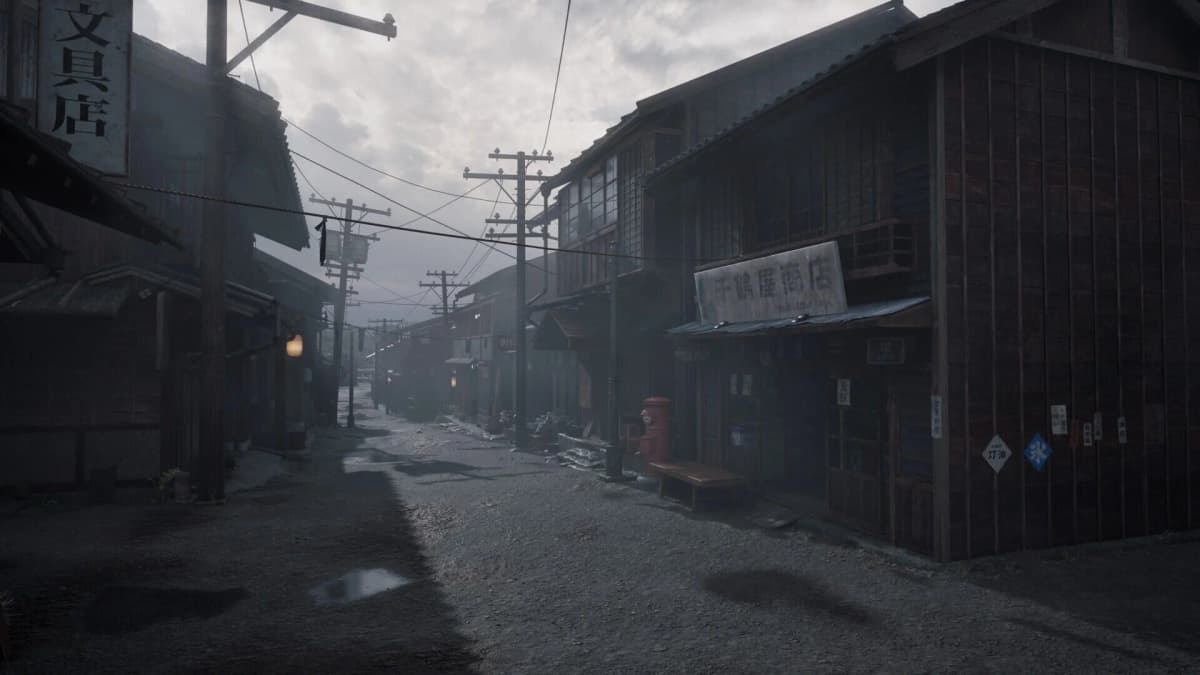
Developed by Neobards Entertainment and published by Konami, Silent Hill f launched September 25 on PS5, Xbox Series, and PC. Setting the horror in 1960s Japan is more than a visual twist-it’s a mood shift. The era’s social tensions and quiet dread fit Silent Hill’s DNA, and players are already calling out the narrative structure for its meaningful branches rather than “pick a color” endings. If you’ve been craving a Silent Hill that’s confident about being unsettling rather than loud, this is it.
Technically, though, it’s a tale of two PlayStations. Base PS5 owners can choose between a 30 fps Quality mode and a smoother 60 fps Performance mode. That kind of clarity is appreciated. On PS5 Pro, that said, you don’t get the same split—you get a single “Enhanced” mode built around Sony’s PSSR upscaler that aims for 60 fps and higher resolution. In practice, that trade-off isn’t paying off cleanly.
What’s actually going wrong on PS5 Pro
Digital Foundry’s analysis and hands-on reports paint a consistent picture: the PS5 Pro Enhanced mode suffers from shimmering in fine detail (grass, fences, hair), unstable shadow edges, and specular highlights that flicker as you move. The culprit appears to be how PSSR is reconstructing the image—Silent Hill f is reportedly rendering at a very low internal resolution (around 720p in some cases) and being scaled up to 4K.
On paper, that’s how modern reconstruction works. In practice, PSSR’s output in this game seems to interact poorly with ray tracing and ambient occlusion. Reflections look noisier than they should, and AO can “crawl,” making the world feel unstable. The twist: some scenes look cleaner on a base PS5 than on the Pro because the standard console isn’t leaning as hard on aggressive reconstruction.
As someone who plays a lot of UE5 games on console, this doesn’t shock me. UE5’s advanced lighting and heavy post-processing demand upscalers that are tuned per-title. If the PSSR path isn’t dialed in—and if the internal resolution is too low—any sparkly foliage, subpixel detail, or high-contrast edge turns into a shimmer party. In horror games, that’s extra painful because the vibe depends on stillness and clarity in darkness.
This is bigger than one game
Silent Hill f isn’t the first to trip here. The Silent Hill 2 remake and Metal Gear Solid Delta both had PS5 Pro oddities that compared poorly to base PS5 in certain scenarios. Spot the pattern: Unreal Engine 5 titles leaning on reconstruction + ray-traced effects = an image that can feel unstable if the upscaler isn’t perfectly tuned. The PS5 Pro badge doesn’t guarantee a better experience; it just means there’s a Pro-specific profile. That’s a crucial distinction players are learning the hard way.
There are rumblings of future system-level improvements to PSSR, but even if Sony ships updates down the line, per-game patches will still matter. Image pipelines are bespoke. Konami says it’s tracking feedback, and I’d expect stability and reconstruction passes to be high on the patch list.
Want to Level Up Your Gaming?
Get access to exclusive strategies, hidden tips, and pro-level insights that we don't share publicly.
Ultimate Gaming Strategy Guide + Weekly Pro Tips
What gamers should do right now
If you’re on a base PS5, pick Performance mode for a cleaner overall experience at 60 fps. Quality can work if you absolutely need higher native detail, but the game’s vibe benefits from fluid motion and less latency. On PS5 Pro, if you’re sensitive to shimmer or flicker, consider holding off for patches. You don’t get a mode toggle, so you’re stuck with the Enhanced profile for now. If you have access to both consoles, the irony is real—the base PS5 might actually feel better in motion today.
On PC, early chatter suggests the port is solid, but—as always with UE5—your results will hinge on your upscaler choice (DLSS/FSR/TSR) and settings around post-processing and RT. If you’re chasing stability, start with upscaling on a Quality preset, cap to 60, and dial back RT until shimmering settles.
The gamer’s perspective
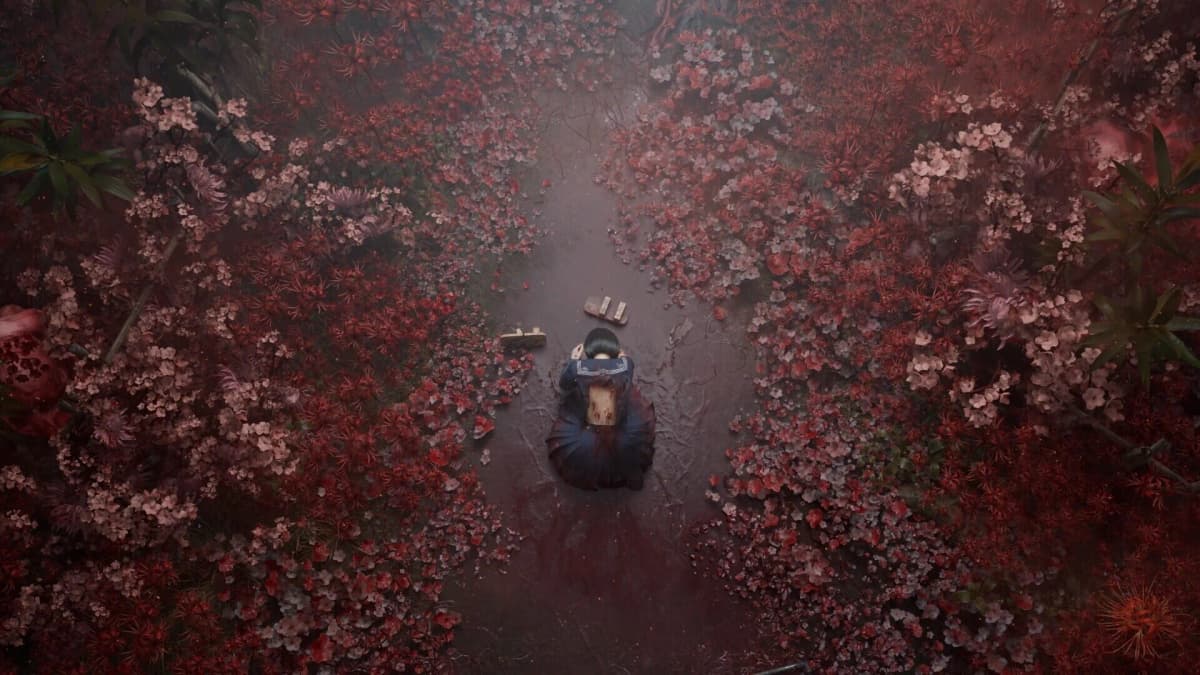
This isn’t me dunking on the PS5 Pro. Mid-gen refreshes are great when they give players options. The issue is the lack of options: one Enhanced mode, heavy PSSR reliance, no fallback. Silent Hill f deserves better because the game underneath is compelling—its surreal imagery, suffocating soundscape, and branching dread are the most “Silent Hill” the series has felt in ages. But horror is fragile. Visual instability ruins tension faster than a cheap jump scare.
My hope? Neobards and Konami push a patch that reduces reconstruction artifacts on PS5 Pro, or at least add a Performance toggle with a less aggressive pipeline. Until then, if you value image stability, the baseline PlayStation might be the safer place to get lost in the fog.
TL;DR
Silent Hill f is a strong return for the series, with a haunting 1960s Japan setting and meaningful narrative branching. But PS5 Pro’s single “Enhanced” mode uses PSSR too aggressively, causing shimmer and RT oddities that undercut the mood. Base PS5 owners: pick Performance mode. PS5 Pro owners: consider waiting for patches.