
Table of Contents (9)
Why Silent Hill f Caught My Attention
Silent Hill f had me side-eyeing the announcement at first. After Silent Hill 2 Remake restored some faith, Konami handing a new mainline entry to Neobards-a studio known more for co-development (Resident Evil Resistance, RE:Verse) than full auteur horror-felt risky. Add early chatter about “Souls-like combat,” and alarm bells were ringing. Then I played the opening four hours. The pitch is sharp: a 1960s Japanese setting, a story penned by Ryukishi07 (Higurashi, Umineko), Akira Yamaoka back on the soundtrack, and a resource-and-sanity loop that forces real survival decisions. This isn’t a cheap action pivot; it’s a measured, often unsettling return to a very Japanese flavor of Silent Hill.
Key Takeaways
- Despite rumors, it’s not a Souls-like. Melee is deliberate, resource-tied, and often better avoided than engaged.
- Ryukishi07’s unreliable-narrator energy fits Silent Hill frighteningly well, with puzzles tied to character psychology and multiple endings.
- The Faith/Omamori system turns offerings into permanent perks or stat boosts, pushing tough calls against three survival meters.
- 1960s Ebisugaoka looks and feels distinct-red spider lilies, natural fog, and a shrine-corrupted Otherworld—while Yamaoka’s score does heavy lifting.
Back to Japanese Horror: 1960s Ebisugaoka
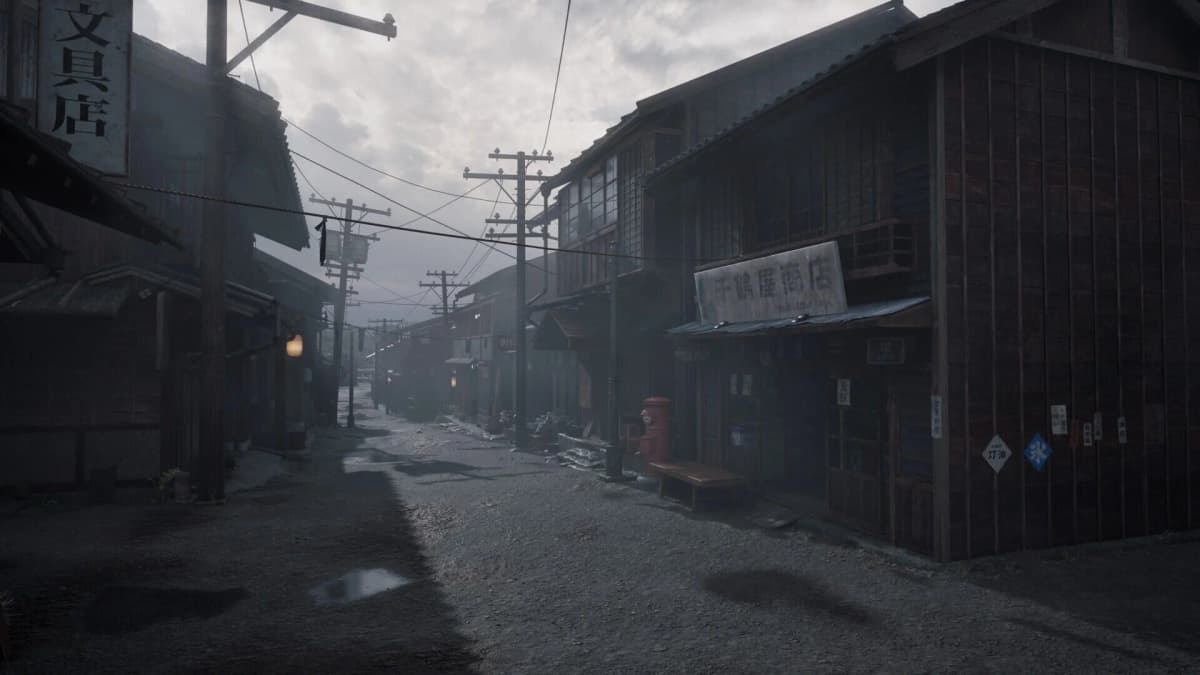
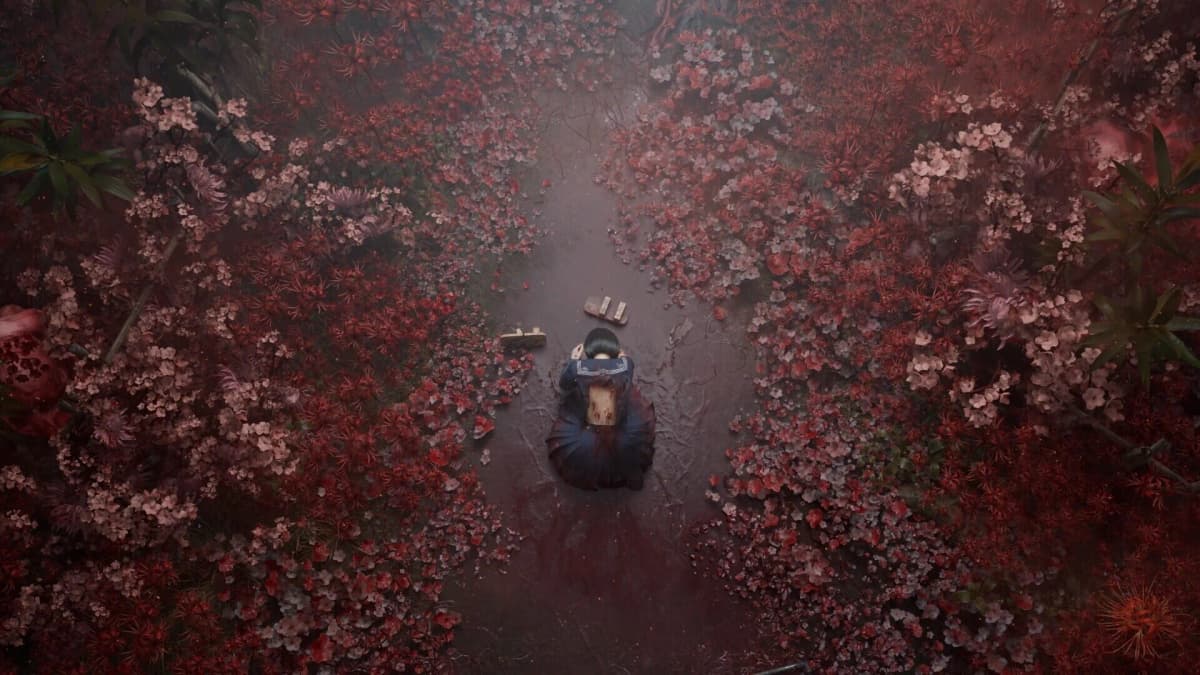
Konami’s stated goal was to “reconnect with Japanese horror,” and you feel it immediately. Set in the ’60s in the fictional town of Ebisugaoka (inspired by the mountain hamlet of Kanayama), Silent Hill f leans into narrow streets, countryside edges, and a beauty-dread duality. Red spider lilies pepper the landscape—gorgeous, ominous, and narratively loaded. Unreal Engine 5 can look generic when teams lean too hard on stock lighting, but here it’s wielded with care: crisp textures, convincing natural light, and most importantly, fog that feels like a living presence instead of a post-process filter. It’s a smart visual thesis for Silent Hill’s DNA.
The Otherworld trades Western-industrial rust for something uniquely unnerving: traditional shrine complexes twisted and corrupted. It’s familiar Silent Hill disorientation through a new cultural lens, and it works.
Combat Reality vs. the “It’s Souls-like” Panic
Let’s kill the meme: this isn’t Souls. Yes, you’ve got light/heavy attacks, perfect dodges, counter windows, stamina management, and timing matters. But the intent is tension, not power fantasy. You’re playing Hinako, a high-schooler who moves with believable rigidity—not clumsy, but hardly an action hero. Weapons are melee only and degrade. You can repair them with toolboxes, but those are scarce enough that you think twice before swinging. Enemies don’t drop loot, so there’s no incentive to clear rooms beyond survival or space to explore. The design gently nudges you toward avoidance—run, hide, reposition—until fighting is necessary.
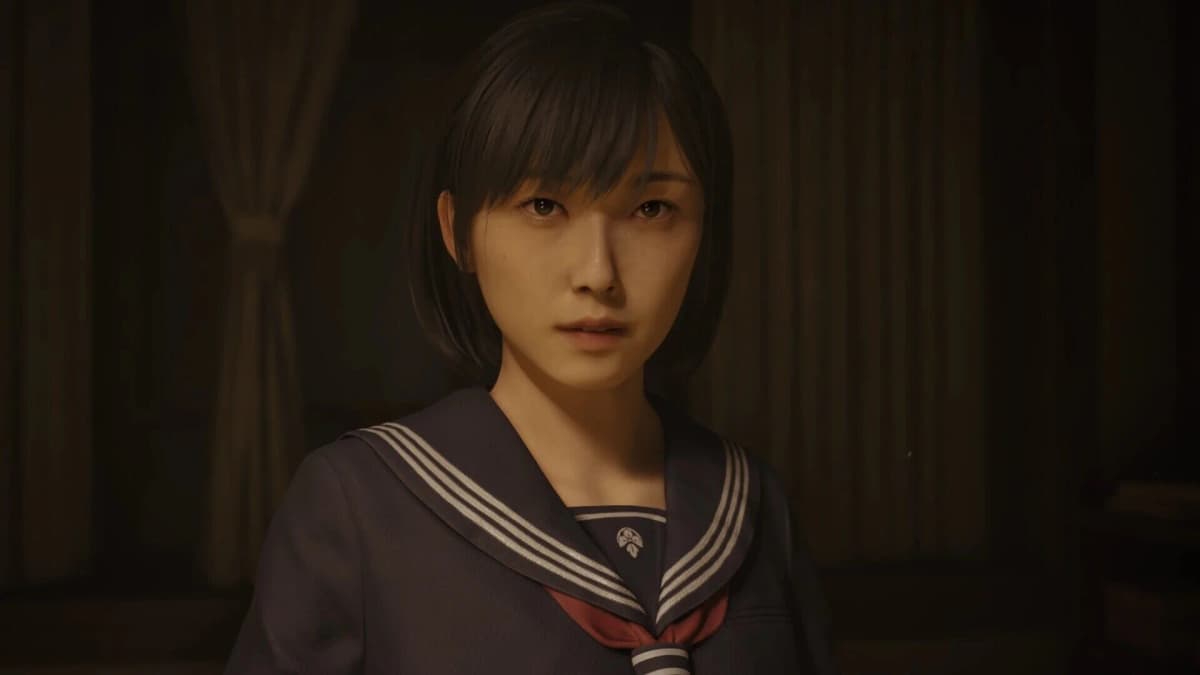
Some encounters are straight-up survival trials. One early set piece had me cranking a mechanism while an unbeatable creature stalked the room. Elsewhere, an “immortal” pursuer loops back in puzzle sections, keeping your brain and nerves frazzled. The only worry right now is feedback: collisions can feel chunky, and hit confirmation lacks a touch of bite. It’s not a deal-breaker, but it’s the one area I hope gets polish before launch.
Puzzles, Perspective, and That Ryukishi07 Energy
Silent Hill f’s narrative is properly cryptic, but the twist is Ryukishi07’s signature: fragmented perspective, unreliable perception, and horror that bleeds from social tension into the supernatural. Hinako’s senses lie to her—and to us—often enough that every hallway feels suspect. That ambiguity isn’t just vibes; it feeds the puzzle design. One standout forced me to “think like” a young girl to identify the correct scarecrow. Pick wrong, and the others attack. It’s a neat blend of metaphor and mechanics that channels classic Silent Hill without copy-pasting past tricks.
Crucially, puzzles don’t pause the terror. Enemies intrude, stalk, and harass while you scribble on a handwritten journal or navigate a sketchy, diegetic map. And, yes, multiple endings return—so choices and performance matter.
Systems That Matter: Faith, Omamori, and Sanity
Here’s the glue that holds the survival loop together. Offerings you find—your “consumables”—can be sacrificed at sanctuaries to generate Faith, a spiritual currency. Spend Faith to draw omamori talismans (passive perks like better dodging or stealth) or to permanently buff Hinako’s stats. The push-pull is immediate: keep items for emergency healing, or sacrifice them now to become stronger later?
Three meters reinforce those trade-offs: health (physical), mental health (sanity), and stamina. Sanity erodes around the uncanny—distorting sights and sounds, complicating navigation and threat assessment. It’s not just a debuff; it’s a pressure cooker for decision-making. For folks who want pure story, a Narrative difficulty softens combat and largely takes sanity off your plate; sanctuaries even auto-refill mental health there. I played on the balanced setting, and bosses hit hard enough to demand respect.
Sound That Gets Under Your Skin
Akira Yamaoka returns, joined by Kensuke Inage, and the result is classic Silent Hill unease filtered through Japanese instruments and vocal textures. It’s mournful one second, needling the next. The sound design doubles as gameplay: you’re parsing creaks, breaths, and distant footfalls to avoid ambushes. It’s the rare horror score that elevates tension without shouting “boo!” every five seconds.
Concerns and Open Questions
Neobards stepping up from support work to steward a full Silent Hill is still a question mark. The first hours are promising, but can they sustain puzzle creativity, enemy variety, and narrative momentum over the full runtime? Weapon durability feels fair now—helped by repair scarcity—but could tip into frustration if late-game tuning is off. And while UE5 carries the mood beautifully, traversal collisions and hit feedback need a final pass. Performance was fine for us, but a preview slice isn’t a launch build—cautious optimism only.
TL;DR
Four hours in, Silent Hill f nails a distinctly Japanese horror vibe without abandoning the series’ psychological backbone. Measured melee, a smart Faith/omamori economy, and sanity-driven pressure make survival tense instead of grindy. If Neobards tightens combat feedback and keeps the puzzle/story quality up, this could be the Silent Hill curveball that actually lands.
FinalBoss // Gear
Level up your setup
01Top-rated gaming headsetson Amazon→02High-refresh gaming monitorson Amazon→03Gaming chairson Amazon→04Discounted game keyson Kinguin→Affiliate links · As an Amazon Associate, FinalBoss earns from qualifying purchases.
Want to Level Up Your Gaming?
Get access to exclusive strategies, hidden tips, and pro-level insights that we don't share publicly.
Ultimate Gaming Strategy Guide + Weekly Pro Tips