
Silent Hill f Isn’t a Soulslike—And That’s Actually a Good Thing
Game intel
Silent Hill f
Hinako's hometown is engulfed in fog, driving her to fight grotesque monsters and solve eerie puzzles. Uncover the disturbing beauty hidden in terror. Silent…
Why I’m Glad Silent Hill f Isn’t ‘Just Another Soulslike’
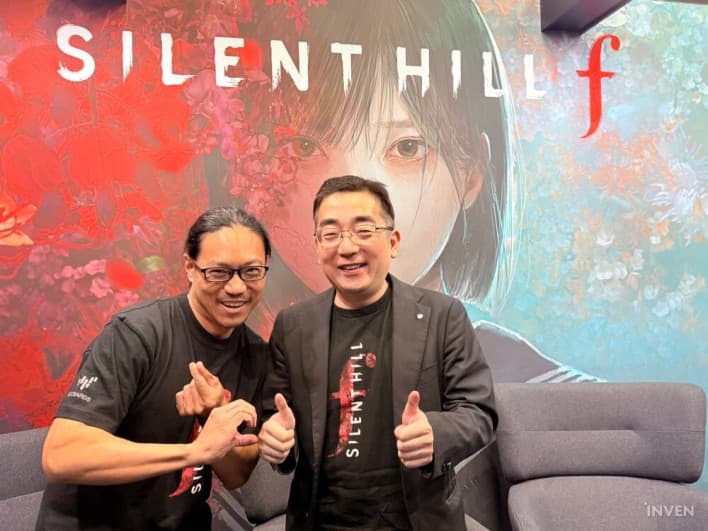
I’ll admit, when early gameplay snippets of Silent Hill f started circulating, I understood why the soulslike comparisons popped up-there’s stamina management, dodges, even some tricky boss encounters. But when Ai Yang, the game’s director, flat-out said at Gamescom that this isn’t a soulslike, I let out an internal sigh of relief. As much as I love a tense FromSoft duel, I don’t want every horror game shoved through the same mold. And that’s especially true for Silent Hill, a franchise that defined psychological horror before “soulslike” was ever a twinkle in a Tarnished eye.
- Silent Hill f focuses on horror-driven action, not punishing soulslike loops.
- Director Ai Yang shot down the label, saying stamina and dodging aren’t exclusive to FromSoft games.
- Combat is tuned to protagonist Hinako’s vulnerability, not power fantasy.
- The game’s narrative and atmosphere are driving the fear, not sheer difficulty.
The Real Story: What ‘Soulslike’ Actually Means (and Why f Doesn’t Care)
It’s obvious why the label stuck: we’ve reached peak “soulslike” fever in the gaming community. If a game has a stamina meter and a dodge roll, everyone wants to lump it in with the subgenre. But as Ai Yang pointed out, Silent Hill 3 had those features way back in 2003-and nobody called it a soulslike then. The difference, and this matters, is intent: in FromSoft games, you overcome brutal systems as much as monsters, and death is just part of progression. Silent Hill f, by contrast, is about weaponizing your fear and navigating horror at a more human scale.
This is a welcome shift for me personally: horror games lately have been chasing trends more than atmosphere. With Silent Hill f, the devs at NeoBards are doubling down on narrative tension and creature design-building their challenge around the fact that Hinako isn’t a knight, a samurai, or a super soldier. She’s a scared teenager in 1960s Japan, more hesitant than heroic. Every pipe swing or last-ditch dodge is meant to feel desperate, not empowering.
Combat, Challenge, and Fear—But Not the Soulslike Kind
So what actually sets Silent Hill f’s combat apart? Based on hands-on impressions, the action prioritizes atmosphere and realism over flashy combos or brutal checkpoints. It’s not about “getting good” in the FromSoft sense; it’s about surviving with scarce resources, making tough choices, and feeling the fear with every encounter. There’s resource management (yes, stamina), but it’s a tool for anxiety, not mastery. Weapons feel weighty and clumsy, like something a frightened teenager would desperately wield, and the focus bar system is less about cool-down timers and more about empowering just enough hope to get you through the next scare.
Battles, especially with bosses, are challenging. That much is clear. But the structure is pure Silent Hill: the monsters and obstacles are psychological as much as physical. Focusing too much on the combat mechanics misses the point—the game wants you to feel outmatched, not invincible. It’s still a horror story at its core, not just a test of mechanical skill.
Why the Soulslike Label Actually Undercuts What’s Special Here
Frankly, slapping the soulslike tag on every hard action game is getting a bit lazy. If anything, calling Silent Hill f a soulslike misses the series’ roots and what makes this entry fresh. This is a game that leans into mood and story, not just mechanical punishment. Gamers should want Silent Hill f to succeed because it dares to be different—rooting its horror in context, narrative, and psychological design, rather than just capitalizing on a buzzword. It’s a reminder that challenging gameplay doesn’t always mean soulslike, and that horror can thrive outside FromSoft’s shadow.
TL;DR
Silent Hill f is not a soulslike—it’s a horror-driven action game that puts fear and vulnerability at the center. Don’t expect a FromSoft clone; expect a scary, atmospheric journey that respects the series’ roots and lets horror, not just hardness, do the heavy lifting.