
Why AI Isn’t the Next Silent Hill Mastermind
Game intel
Silent Hill f
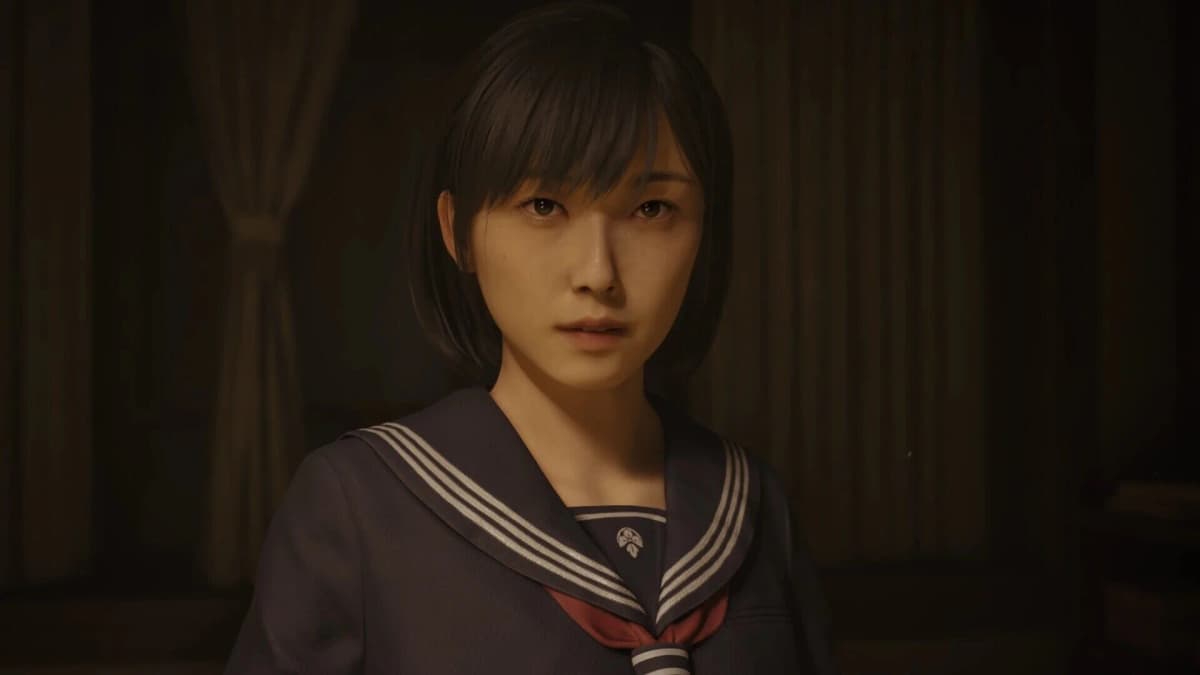
Hinako's hometown is engulfed in fog, driving her to fight grotesque monsters and solve eerie puzzles. Uncover the disturbing beauty hidden in terror. Silent…
“AI could never have created Silent Hill f,” said Motoi Okamoto at a 2025 industry panel. That challenge cuts to the core of a raging debate: can generative AI truly craft a masterpiece of horror?
Why This Caught My Attention
As someone who devours horror releases and devours postmortems, hearing Silent Hill producer Motoi Okamoto dismiss AI’s capacity to spawn Silent Hill f made me sit up. It wasn’t just a spicy soundbite—it dropped into the heart of 2025’s loudest industry spat over whether generative AI can really deliver a great game. Silent Hill f scored 86% on Metacritic and earned praise for its unnerving tone and introspective storytelling. Okamoto’s point was razor-sharp: none of that came from a prompt.
Key Takeaways
- AI can power systems and content, but true authorship still drives unforgettable horror.
- Silent Hill f’s originality comes from “bold human choices”—setting it in rural Japan and enlisting Ryukishi07 didn’t happen by algorithm.
- Adaptive-horror experiments are promising but struggle with narrative cohesion and taste.
- Expect a hybrid future: humans direct, AI assists. Don’t fall for “solo-AI masterpiece” hype.
Breaking Down the Comments
Okamoto was directly countering remarks by Hideo Kojima, who recently mused that generative AI could reshape game creation from concept to cutscene. Okamoto’s riposte was succinct: “AI could never have created Silent Hill f,” adding that its originality sprang from “bold human choices,” like “choosing rural Japanese folklore” and “bringing in Ryukishi07.” This wasn’t spreadsheet logic—it was a team of creators making purposeful bets.
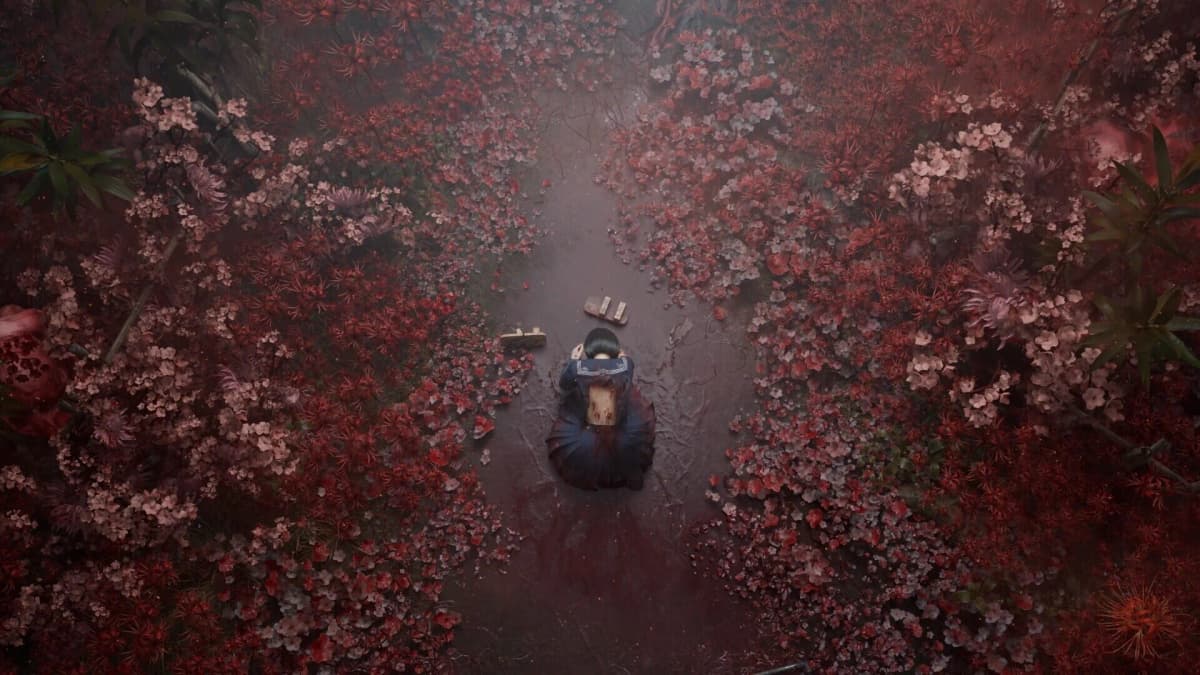
If you’ve followed Silent Hill’s evolution, you know the series shines when it mirrors personal and collective fears through unsettling environments. That delicate asymmetry between atmosphere and narrative is hard to distill into a vibe model. Placing f in a decaying Japanese mansion with grotesque floral motifs doesn’t just look cool—it reframes guilt and body horror through local myths. Bringing in Ryukishi07 (When They Cry) is another human gamble: his knack for withholding reveals leaves you unsettled long after the credits roll.
The Real Story for Horror Gamers
Horror lives and dies by authorial intent. Cheap jump scares are noise; the slow rot under your skin is authored. Alan Wake 2 built tension with metatextual commentary and rhythmic pacing. Resident Evil 4 Remake innovates through tactile combat and precise encounter design. Silent Hill f emphasizes isolation, guilt, and transformation. These thematic axes don’t emerge from generative patterns—they come from deliberate, human-led decisions. AI can remix known tropes, but it struggles to say something new.
When publishers tout “AI-generated horror,” I always ask: who frames the experience? Who dials up silence in a critical corridor? Who lets the monster’s growl speak louder than a cutscene? Tools don’t make those calls—directors do. You instantly sense the difference between a scene designed around a thesis and one assembled from a bag of spook-the-player parts.
Case Study: Two Adaptive-Horror Experiments
Adaptive horror is all the rage: systems that profile your fear responses and tweak scares in real time. A.I.L.A. is one such indie marvel. It uses biometric sensors—heart rate, sweat resistance—to detect stress. If you freeze at dark corridors, it amplifies ambient tension with subtle audio cues. Players praise the uniqueness of each playthrough, but forums reveal a pattern: once the system hits its threshold, it cycles predictable scare patterns, undercutting long-term tension. With no narrative scaffold steering the AI, you get memorable moments but no lasting emotional arc.
The second case is Matt Shumer’s viral AI-generated horror demo, which many gamers encountered on YouTube. It stitched together procedurally generated hallways, random monster spawns, and AI-written dialogue. Early impressions were “impressive tech,” until players noticed wandering objectives, dialogue that reset stakes mid-scene, and sudden tone whiplash when serious story beats gave way to nonsensical jump scares. The moment players realized the AI was blindly timing “scares,” the immersion shattered. You need a guiding purpose, not just dynamic tweaks.
Okamoto’s critique slots right in: Silent Hill f didn’t just optimize fear triggers; it chose a thesis and then built every system in service of that theme. That’s authorship. AI can assist, but it can’t invent the purpose.
Want to Level Up Your Gaming?
Get access to exclusive strategies, hidden tips, and pro-level insights that we don't share publicly.
Ultimate Gaming Strategy Guide + Weekly Pro Tips
Side-By-Side Design Comparison
To see where human direction still outpaces generative AI, let’s compare Silent Hill f with two contemporary horror hits:
- Alan Wake 2 – Emphasizes narrative layering and rhythmic pacing. Its scares arise as much from story revelations as from environmental threats. The writing team mapped out chapter arcs where tension ratchets up, then lets players breathe before plunging deeper. AI-driven content could vary lighting or enemy spawns, but a machine wouldn’t know where to pause or accelerate the plot.
- Resident Evil 4 Remake – Focuses on precision combat loops, resource scarcity, and escalating world design. Each locale introduces distinct enemies, always building on prior encounters. Developers crafted enemy behaviors and item placements to create a dance of terror. AI might randomize enemy positions, but it can’t guarantee the pacing that makes each firefight feel meaningful.
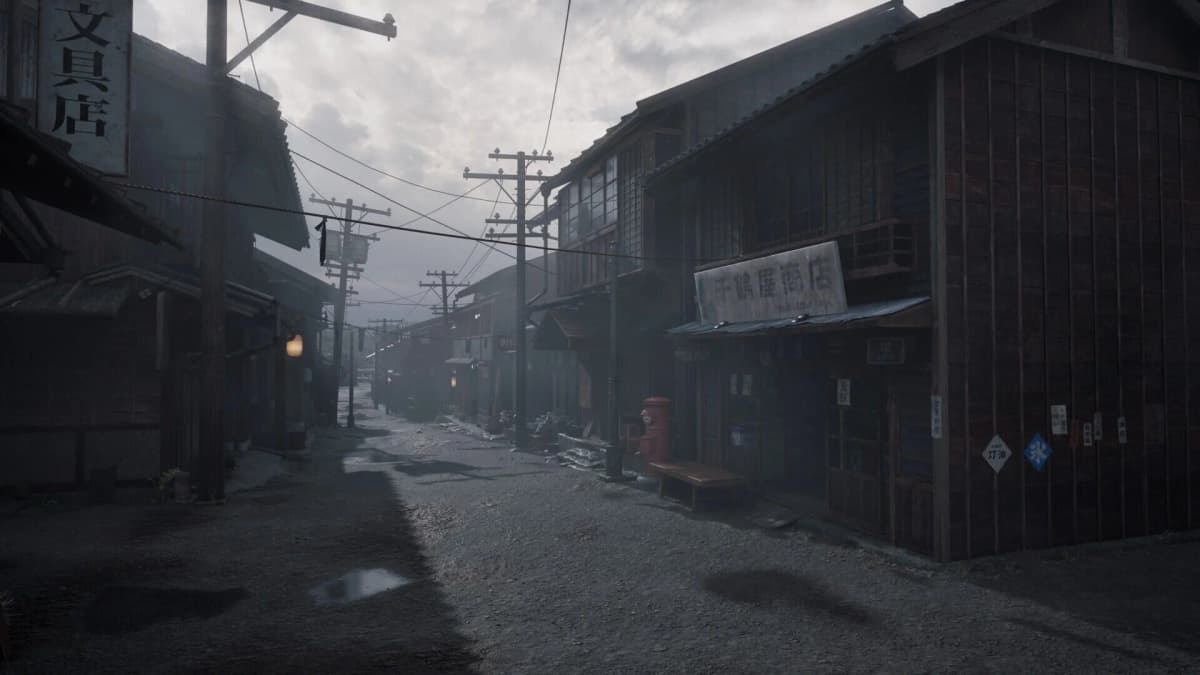
- Silent Hill f – Leans into isolation, psychological dread, and cultural motifs. From day-one concept, the team set a thematic spine: guilt and transformation viewed through Japanese folklore. Every art asset, audio cue, and narrative pivot was measured against that spine. That level of integrated vision demands human curation.
Developer Context and Release Metrics
Silent Hill f launched in early 2025 as the first mainline entry since 2012. It debuted to an 86% Metacritic score, with critics praising its “introspective storytelling” and “unnerving atmosphere.” At the same event where Okamoto spoke, Hideo Kojima also weighed in, suggesting AI could handle procedural tasks and even suggest story beats. Okamoto’s riposte reminded everyone: “Generative AI might accelerate prototyping, but it won’t replace the director’s vision.”
This release context matters. Mid-tier and indie teams faced skyrocketing budgets and schedules. AI tools promised to shave development time by generating preliminary art, rigging faces, or scripting minor NPC dialogue. Those of us tracking postmortems have seen pipelines where AI drafts 70% of prop models, then artists refine the rest. That’s real progress. But the game’s core—its message and emotional thrust—still sprang from human choices.
What AI Can Actually Do Today
AI excels at grunt work: procedural layout variations, adaptive difficulty that gauges your stress via controller inputs, smarter enemy pathing powered by machine learning, accelerated facial rigging through MetaHuman, and dynamic VO barks driven by voice-cloning models. On paper, that makes horror more responsive, more affordable, and faster to iterate. I love when a game detects my camping and punishes me with a noise lure—those reactive moments feel fresh.
Where AI stumbles is narrative coherence and taste. We’ve all seen those viral demos: assets mismatch, objectives peter out, tone whiplash kills immersion. Horror hinges on deliberate pacing; once your brain spots the puppet strings of a generator, the magic is gone. If a monster materializes because a model calculated “scare index = high,” you hear the gears turning. But if it appears because the story demands a reckoning with your guilt, you feel true dread.
Looking Ahead: The Hybrid Reality
The smartest studios are forging hybrid pipelines. AI handles repetitive tasks—block-out level geometry, fill crowd scenes, generate grunt-enemy behaviors—so designers can focus on high-impact choices. That’s a game changer for indies and mid-sized teams that lack AAA budgets. But the pitch that “AI alone will compose a full, coherent horror classic” remains fantasy. If we ever reach that point, it’ll be because humans have meticulously taught AI taste, then curated every output.
So when a dev stands on stage and says, like Okamoto, “AI couldn’t have made this,” I don’t hear tech scorn. I hear a reminder that the scariest part of horror isn’t the math—it’s the meaning. Silent Hill f works because someone picked a place, a voice, and a wound to probe. That’s the bold human choice you can’t automate.
Actionable Takeaway for Developers
Leverage AI for efficiency: procedural props, adaptive difficulty, and voice prototyping. But reserve thematic direction, scare timing, and narrative arcs for human teams. Build an art bible and story thesis first—then use AI to populate around that spine. That hybrid approach unlocks both productivity and genuine emotion.
TL;DR
AI powers systems and speeds production, but true horror needs human-led themes and narrative intent—Silent Hill f’s “bold human choices” remain unautomatable.