
Treating a promotional prop as a lottery ticket is how Silent Hill fandom turns a clever piece of game marketing into a $3,000 guessing game. The outrage around the Silent Hill: Townfall CRTV listing is understandable, but the loudest number in the story is also the least useful one: an active eBay bid.
Anyone declaring the CRTV worth $3,050 because an auction reached $3,050 is selling fantasy. That figure reflects 69 bids on a live listing scheduled to end on October 4. Earlier snapshots put the bid at $1,625 and then $2,225. Those numbers show that attention snowballed. They do not show a completed payment, a durable resale price, or a reliable market for the item.
Table of Contents (5)
The CRTV matters because Townfall made it matter
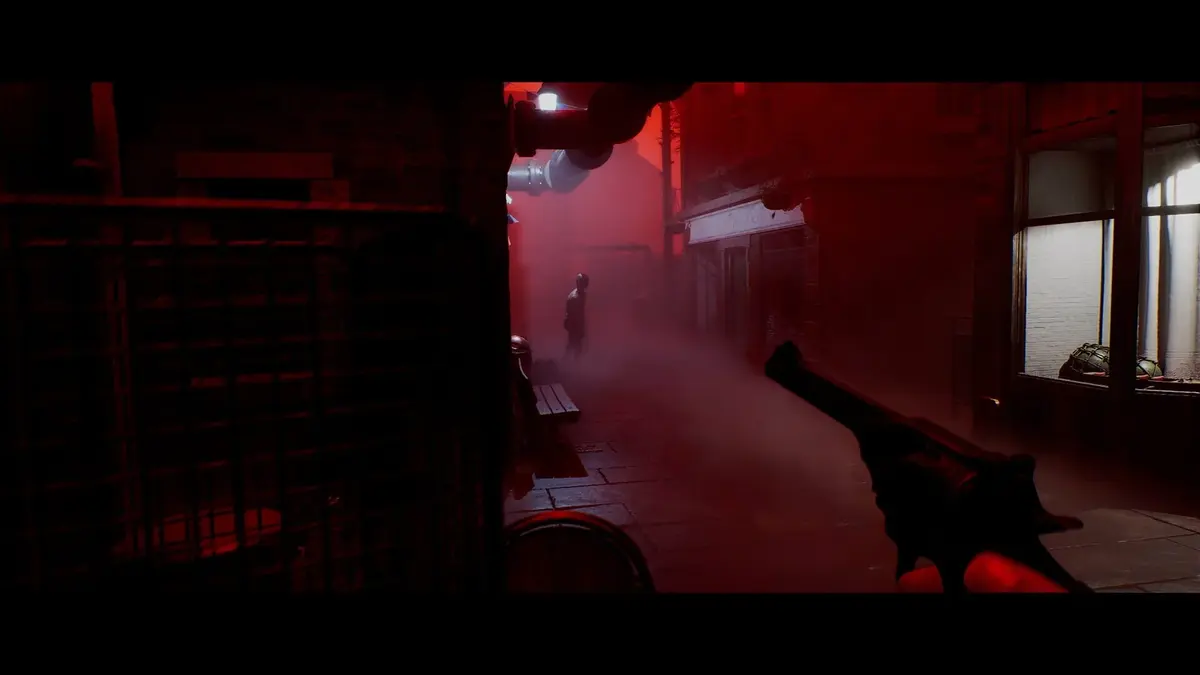
The object has genuine appeal because the CRTV is central to Silent Hill: Townfall itself. Screen Burn Interactive built the first-person survival-horror experience around Simon Ordell arriving on the cold shores of St. Amelia in 1996 with little more than this strange pocket television and radio device.
Simon uses the CRTV to tune unstable frequencies, uncover clues, catch cryptic video loops, and locate threats through visual feeds. It supports Townfall’s stealth-heavy rhythm: crouching behind cover, peeking around danger, slipping into wardrobes or lockers, and creating distractions with radios, bottles, and other thrown objects. The device is the game’s pressure valve. It gives the player information while making that information feel unnervingly partial.
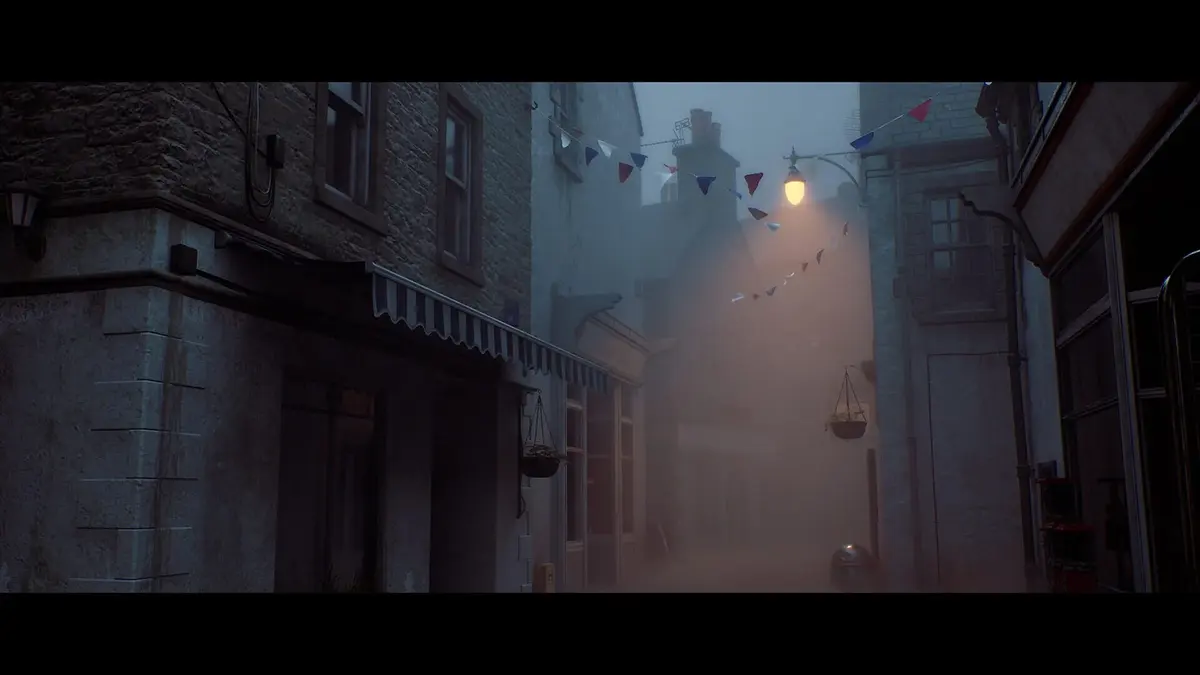
That is why a physical replica has more pull than a random branded trinket. Townfall’s deserted Scottish island town, CEG’s damage to St. Amelia, Zoe reaching Simon through the CRTV, retro pay phones, floppy disks, dot-matrix printer noise — the whole package is built around decaying 1990s technology. A functioning CRTV that plays promotional material is a smart press item because it touches the game’s actual identity.
It also explains why fans reacted badly when one entered an auction. A scarce promotional gift feels like access to a community moment. Putting it up for sale immediately turns that moment into a bidding war for whoever has the deepest pockets. People are allowed to sell property they receive, but fans are equally allowed to call the move crass. That part of the backlash requires no conspiracy theory.
What the listing proves, and where the story stops
The eBay seller, “restlessradish,” described the CRTV as an item received directly from Konami. The seller also stated that it powers on and plays promotional videos. Those are the listing’s claims. The public details around the auction do not include a Konami statement identifying the recipient, documenting the distribution rules, or tying that exact unit to an official shipment.
The claimed production run of 100 units has the same problem. A promotional batch of 100 functioning CRTVs sent to press or creators is a compelling story, and it has been repeated often enough to become the headline. Yet the number alone does not identify the eBay unit. Without a numbered edition mark, certificate, packaging trail, or documentation connecting the object to its recipient, “one of 100” is scarcity branding rather than a buyer-facing fact.
The real CRTV mechanic in Silent Hill: Townfall does not fill that gap. Townfall’s official game descriptions establish that the handheld device exists in the game and drives detection, exploration, and story progression. They do not authenticate a separate physical collectible. Confusing those two things is the shortcut that turns a plausible listing into an assumed certainty.
There is also no evidence here of a counterfeit scheme or a completed scam. The anger is about flipping a limited promotional item, while the buyer risk is about paying a premium before the object’s provenance and condition are properly demonstrated. Those are related issues, but they are not the same accusation.
Active bids are hype, not a price guide
An auction is designed to make people mistake urgency for value. A rising price can mean two collectors truly want the item. It can also mean the listing went viral, bidders are reacting to each other, or someone wants the story attached to the object more than the object itself. Silent Hill collectibles have passionate buyers, and Townfall’s CRTV is tailor-made to trigger fear of missing out. That still leaves one essential benchmark missing: a completed, paid sale of a comparably documented unit.
The $1,625, $2,225, and $3,050 figures are snapshots of escalation. None should be treated as a final sale record. Until an auction ends, payment clears, and the transaction remains intact, the quoted number is a moment of attention. Even a completed sale would establish only what one bidder paid for one unit under one burst of publicity.
That is the part collectors often hate hearing. Rarity does not automatically create a stable value floor. A 100-unit press collectible could become highly desirable, or it could become an expensive artifact from a promotion cycle whose heat vanished after launch. The difference comes down to documented authenticity, condition, completeness, and whether actual buyers continue paying after the viral auction is forgotten.
What a serious buyer should demand before paying collector prices
A buyer considering a four-figure Townfall CRTV should treat the listing like a piece of specialist hardware, not a sealed copy on a shelf. Promotional electronics have too many moving parts: condition, functionality, original accessories, and a chain of custody all matter.
- Get current, high-resolution photos of the exact CRTV from multiple angles, including any identifying marks, labels, serial information, packaging, inserts, cables, and accessories.
- Require a continuous video showing the device powering on and playing its promotional footage, with a dated handwritten note and a specific requested detail visible in frame.
- Request redacted shipment records or correspondence that establishes how the seller received the item. “Sent directly from Konami” carries no weight without supporting material.
- Read the listing terms line by line for condition language such as tested, complete, untested, sold as-is, or missing accessories. A working display and a device that merely powers on are different products.
- Check the seller’s transaction history, return terms, and payment protections before treating a high bid as a reason to move faster.
- Use completed and paid sales as the comparison point after the auction closes. Ignore asking prices, reposted screenshots, and live-bid headlines when judging the CRTV’s actual market value.
The resale anger has a target, but the buyer still owns the risk
The seller can legally chase the highest bid. Fans can still judge the choice harshly, especially when a promotional item built around a beloved series gets converted into instant scarcity theater. Both reactions can exist without pretending the listing has already been proven illegitimate.
What deserves zero respect is the leap from “69 bids and over $3,000” to “this CRTV is worth over $3,000.” That conclusion strips out every detail that separates memorabilia from a very expensive story: the physical unit, its working condition, its documentation, its edition status, and whether a buyer ultimately follows through.
Silent Hill: Townfall’s CRTV is valuable as a game concept because it transforms a cheap-looking portable television into the player’s lifeline through St. Amelia. A replica can be valuable too. But a $3,050 live bid buys attention. Evidence is what turns it into memorabilia.
FinalBoss // Gear
Level up your setup
01Top-rated gaming headsetson Amazon→02High-refresh gaming monitorson Amazon→03Gaming chairson Amazon→04Discounted game keyson Kinguin→
Affiliate links · As an Amazon Associate, FinalBoss earns from qualifying purchases.
Want to Level Up Your Gaming?
Get access to exclusive strategies, hidden tips, and pro-level insights that we don't share publicly.
Ultimate Gaming Strategy Guide + Weekly Pro Tips