
Silent Hill has never followed one clean, protagonist-by-protagonist timeline. The 1999 original, Silent Hill 3, and parts of Silent Hill 4: The Room share the strongest links to the series’ occult history, while games such as Silent Hill 2, Downpour, and SILENT HILL: Townfall use the franchise’s horror language without continuing the same character story.
The best continuity-first play order is Silent Hill (1999) → Silent Hill 3 → either version of Silent Hill 2 → Silent Hill 4: The Room → Silent Hill: Origins, followed by the standalone games in whatever order interests you. Townfall belongs with those later standalone entries: it is an official Silent Hill release, but St. Amelia and protagonist Simon Ordell have no confirmed direct connection to Alessa Gillespie, Heather Mason, James Sunderland, or Walter Sullivan.
If you prefer franchise history over continuity, release order is a different thing entirely. This guide is not trying to flatten every spin-off, remake, and reinterpretation into one tidy line that the series itself never really had. It is built for players who want the cleanest story flow first, then the side roads after.
Table of Contents (8)
The recommended Silent Hill play order
Start with the Alessa storyline before moving into the games that broaden the setting. This order preserves the intended impact of the original cult plot, keeps Origins from revealing material too early, and prevents the Silent Hill 2 remake from being mistaken for a sequel or a replacement chapter in Heather’s story.
| Game | When to play it | How it connects |
|---|---|---|
| Silent Hill (1999) | Start here | Introduces Harry Mason, Cheryl Mason, Alessa Gillespie, Dahlia Gillespie, the Order, and the central deity ritual. |
| Silent Hill 3 (2003) | Play second | The direct continuation of the first game’s Alessa/Cheryl storyline through Heather Mason. |
| Silent Hill 2 (2001) | Play third, or after Silent Hill 4 if preferred | James Sunderland’s story is largely self-contained. It shares themes and institutional history with the wider series, but it does not continue Alessa’s plot. |
| Silent Hill 2 remake (2024) | Use in place of the 2001 game, or save for later | A modern reinterpretation of James Sunderland’s story, developed by Bloober Team. It does not create a new branch of the Alessa timeline. |
| Silent Hill 4: The Room (2004) | Play after Silent Hill 2 | Expands the mythology through Walter Sullivan, the 21 Sacraments, and Order-related material, without serving as an Alessa sequel. |
| Silent Hill: Origins (2007) | Play after the original and Silent Hill 3 | A prequel involving Travis Grady and Alessa, best saved until later because its references land better after the games it leads into. |
| Silent Hill: Homecoming (2008) | Optional standalone | A separate protagonist story. It does not continue Heather Mason’s arc. |
| Silent Hill: Downpour (2012) | Optional standalone | Follows Murphy Pendleton in a separate story shaped by the town’s supernatural rules. |
| SILENT HILL: Townfall (2026) | Play after the foundational games | A new first-person entry set on St. Amelia, with no announced place in the Alessa chronology. |
| Silent Hill: The Short Message (2024) | Optional modern standalone | A short first-person psychological-horror experience that uses Silent Hill themes without continuing the original storyline. |
| Silent Hill: Ascension (2023) | Skip for the main story | An interactive streaming spin-off rather than a required single-player campaign chapter. |
Why Silent Hill 1 and Silent Hill 3 must stay together
Silent Hill begins the series’ most direct narrative line. Harry Mason enters the fog-covered town after a car accident separates him from his adopted daughter, Cheryl. His search exposes the conflict around Alessa Gillespie, whose mother Dahlia attempts to use her in a ritual connected to the Order and the birth of its deity.
The key detail is Alessa’s split identity. Cheryl is tied directly to Alessa after the ritual that leaves Alessa severely burned, and the first game’s ending resolves the immediate crisis without fully ending the cult’s ambitions. That unfinished thread is why Silent Hill 3 belongs immediately afterward.
Silent Hill 3 follows Heather Mason, the continuing identity of Cheryl and Alessa. It brings back the Order, resumes the deity storyline, and provides the real endpoint to the original arc. Playing it before the first game removes too much context; delaying it behind several standalones makes its returning characters and plot stakes less effective.
- Essential Alessa route: Silent Hill → Silent Hill 3.
- Safe place for Origins: after both games, even though its events occur earlier.
- Important expectation: neither Silent Hill 2, Silent Hill 4, Townfall, nor the 2024 remake continues Heather’s story.
Where Silent Hill 2 and Silent Hill 4 fit
Silent Hill 2 is the series’ most famous independent story. James Sunderland’s journey has thematic overlap with the older games — guilt, punishment, distorted spaces, religious history, and the town’s ability to reflect a person’s inner life — but it does not require Alessa, Cheryl, Heather, or Dahlia to function.
That makes it a flexible third game. It is best placed after Silent Hill 3 in a continuity-first run because you will already understand the franchise’s broader supernatural vocabulary. It is also the easiest place to start for someone who only wants one complete Silent Hill story, provided they accept that it will not explain the Alessa arc.
The 2024 Silent Hill 2 remake retells that same James Sunderland story with a different presentation. Bloober Team’s version is the modern alternative, not a sequel, side-story, or fresh canon branch. If your goal is a single continuity-first run, pick one version of Silent Hill 2 and move on. Playing both back-to-back is best saved for comparison, not for timeline accuracy.
That distinction matters because players often mix up three separate questions: what came out first, what happens first in-universe, and what belongs to the same character arc. Silent Hill 2 only overlaps heavily with the others in mood, symbolism, and the broader mythos around the town. It does not carry the Alessa plot forward.
Silent Hill 4: The Room then widens the mythology again. Henry Townshend’s apartment-based structure, Walter Sullivan, and the 21 Sacraments give it a different shape from the first three games. Its Order material makes it more connected to the old lore than Silent Hill 2, but its plot still stands apart from Heather’s finished story.
Where SILENT HILL: Townfall fits in the canon
SILENT HILL: Townfall released on September 24, 2026 for PlayStation 5, Steam, and the Epic Games Store. Developed by Screen Burn Interactive and co-published by Konami and Annapurna Interactive, it is the series’ first fully first-person psychological-horror game.
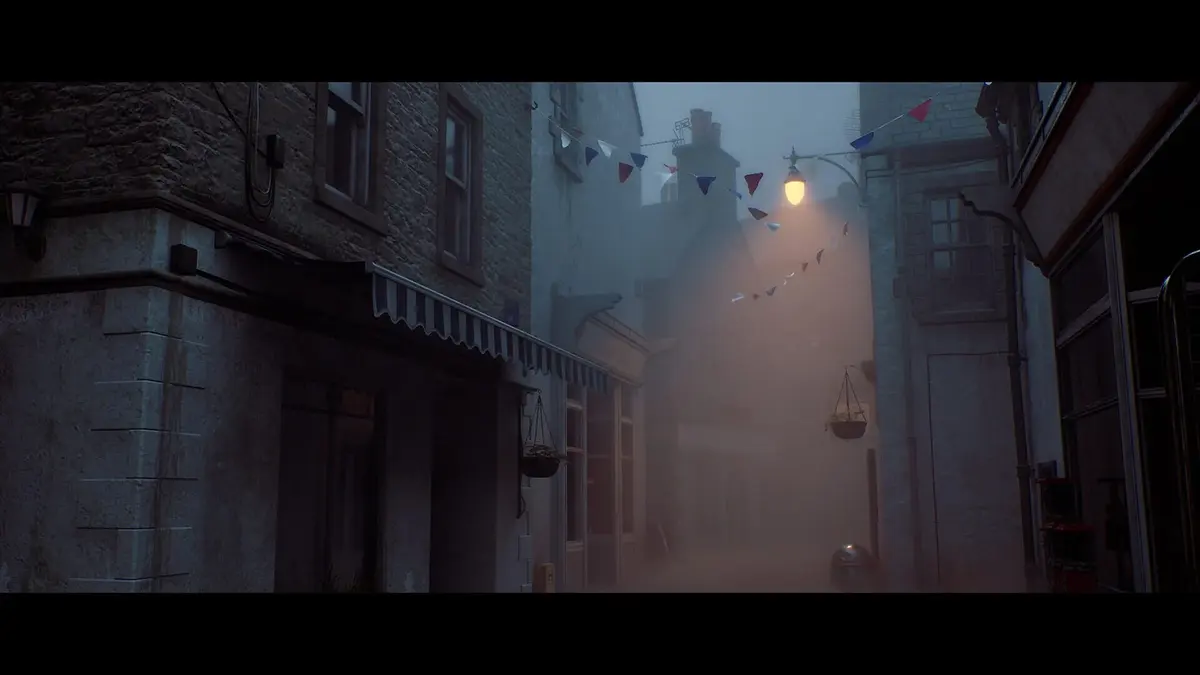
Its setting is St. Amelia, a desolate island town buried under heavy fog. Simon Ordell returns there to put past events right, giving Townfall its own mystery rather than placing players back in Harry Mason’s, James Sunderland’s, or Heather Mason’s route through Silent Hill.
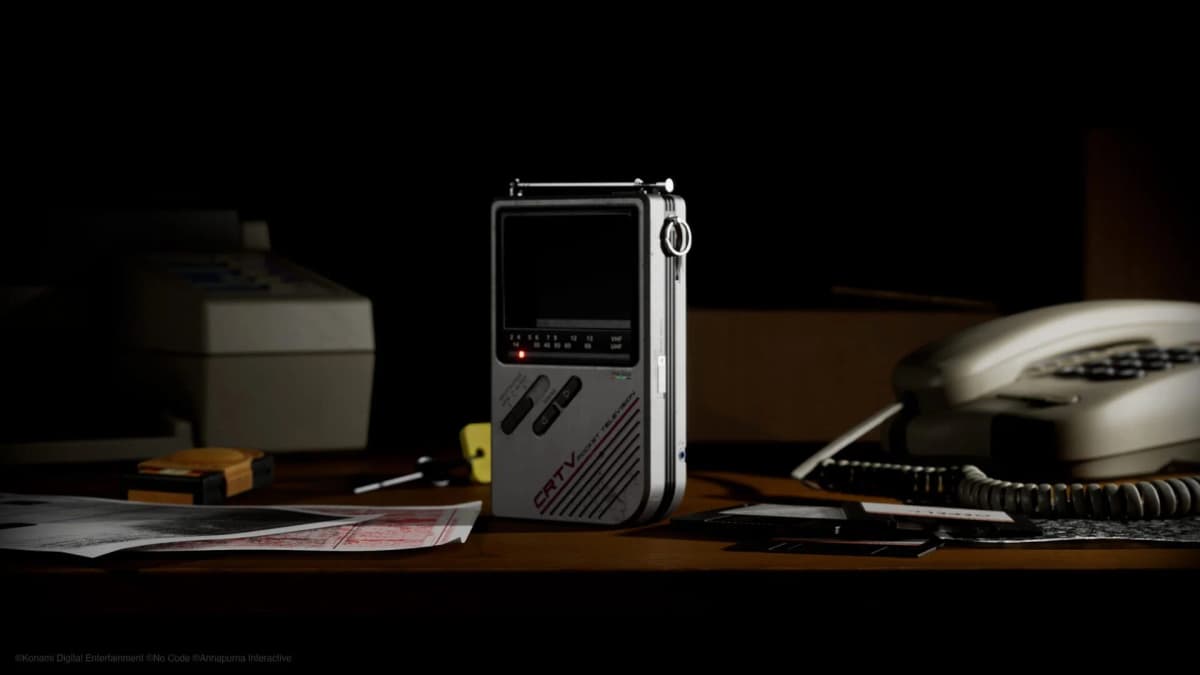
That separate identity is part of the point. Townfall leans into first-person dread and uses its own investigative framing, including the CRTV device, instead of pretending to be a hidden chapter of the older Team Silent story. It shares atmosphere, symbolism, and franchise DNA, but not an established seat inside the Alessa storyline.
For play-order purposes, place Townfall after the original foundations: at minimum, finish Silent Hill, Silent Hill 3, and one version of Silent Hill 2 first. That order gives you the strongest grounding in the franchise’s recurring ideas without pretending that St. Amelia is already mapped into the old chronology.
The trap is treating every foggy setting, cult reference, or familiar symbol as proof of a direct timeline link. Silent Hill repeatedly returns to shared imagery and supernatural rules across separate stories. The announced material for Townfall does not establish a connection between Simon Ordell and Alessa Gillespie, Cheryl Mason, Heather Mason, Walter Sullivan, James Sunderland, or the Order.
St. Amelia is also identified as a distinct island setting, rather than being confirmed as the original town’s geographic location. Its exact historical placement and its relationship to the earlier games’ supernatural cosmology remain open, so it should stay in the “official new entry” column rather than being forced into the Alessa timeline.
If you are also coming to Townfall for endings and lore cleanup, keep that separate from canon placement. The game has five endings overall, with some repeat outcomes tied to New Game Plus. On a first playthrough, the non-canon outcomes are Abandoned, Forever, and Justice. That changes how you read Townfall internally, but it does not suddenly turn Simon Ordell into a missing link between James and Heather.
Remakes and reimaginings: what belongs outside the timeline
The Silent Hill 2 remake has a simple placement: it is a reinterpretation of the 2001 game. Play the original, play the remake, or play both as separate versions of James Sunderland’s story. Neither version is a direct sequel to Silent Hill or Silent Hill 3.
Here is the practical split:
- Choose the 2001 original if you want historical context, the older release’s pacing and design language, or a clearer sense of why James Sunderland’s story became the series’ benchmark.
- Choose the 2024 remake if you want a more accessible modern presentation. It was developed by Bloober Team, with contributions from Akira Yamaoka and Masahiro Ito, and it rebuilds the original story with enhanced visuals, sound, and gameplay.
- Choose both only if you want to compare interpretations. For a first canon-focused route, one version is enough.
Silent Hill: Shattered Memories needs the same separation. It reimagines the first game instead of acting as a canonical prequel or sequel. Its psychological-profile system changes dialogue, environments, scenes, and ending emphasis based on player responses, so it creates very different expectations from the survival-horror structure of the 1999 original.
A Silent Hill remake has not been confirmed. There is no established release date, platform list, developer, price, story change list, or launch window for a remake of the first game. Keep rumored remake plans separate from the confirmed 2024 Silent Hill 2 remake and from Townfall.
Games you can safely save for later
Several Silent Hill releases are worth playing for their own ideas, but none is required to understand the Alessa story or Simon Ordell’s St. Amelia plot.
If you need a fast filter, use this one: games that directly advance Harry, Cheryl, Alessa, Heather, or major original Order material belong in the core continuity conversation; remakes and reimaginings retell an existing story; separate protagonist stories are standalones; arcade, mobile, streaming, and action-RPG side projects are optional spin-offs. That is the cleanest way to keep the franchise from turning into a foggy corkboard of red string.
- Silent Hill: Origins: A prequel that works best after Silent Hill and Silent Hill 3, since it echoes and reframes events from those games.
- Silent Hill: Homecoming: A separate protagonist story with no need to finish Heather’s arc first.
- Silent Hill: Downpour: Murphy Pendleton’s standalone story, linked through the town’s themes rather than a direct family or cult continuation.
- Silent Hill: The Short Message: A free, short-form PlayStation 5 standalone with modern first-person presentation.
- Silent Hill: Ascension: An interactive streaming project, not a required mainline campaign.
- Silent Hill: Book of Memories: A PlayStation Vita dungeon-crawling spin-off with action-RPG structure rather than the classic survival-horror format.
- Silent Hill: The Arcade, Orphan, Play Novel, and other mobile releases: Franchise derivatives that are not necessary for the core narrative.
Platform and version warnings before starting
The oldest four games do not share one modern universal storefront release. Access varies by original hardware, old PC editions, backward compatibility, regional licensing, and the platforms you still own. Progress also stays separate between original console releases, PC versions, the HD Collection, and remakes.
The 2012 Silent Hill HD Collection includes Silent Hill 2 and Silent Hill 3, but it does not include Silent Hill or Silent Hill 4: The Room. It should not be treated as a complete edition of the original Team Silent run.
For Townfall, the confirmed platforms are PlayStation 5, Steam, and the Epic Games Store. No PlayStation 4, Xbox, or Nintendo platform is listed. The available release information also does not establish a worldwide price, edition structure, frame-rate mode, resolution mode, PC specifications, install size, or patch history.
The cleanest route through the series
For the strongest story flow, begin with Silent Hill and Silent Hill 3, then experience James Sunderland’s story through either the 2001 original or the 2024 remake. Continue to Silent Hill 4: The Room, return to Origins afterward, and treat Townfall, Downpour, Homecoming, and The Short Message as separate horror stories sharing the franchise’s broader identity.
That approach keeps the Alessa Gillespie arc intact, gives remakes the right amount of distance from the original continuity, and leaves room for newer entries like St. Amelia’s Townfall to stand on their own without being forced into lore they have not actually claimed.
FinalBoss // Gear
Level up your setup
01Retro consoleson Amazon→028BitDo controllerson Amazon→03Capture cards (Elgato & more)on Amazon→04Discounted game keyson Kinguin→Affiliate links · As an Amazon Associate, FinalBoss earns from qualifying purchases.
Want to Level Up Your Gaming?
Get access to exclusive strategies, hidden tips, and pro-level insights that we don't share publicly.
Ultimate Guide Strategy Guide + Weekly Pro Tips