
Silksong Hits 535k Players in 24 Hours — Here’s the Real Story Behind the Surge
Game intel
Hollow Knight: Silksong
Hollow Knight: Silksong is the epic sequel to Hollow Knight, the epic action-adventure of bugs and heroes. As the lethal hunter Hornet, journey to all-new land…
Why This Announcement Actually Matters
We’ve all been living with the “Silksong when?” meme for six years, so seeing Hollow Knight: Silksong finally launch-and immediately explode past 535,000 concurrent players on Steam-made me do a double take. This isn’t just a good indie launch; it’s a statement. Within 24 hours of releasing on September 4, 2025, Team Cherry’s sequel slipped into Steam’s top-20 most-played chart at No. 18 (per SteamDB at the time of writing), despite store hiccups across Steam, the Microsoft Store, and Nintendo eShop. For a 2D Metroidvania to elbow into that tier is rare, full stop.
Key Takeaways
- Silksong topped 535k concurrents on Steam within a day, landing in the top-20 most-played-a staggering feat for a 2D indie.
- It’s already in shouting distance of Elden Ring’s early Steam launch concurrency (~560k), which is wild context for a small-team project.
- The jump from Hollow Knight’s tiny Day 1 peak (812) to this is a once-in-a-decade glow-up fueled by word-of-mouth and six years of hype.
- Server stumbles at launch show demand outpaced prep; the next few patches will tell us how stable this ride really is.
Breaking Down the Numbers (And Why They’re So Unusual)
Let’s put the scale in perspective. The original Hollow Knight peaked at just 812 concurrents in its first 24 hours back in 2017. Silksong crossing 535,000 within a day isn’t just growth—it’s a different universe. That trajectory doesn’t happen because of ad spend; it happens when a first game becomes a cult classic that graduates to mainstream. The original’s mod scene, speedrunning, and “no-hit” community made Hollow Knight sticky for years. Silksong is cashing in on that goodwill in a way we almost never see for a 2D sequel.
The comparison everyone’s throwing around is Elden Ring. And yes, Silksong’s early concurrency sits close to Elden Ring’s day-one Steam figure (around 560k). Are these apples to apples? Not entirely—time zones, platform splits, and availability muddy the waters—but it still says something when a tiny studio even appears in the same sentence as FromSoftware’s juggernaut. If Silksong holds momentum through the weekend, we’re looking at one of the biggest indie debuts on Steam in years.
There was turbulence. Access issues on Steam, the Microsoft Store, and Nintendo eShop show demand punched above what storefronts were ready for. That’s both a flex and a warning. Day-one server pain can tank sentiment fast. Credit to Team Cherry: the buzz didn’t evaporate, and players hammered “retry” rather than bounce. That’s a sign of trust most games have to earn over multiple entries.
FinalBoss // Gear
Level up your setup
01Top-rated gaming headsetson Amazon→02High-refresh gaming monitorson Amazon→03Gaming chairson Amazon→04Discounted game keyson Kinguin→Affiliate links · As an Amazon Associate, FinalBoss earns from qualifying purchases.
Why This Hit So Hard Right Now
This caught my attention because 2D Metroidvanias rarely chart in the same oxygen as live-service heavyweights and big-budget shooters. The genre’s been thriving—look at Ori, Blasphemous, Dead Cells—but concurrency is usually capped by scope and broader audience appeal. Silksong slicing into the top 20 tells me the hunger wasn’t just for “another good Metroidvania.” Players wanted more of Team Cherry’s specific flavor: precision combat, oppressive atmosphere, enigmatic lore, and that sublime sense of route-finding where every shortcut feels earned.
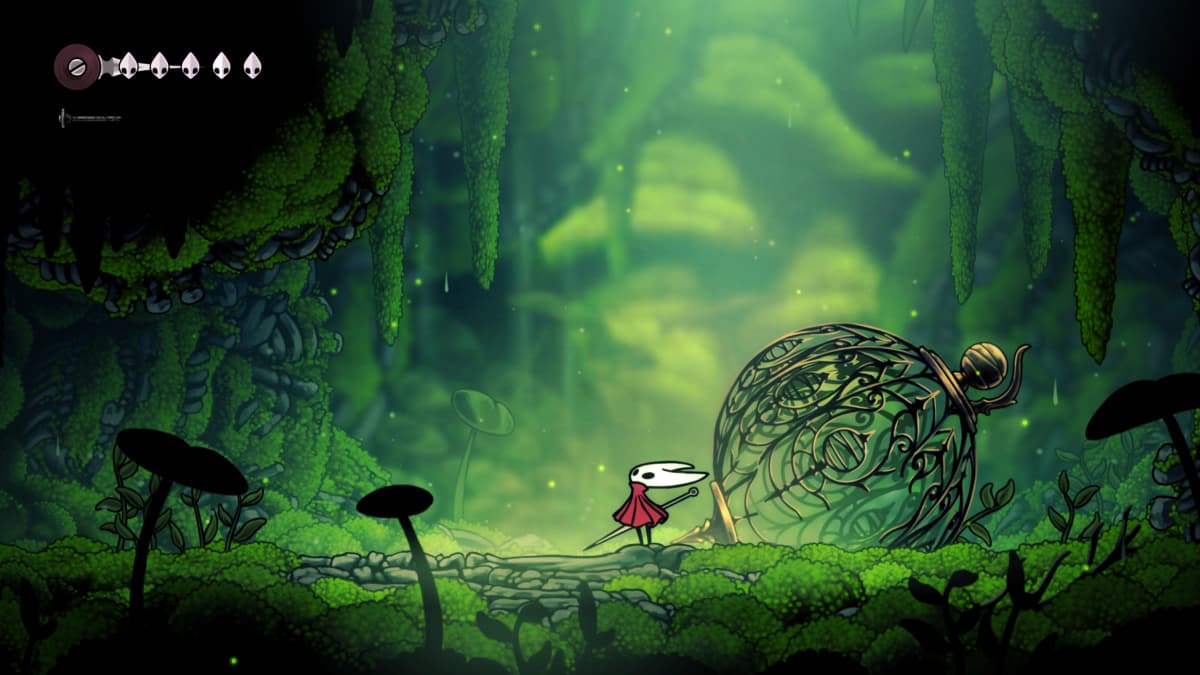
It also helps that the community basically incubated this launch for years. Hollow Knight speedrun events, fan music, endless theorycrafting—Silksong didn’t need a flamboyant marketing campaign because the fandom kept the flame alive. And ironically, Team Cherry’s famously quiet approach probably amplified curiosity. Silence can be toxic when you overpromise; here, it cultivated mystique without the usual overhype traps.
Want to Level Up Your Gaming?
Get access to exclusive strategies, hidden tips, and pro-level insights that we don't share publicly.
Ultimate Gaming Strategy Guide + Weekly Pro Tips
The Gamer’s Perspective: Hype vs. Reality
Numbers are cool, but how does this affect your play session? A few things I’m watching:
- Performance and stability on day one. The original was tight on PC and Switch after patches; I want to see if Silksong ships that way or needs a quick round of hotfixes.
- Difficulty curve. Hollow Knight’s early game can be unforgiving; if Silksong’s opening zones spike too hard, the massive influx of new players could bounce.
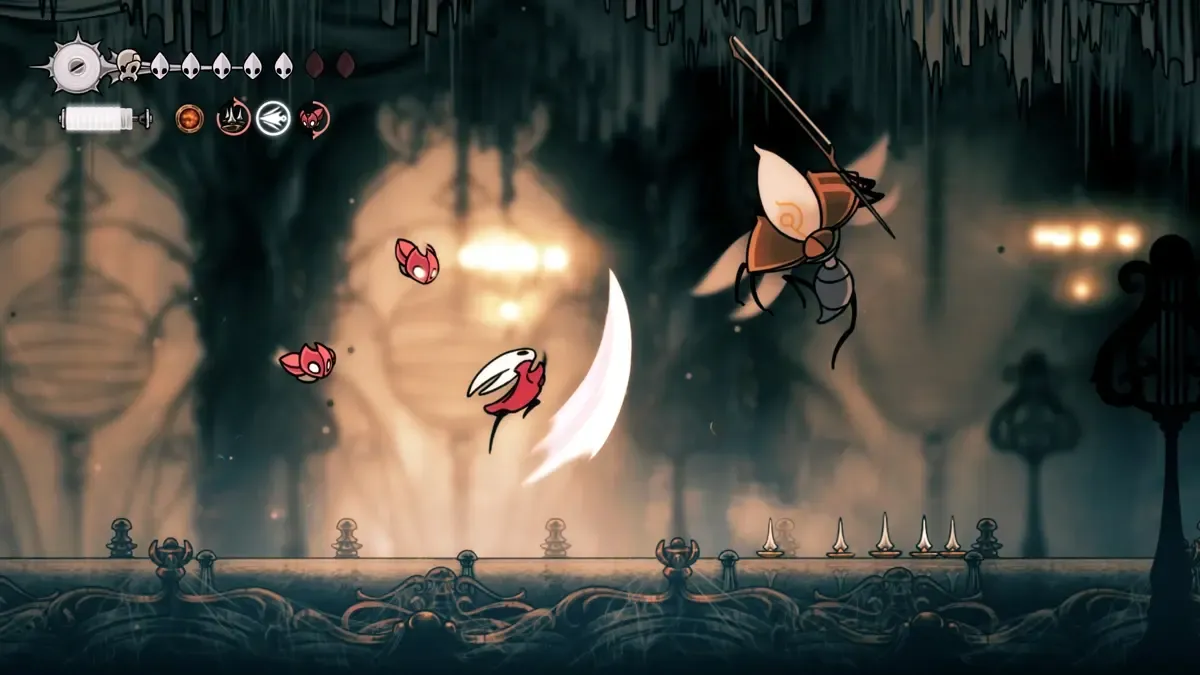
- Exploration pacing. The magic of Hollow Knight was its freedom without chaos. If Silksong keeps that “solve the maze by intuition” feel, it’ll hook people for weeks.
- Controller feel. Combat fidelity is everything here. Input latency or inconsistent i-frames would be a deal-breaker for speedrunners and casuals alike.
One thing I appreciate already: the launch proves you don’t need a battle pass or bloated live-service hooks to dominate a chart. Deliver a confident, replayable core loop and players will show up. That said, an avalanche of concurrents brings pressure. Quick patches, clear communication, and avoiding balance panic will matter over the next few days.
Looking Ahead
If Silksong maintains even a fraction of this energy through the first weekend, it will cement a new ceiling for what a premium, solo-focused 2D action game can achieve on Steam. For Team Cherry, this is a dream scenario—and a heavy mantle. For the rest of us, it’s validation: great design and word-of-mouth can still punch through the algorithmic noise.
TL;DR
Hollow Knight: Silksong blasted past 535k concurrents and entered Steam’s top 20 within 24 hours—an almost unheard-of result for a 2D indie. It’s riding years of goodwill and community passion; now it needs smooth patches, stable performance, and a fair difficulty curve to turn a record-setting launch into lasting success.