
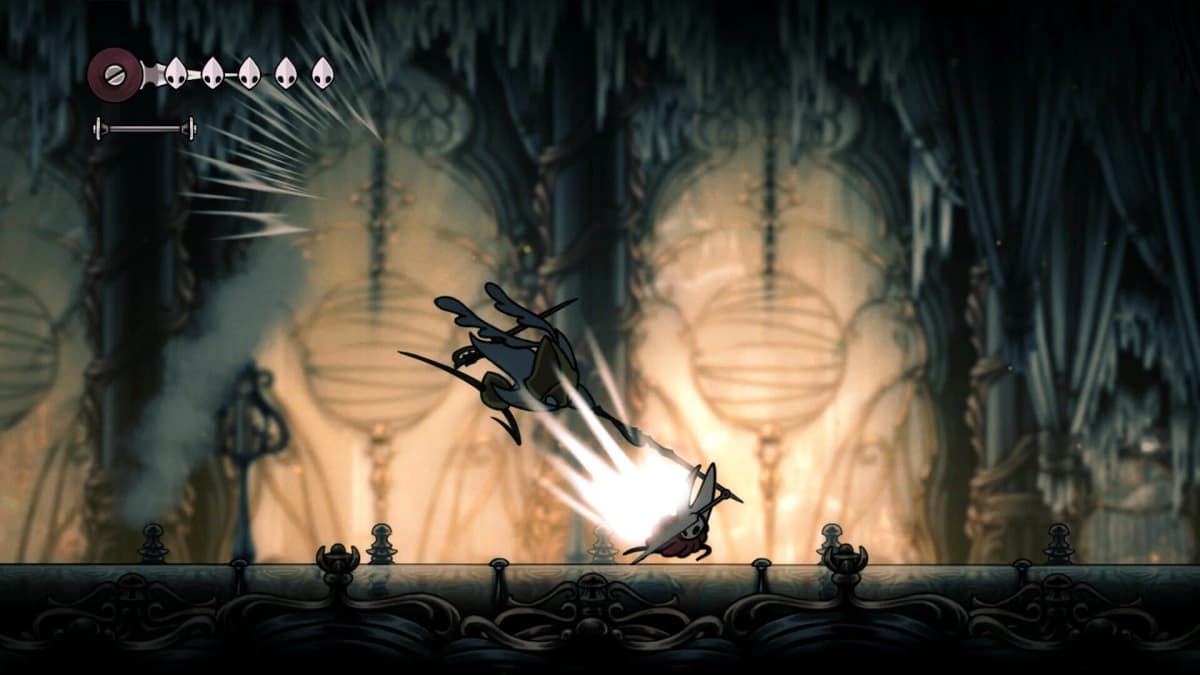
Silksong’s Quiet Memorial Boss Will Move You
Game intel
Hollow Knight: Silksong
Hollow Knight: Silksong is the epic sequel to Hollow Knight, the epic action-adventure of bugs and heroes. As the lethal hunter Hornet, journey to all-new land…
The Silksong Moment That Got Me Right in the Gut
After seven years of waiting, Silksong finally lands—and tucked inside its needle-sharp platforming is a moment that reminds you why games matter. Team Cherry built a boss and questline as a tribute to Seth (known on Reddit as u/big_boi878), a Hollow Knight fan who passed away in 2019 after fighting Ewing’s sarcoma. This caught my attention because we’ve seen studios do memorials before, but it’s rare to see one woven so thoughtfully into the world that it feels like part of the lore, not an afterthought. This isn’t about difficulty spikes or no-hit runs; it’s about a very human story, played out through Silksong’s language of movement, music, and quiet resilience.
Key Takeaways
- Team Cherry integrated a tribute to Seth as a full encounter and questline in Eastern Greymoor—more than a plaque, it’s playable storytelling.
- The fight is tuned for emotion over brutality: challenging enough to respect your skills, but approachable so the story reaches more players.
- Seth’s name appears in the credits with special mention, underscoring the studio’s commitment to honoring the person behind the inspiration.
- This is the kind of community-first design that made Hollow Knight special—minimalist, respectful, and quietly devastating.
Background: When Games Carry Memories
Memorials in games aren’t new. From Blizzard’s quiet nods to fallen community members in World of Warcraft to disposable skins and plaques in other MMOs, studios often include a static tribute. But most remain a corner with a nameplate—honorable, yes, but easily skipped. In contrast, Team Cherry decided to embed Seth’s story directly into Silksong’s core experience, making the encounter part of your journey through Pharloom. It echoes how the original Hollow Knight scattered lore fragments and elegiac tracks to build a living world around you. By giving Seth a playable moment, the studio used the medium’s unique ability to make you feel alongside the narrative, not just read it.
Breaking Down the Tribute
Seth’s story isn’t shoved in your face; it’s threaded through Silksong’s understated worldbuilding. According to the developers’ blog, the character appears in Eastern Greymoor as both a boss encounter and a quest giver, with a short arc that frames the fight as more than a skill check. It feels in step with Team Cherry’s style: communicate in fragments, let the world breathe, and invite players to connect the dots. If you loved how the original Hollow Knight slipped entire tragedies into a few lines of dialogue and an elegiac track by Christopher Larkin, you’ll recognize the cadence here.
Mechanical Breakdown: How the Fight Speaks Emotion
At first glance, the encounter moves like any other Silksong boss: precise telegraphed attacks, graceful dodging windows, and a graceful animation style. But subtle cues pepper each phase:
- Phase One begins with hesitant, almost tentative strikes—each miss or stumble is animated to feel like the boss itself is gathering strength.
- Phase Two introduces a looping melody on the soundtrack that grows more resonant as the boss lands blows, syncing audio and action to your emotional state.
- Recovery windows are slightly longer than usual, giving you time to inhale, reflect on what you’ve just witnessed, and brace for the next wave.
- The final flourish combines a flurry of attacks with a wistful leitmotif from Larkin’s score, ending in a moment of stillness rather than a death animation, underscoring the fight’s tone of “we keep going even when it’s hard.”
This isn’t just a combat gauntlet; it’s a mechanical metaphor for perseverance.
Where to Find It—and What It Asks of You
The encounter lives in the east of Greymoor, accessed once you’re comfortably mid-game and branching into side content. It’s not designed as a wall; instead, the patterns read like storytelling beats—attacks that telegraph struggle, recovery windows that feel like catching your breath. The soundtrack leans somber rather than triumphant, and the animation work sells the theme without turning it into melodrama. You’ll feel the intention even if you don’t know the backstory—and that’s the point. The tribute stands on its own as good game design first, memorial second, which is why it lands so hard.
FinalBoss // Gear
Level up your setup
01Top-rated gaming headsetson Amazon→02High-refresh gaming monitorson Amazon→03Gaming chairson Amazon→04Discounted game keyson Kinguin→Affiliate links · As an Amazon Associate, FinalBoss earns from qualifying purchases.
Community Reaction: A Collective Well of Empathy
Since launch, fans have flooded Reddit and Twitter with their experiences—many describing “tears in headset” moments and a sense of shared connection. One thread on r/HollowKnight gathered over 10,000 upvotes as players shared screenshots of Seth’s journal entry in-game. Streamers paused mid-fight to read the tribute text aloud, and fan art celebrating the encounter has sprung up across Discord servers. It’s rare for a boss fight to generate fan poems and musical covers as heartfelt responses—but this one did, proving that when games tackle grief with care, people notice.
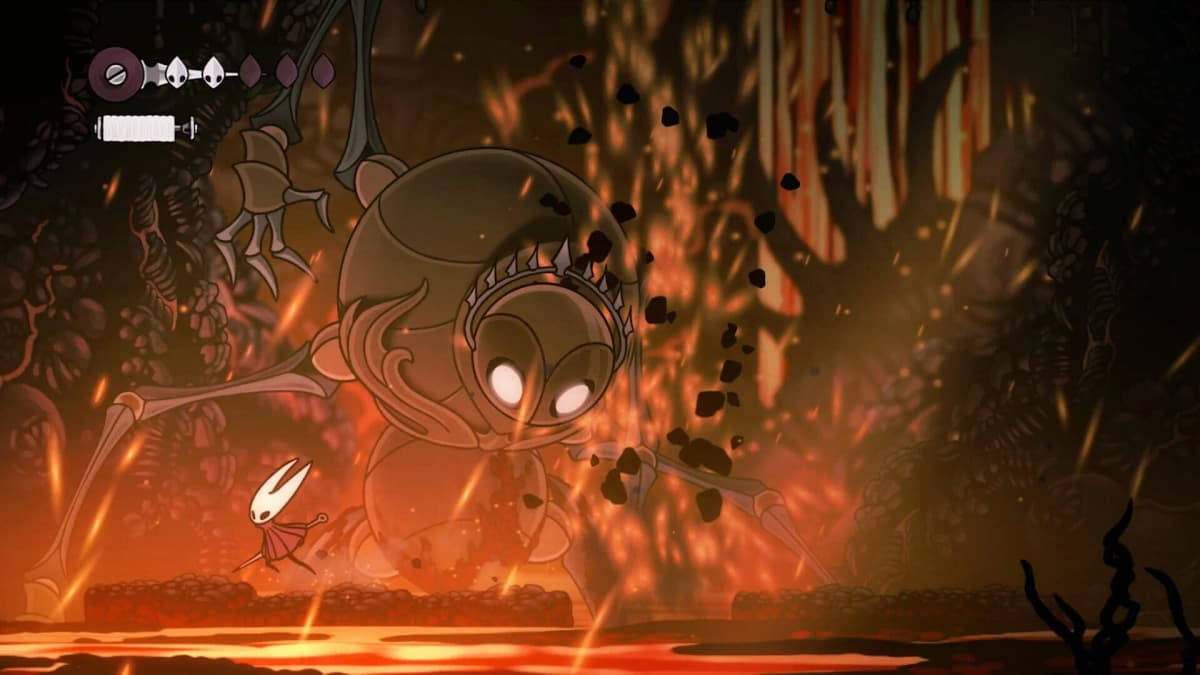
Respectful, Not Performative
It’s fair to be wary when studios spotlight personal loss—no one wants grief turned into marketing. Here, the choices feel right: no paywalls, no cosmetics, no winking meta-commentary. The tribute is opt-in, discoverable, and treated with the quiet dignity Hollow Knight fans know well. The special credit in the roll ties a bow on it: this wasn’t a content beat; it was a commitment. In a release cycle that often mistakes volume for value, this is restraint—and it’s powerful.
Counterarguments: Commodifying Grief?
Some might worry that weaving a memorial into gameplay risks commodifying grief or exploiting emotion. But Team Cherry sidesteps those pitfalls by emphasizing authenticity over spectacle. Everything in the encounter—music, dialogue fragments, phase timing—serves a cohesive artistic intent rather than free promotional value. The studio’s decision to consult Seth’s family during development further underscores that this is a collaboration to honor memory, not a marketing ploy.
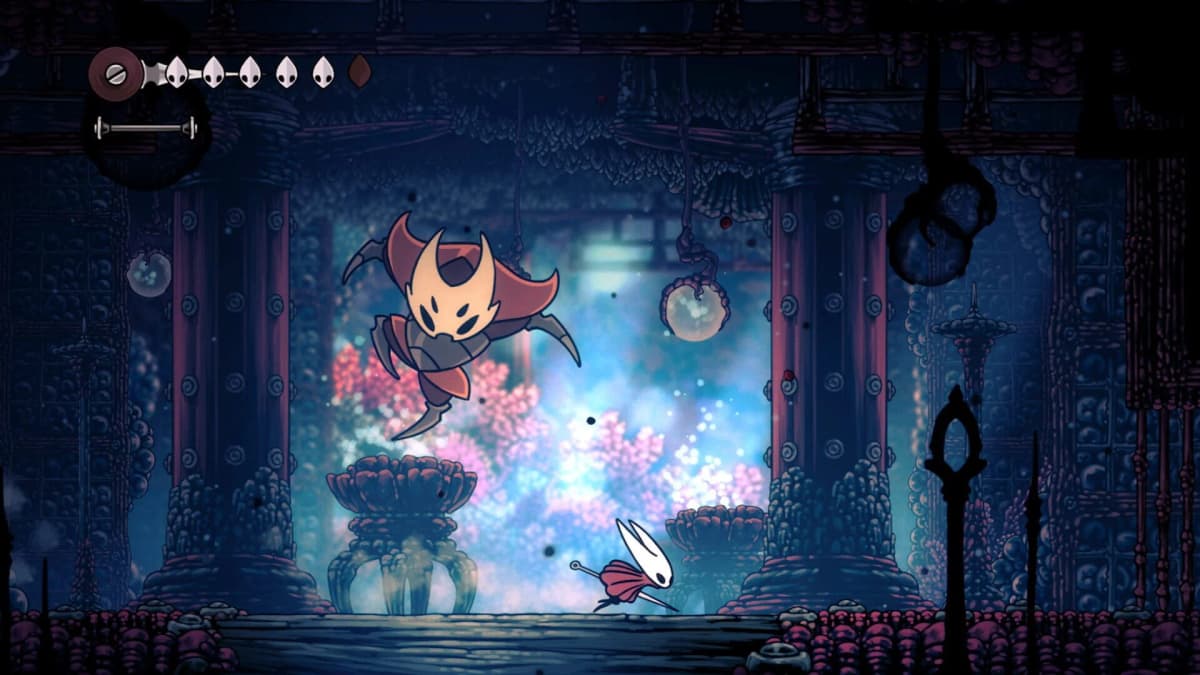
What This Says About Team Cherry
Team Cherry’s reputation was built on meticulous level design and a community that felt genuinely seen. This moment reinforces both. It also shows a studio aware of the medium’s emotional bandwidth. Silksong doesn’t just raise the skill ceiling; it raises the empathy ceiling. In a recent blog post, the developers noted they wanted Seth’s fight to “honor his spirit without overshadowing player agency,” balancing recognition with interactivity. If more developers took this approach—meeting players as people first—we’d get fewer disposable checklists and more memories that stick long after the credits fade.
Conclusion: When Gameplay Becomes Remembrance
Silksong’s tribute boss in Eastern Greymoor is less about dying to patterns and more about living with them. By embedding Seth’s story in playable form, Team Cherry transformed personal loss into a universal moment of reflection. This encounter reminds us that games can do more than challenge reflexes—they can hold space for the stories we carry. And that is why, even after hours of skill tests and platforming finesse, this one boss remains my most unforgettable moment in Silksong.