
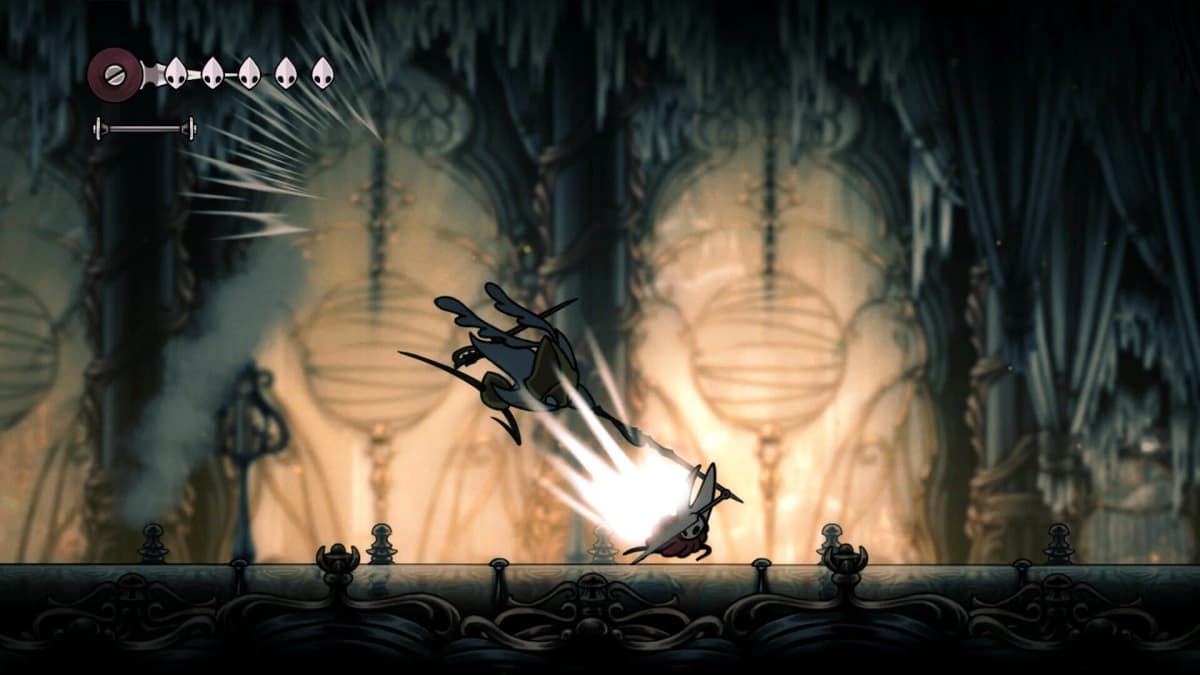
Silksong’s No‑DRM Launch Did the Unthinkable: Pirates Are Choosing to Pay
Game intel
Hollow Knight: Silksong
Hollow Knight: Silksong is the epic sequel to Hollow Knight, the epic action-adventure of bugs and heroes. As the lethal hunter Hornet, journey to all-new land…
Why this caught my eye
Hollow Knight: Silksong launched on September 4 and did something you almost never see: it was reportedly pirated within minutes, yet a surprising number of pirates publicly said they’d buy it anyway. As someone who’s followed Team Cherry since Hollow Knight’s scrappy 2017 breakout, this isn’t just a feel-good anecdote-it’s a sharp contrast to years of DRM-heavy launches that punish paying customers. Silksong shipped on PC with no DRM, a fair €20 price, and it still exploded on Steam. That combination matters.
Key takeaways
- No DRM and a €20 price point didn’t hurt sales-if anything, they amplified goodwill.
- Steam interest was massive: millions of wishlists and a peak near 600k concurrent players days after launch.
- Hornet’s faster, more aerial moveset refreshes the formula without losing Hollow Knight’s precision.
- This is a case study in how treating players with respect beats heavy-handed anti-piracy measures.
Breaking down the numbers (and the hype)
Let’s separate signal from noise. Before launch, Silksong racked up an eye-watering volume of Steam wishlists-reports put it around 4.8 million, a bonkers figure for an indie Metroidvania. Wishlists aren’t sales, but they’re the best pre-launch pulse check we have, and this one was thumping. Post-release, Steam’s concurrent player peak surged to roughly 587,000 within the first weekend, landing Silksong among the platform’s most-played games. That’s rare air for a side-scrolling action-platformer.
On Xbox, the story echoed PC: one of the biggest indie launches of the year and a head-turning player count out of the gate. Meanwhile, monthly active user estimates floating around the community are always murkier than concurrent peaks, so treat them with skepticism. The headline is clear: interest converted into actual playtime fast.
So why are pirates choosing to pay?
The usual explanation—“it’s hard to crack”—doesn’t fly here. Multiple tracker posts claimed Silksong was circulating within minutes. There’s no Denuvo. No always-online check. The simple truth is more interesting: people wanted to give Team Cherry money.
- Price respect: €20 is a frictionless ask for something this polished. You don’t need a spreadsheet to justify it.
- Developer trust: Hollow Knight earned a reputation for post-launch support, generous free content, and meticulous polish. That credibility compounds.
- Player-first launch: No DRM, no launcher spaghetti, no “day one patch the size of a small country.” The PC version just works.
- Community identity: Being part of the official community—updates, speedrun races, theorycrafting builds, mod support—has social value you don’t get with a detached, broken warez copy.
We’ve seen this dynamic before. The Witcher 3 sold gangbusters on DRM-free storefronts. Stardew Valley and Vampire Survivors became cultural events at friendly price points. Terraria and Factorio built empires on trust and perpetual updates. Piracy didn’t vanish, but it stopped mattering because players felt respected. Silksong is the newest, loudest proof.
FinalBoss // Gear
Level up your setup
01Top-rated gaming headsetson Amazon→02High-refresh gaming monitorson Amazon→03Gaming chairson Amazon→04Discounted game keyson Kinguin→Affiliate links · As an Amazon Associate, FinalBoss earns from qualifying purchases.
How Silksong earns it in-game
Goodwill only carries you to the title screen; the game has to land. Silksong does, largely by rethinking your toolset around Hornet. The pace is brisker, the movement more vertical, and combat rewards aggression without devolving into button-mashing. Bosses hit hard but read fair—classic Team Cherry—so when you fail, it’s a lesson, not a tax.
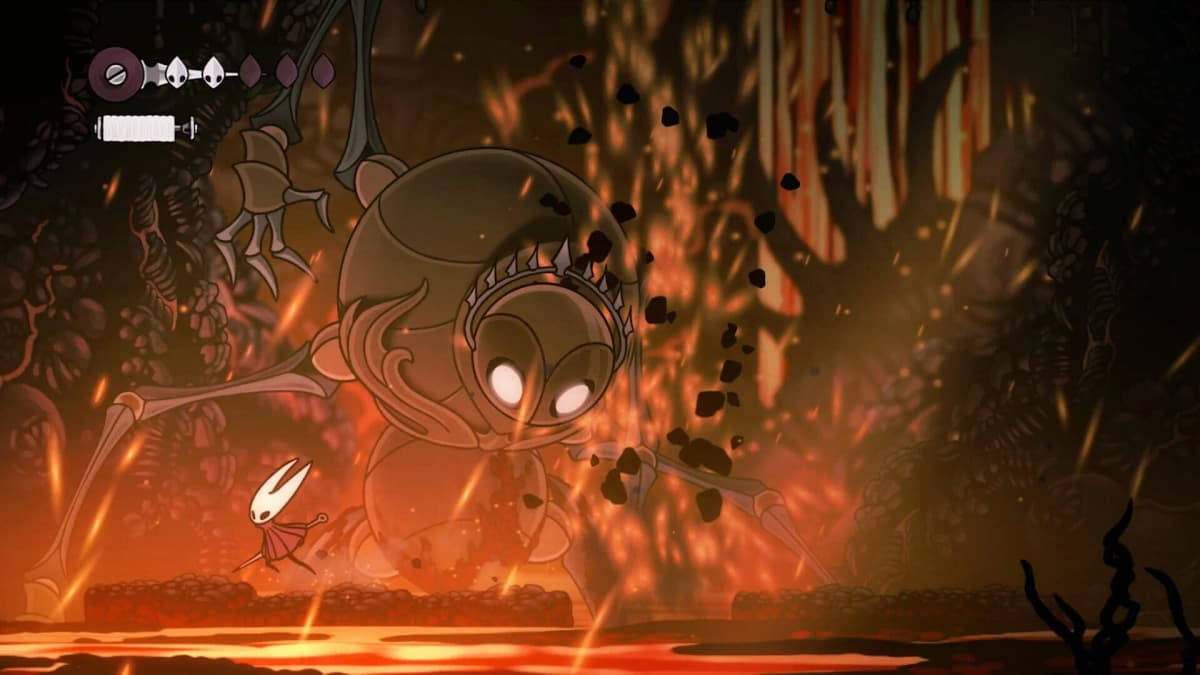
Is it hard? Sure. And some community chatter leans into “git gud” posturing that can turn newcomers off. The saving grace is PC’s openness: accessibility mods are already popping up to soften spikes or remap inputs. That’s another subtle benefit of skipping invasive DRM—you get a healthier mod scene faster.
Want to Level Up Your Gaming?
Get access to exclusive strategies, hidden tips, and pro-level insights that we don't share publicly.
Ultimate Gaming Strategy Guide + Weekly Pro Tips
What this means for DRM (and for us)
Denuvo defenders will argue correlation isn’t causation, and they’re right—every game has its own risk profile. But Silksong is a strong counterexample to the idea that single-player PC games “need” intrusive protection. Heavy DRM often ships with performance baggage and broken offline modes, punishing the exact people who pay. Silksong goes the other way: trust first, let the quality carry, and make buying the easiest, best-performing option.
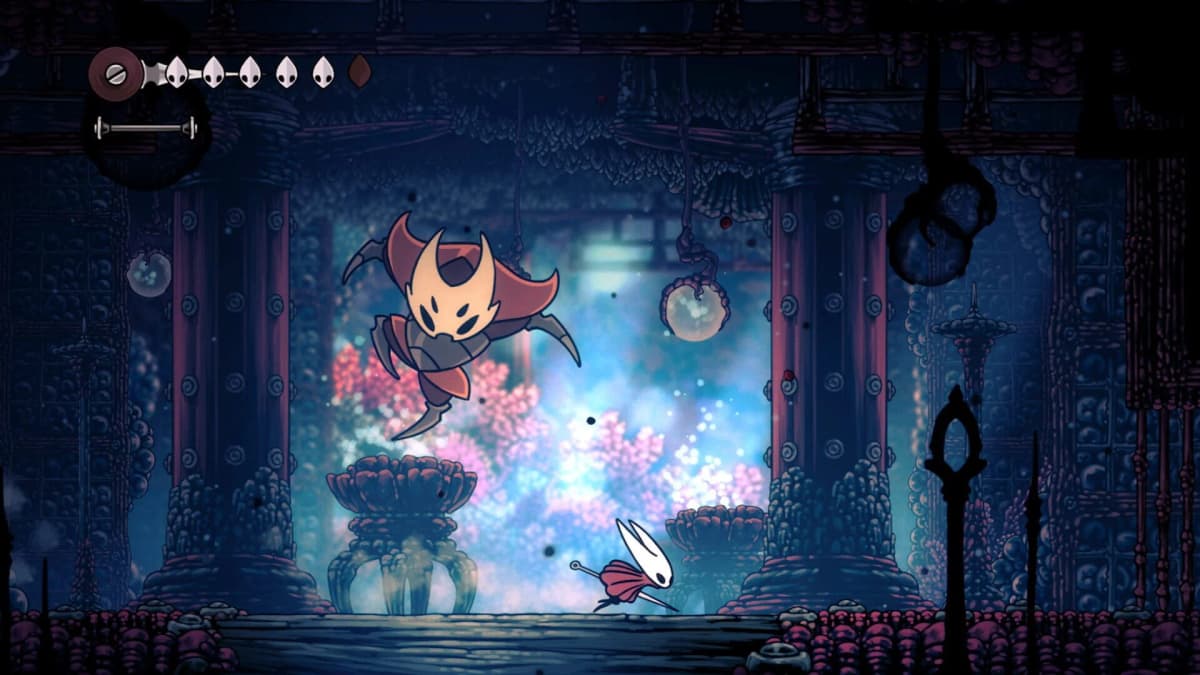
There’s also a strategic angle developers should note. Wishlists create day-one momentum, but it’s the post-launch vibe that decides legs. Fair price, smooth performance, prompt patches, and a communicative community team keep players around. Silksong ticks those boxes, and it’s why even some pirates are crossing the aisle.
Looking ahead: what to watch
- Post-launch balance and polish: Team Cherry has a reputation for smart tuning without gutting challenge. Hold them to it.
- Speedrunning and routing: Hornet’s mobility screams sequence breaks. Expect the scene to pop off.
- Mod ecosystem: Accessibility tweaks, challenge romps, and cosmetic packs will widen the tent.
- Platform cadence: PC is thriving; the broader the console footprint gets, the bigger the cultural footprint.
TL;DR
Silksong launched without DRM at a smart €20 price, got cracked quickly, and still stormed the charts—because players wanted to pay Team Cherry for a great game. Wishlists don’t equal sales, but the concurrent player spike says the demand is real. Treat people like adults, ship something special, and even pirates will vote with their wallets.