
Simon the Sorcerer Origins Launch: Nostalgia-Fueled Prequel With Real Promise—and Real Risks
Game intel
Simon the Sorcerer Origins
Simon The Sorcerer Origins is the official prequel of the legendary Simon's adventure saga. Simon will return for the first time to the absurd world of the Sor…
Why This Caught My Eye
As someone who grew up on the snark and moon-logic of ‘90s point-and-clicks, Simon the Sorcerer has always been the cheekier cousin to Monkey Island-more British sarcasm, less swashbuckling. So hearing that Simon the Sorcerer Origins is out now, hand-drawn and landing on basically every platform including Mac and Linux, got my attention. Nostalgia revivals can be magical when they understand what made the original tick. They can also feel like museum tours if they just repackage the past. This one looks like it’s trying to do both: honor the classic while onboarding a new audience.
Key Takeaways
- Original voice actors return (Chris Barrie in English, Erik Borner in German), which is huge for Simon’s personality-driven humor.
- Hand-drawn art and a fresh soundtrack aim to modernize the vibe-but the puzzles and UI will determine if it actually feels modern to play.
- It’s a prequel set weeks before the 1993 game, a smart entry point for new players-if it doesn’t over-explain the magic.
- Available on PS5/PS4, Xbox Series X|S/One, Switch, PC, Mac, and Linux at launch, with limited editions for collectors.
Breaking Down the Announcement
Publisher ININ Games and developer Smallthing Studios have shipped Simon the Sorcerer Origins worldwide today. It’s a hand-drawn prequel that leans into Simon’s trademark sarcasm and a “prophecy” setup to frame a coming-of-age story. The headline features are all about authenticity: Chris Barrie returns as Simon in English (a big deal for fans who remember his delivery from the classic CD releases), and Erik Borner reprises the role in German. There’s a new score by Mason Fischer, and a surprise appearance from Rick Astley—yes, that one—which feels like a wink to how embedded Simon’s humor is in pop culture meta-jokes.
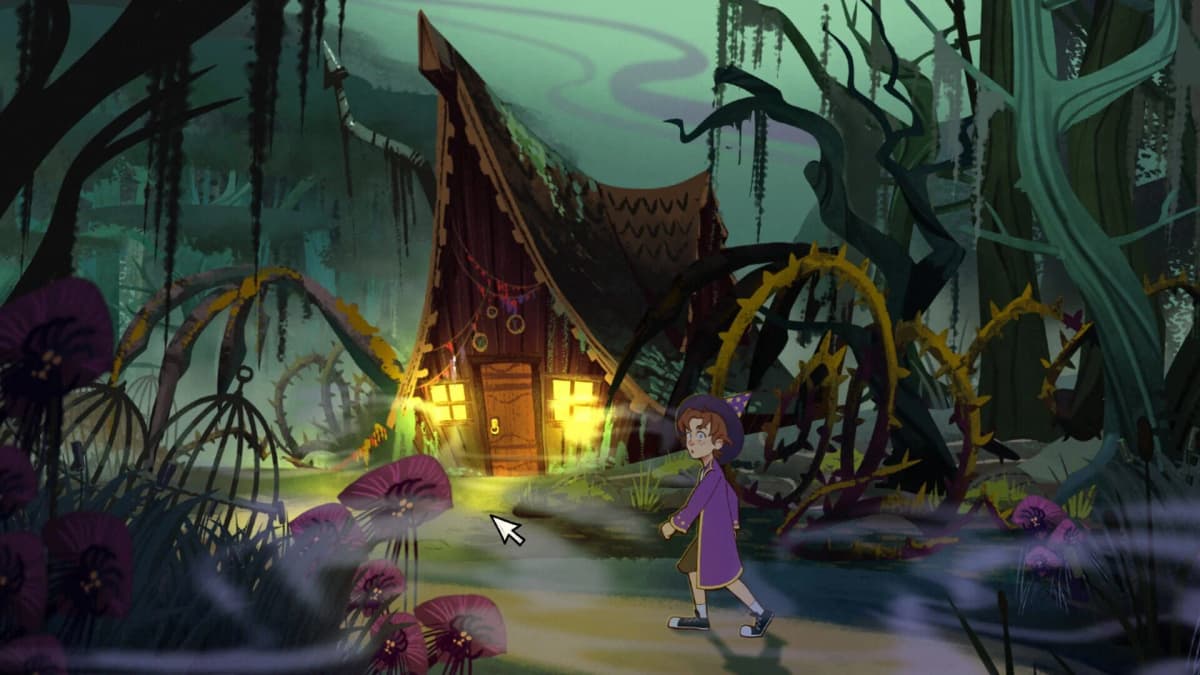
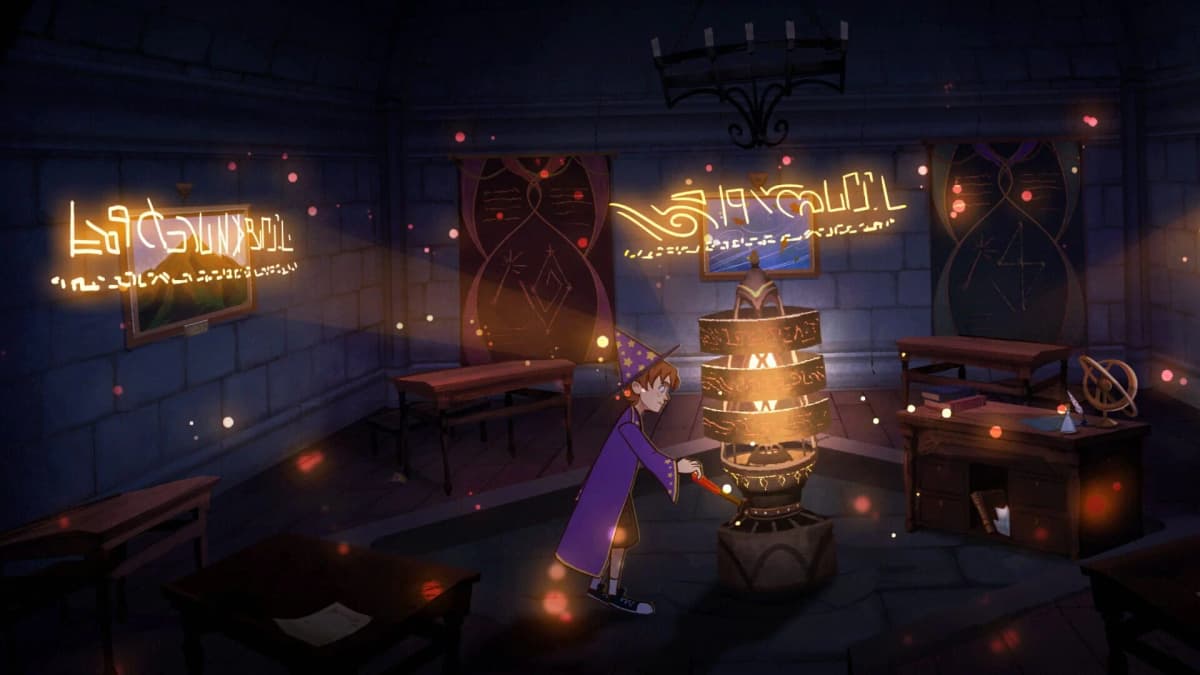
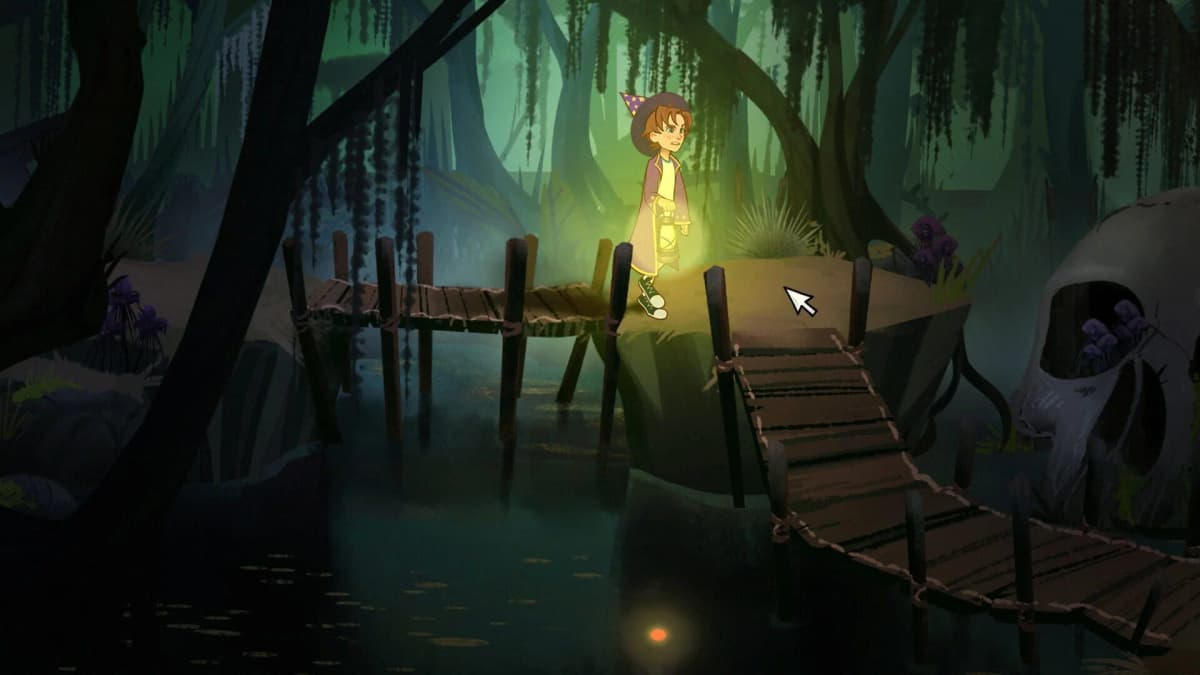
The art direction goes full Saturday-morning-cartoon with lovingly animated, hand-drawn scenes and cinematic sequences. That’s exactly the right approach for this series, which always lived in that space between slapstick and sly genre parody. It’s also landing everywhere at once, including Mac and Linux—still rare for day-one adventure releases. ININ mentions a Limited Special Edition for Switch, PC, and PS5, with the usual “extra goodies” aimed at collectors.
Industry Context: Point-and-Click’s Second Wind
We’re in a mini-renaissance for classic adventures. Return to Monkey Island proved you can modernize interface and pacing without losing soul, while Thimbleweed Park stuck closer to old-school rhythms and still found its audience. ININ has been curating retro revivals with care (think Cotton, Turrican, Wonder Boy), and the label usually respects legacy while smoothing obvious rough edges. That bodes well for Simon, whose original strengths—sharp writing, memorable VO, and puzzle setups that were absurd but somehow logical—are exactly what fans want preserved.
The risk, as always, is mistaking reference for reverence. A prequel can reconnect us with a character—or flatten them by overexplaining their mystique. Simon’s appeal was the contrast: a modern, mouthy teen tossed into high-fantasy nonsense and somehow riffing his way through it. Origins needs to preserve that energy without turning every moment into a “so that’s how he got the hat” gag.
The Gamer’s Perspective: Promises vs. Practicalities
Let’s talk about the stuff that will decide whether this sings or stumbles: interface, puzzle design, and pacing. On consoles, point-and-click lives or dies by cursor feel and hotspot readability. Return to Monkey Island nailed this with subtle snapping and clear verbs; on Switch, handheld touch helped a ton. If Origins supports touch on Switch and offers snappy controller navigation with hotspot highlighting and optional hint nudges, it’s golden. If it’s clunky, no amount of VO nostalgia will save it.
Puzzle philosophy is the other make-or-break. Players are more allergic to pure moon logic in 2025 than we were in 1995. The sweet spot is layered, funny solutions that reward curiosity—think combining items that make thematic sense, environmental gags that teach you the rules, and hint systems that nudge without solving. The press materials emphasize humor and cinematic flair; I’m hoping that translates into puzzles that feel authored rather than arbitrary. Autosave, fast travel between areas, skippable lines on repeat attempts, and robust accessibility (text scaling, color contrast, subtitle options) would also be table stakes for a modern revival.
About That Rick Astley Cameo
On paper, it’s a perfect Simon move—tongue firmly in cheek, knowingly retro, and guaranteed to make the internet grin. The trick is restraint. A clever cameo should amplify the world’s irreverence, not overshadow the writing. If it’s a quick, earned gag, I’m in; if it’s a drawn-out “remember this?” bit, it’ll age fast.
Want to Level Up Your Gaming?
Get access to exclusive strategies, hidden tips, and pro-level insights that we don't share publicly.
Ultimate Gaming Strategy Guide + Weekly Pro Tips
Should You Jump In?
If you’re a Simon lifer, the returning voice talent and hand-drawn art probably sold you already. This looks like a sincere attempt to capture that British adventure-game tone without embalming it. If you’re new to the series, a prequel is the right starting point—no homework required, and you’ll get the vibe without 30 years of baggage. The only missing piece from today’s announcement is the granular stuff—price, expected length, and a detailed rundown of QoL features. If those matter to you, give it a day or two for impressions to surface.
Either way, seeing a cult classic get a broad, day-one release—PC, consoles, Mac, Linux—is a small victory for adventure fans. ININ’s curation plus Smallthing’s hand-drawn approach sets the stage. Now it’s on the writing, the puzzles, and the feel in the hands to bring the magic back.
TL;DR
Simon the Sorcerer Origins brings back the voice, the sarcasm, and a fresh hand-drawn look across every major platform. It’s a promising prequel with smart nostalgia—so long as the interface and puzzle design are as modern as the art.
If you loved the original, this is worth a look now. If you’re cautious, wait for early puzzle and UI impressions—those will tell you if this revival truly clicks.