
Simon the Sorcerer Origins: A Witty Spell Reimagined
Game intel
Simon the Sorcerer Origins
Simon The Sorcerer Origins is the official prequel of the legendary Simon's adventure saga. Simon will return for the first time to the absurd world of the Sor…
I’ll admit it: the original Simon the Sorcerer games still loom large in my fondest childhood memories. Their blend of British sarcasm, whimsical fantasy and brain-teasing puzzles epitomized the early ’90s point-and-click golden age. So when word of Simon the Sorcerer Origins arrived—an ambitious prequel promising to resurrect that very spirit—I felt equal parts giddy excitement and guarded skepticism. After all, reviving a cult classic amid today’s remake parade can be a risky spell indeed.
Hand-Drawn Animation: Beyond Nostalgic Eye Candy
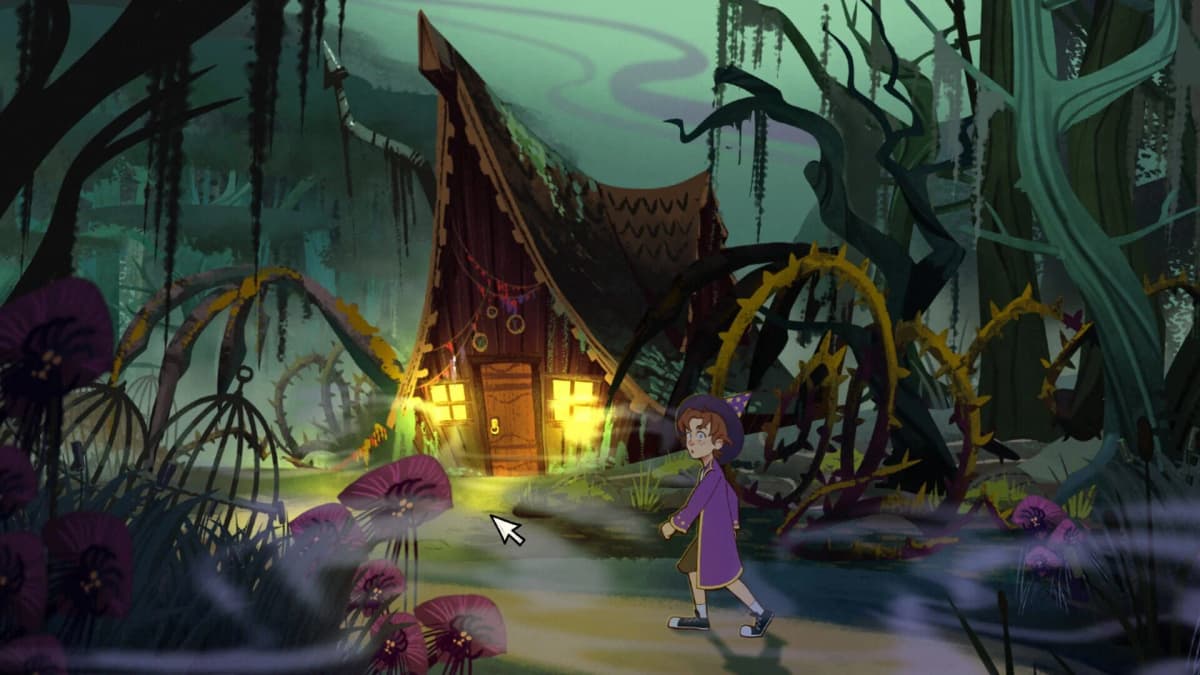
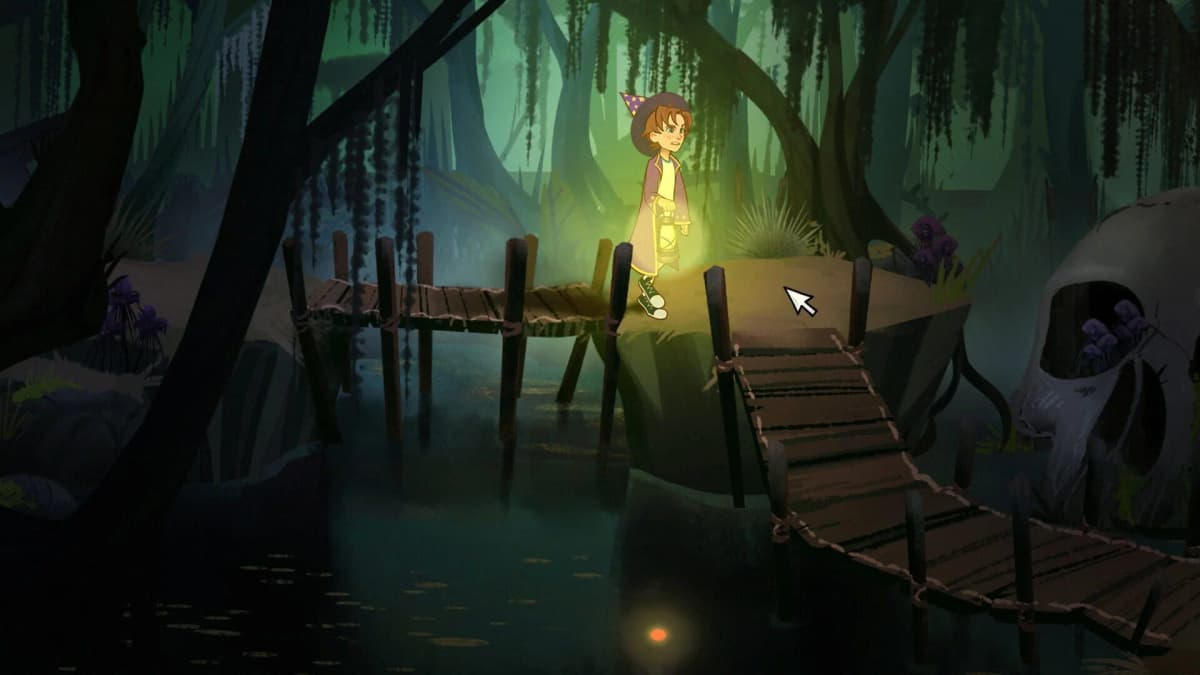
Smallthing Studios touts hand-drawn animation crafted by artists experienced with major studios. Yet the true test isn’t production pedigree; it’s whether each frame carries personality. The original series thrived on expressive sprite work that punctuated every quip. Early footage hints at fluid character motions and clever background gags, but the real question is consistency. Will every NPC sneer, cower or quiver with the same visual wit that once coaxed genuine chuckles from pixelated silhouettes? Smooth lines alone won’t cut it; animation must also deliver that impish, borderline-madcap energy.
Dialogue & Humor: Sharp Quips or Soft Landings?
The beating heart of Simon the Sorcerer has always been its razor-tongued script. Slapstick meets self-aware commentary, skewering fantasy tropes without ever feeling mean-spirited. The involvement of original creator Simon Woodroffe in shaping the narrative bodes well, but effective humor depends on precise pacing and writing tone. Will new jokes land as reliably as the classics? Or will modern sensibilities dilute that distinct brand of snark? What intrigues me most is how the game structures its comedic arcs—does it build anticipation for a punchline, then gleefully pull the rug out, or rely on rapid-fire wisecracks? True comedic timing emerges in the back-and-forth between Simon and his world, not just in isolated one-liners.
Music & Atmosphere: A Memetic Gamble
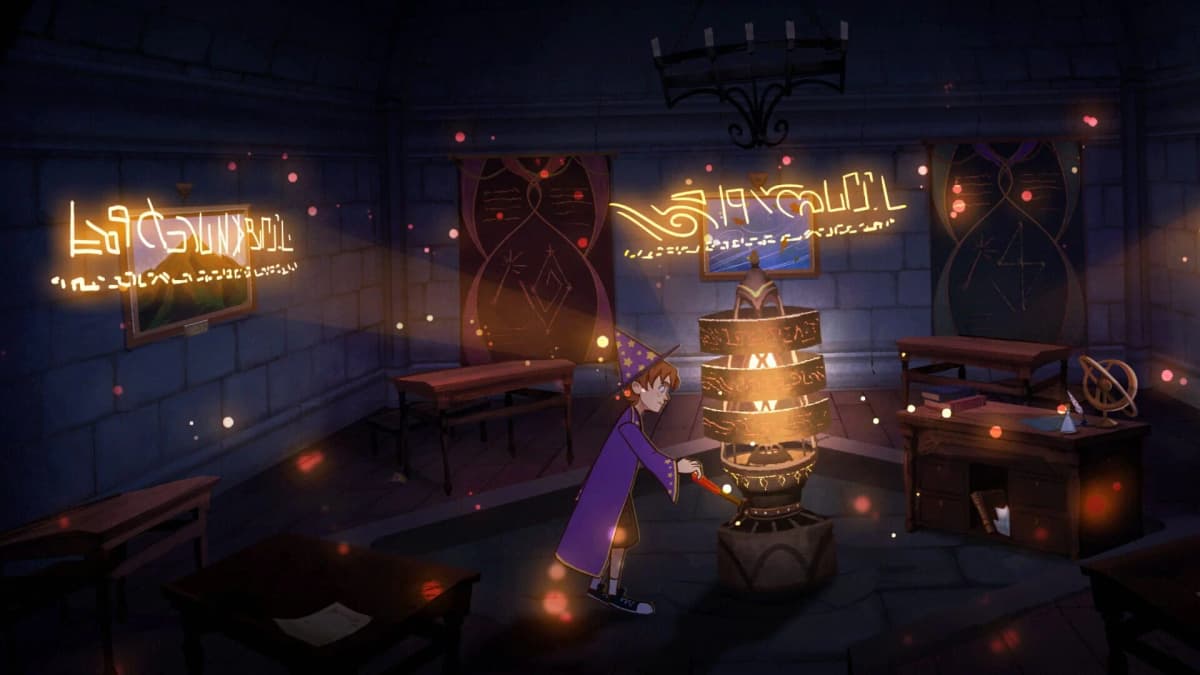
One of the more eyebrow-raising choices is a collaboration with pop icon Rick Astley alongside veteran composer Mason Fisher. It’s a bold move: a catchy theme could reinforce the game’s tone, but it also risks descending into self-referential kitsch, undermining immersion. The original scores buoyed puzzles with whimsical melodies that felt at home in an enchanted forest or a crooked castle. Here, the balance is delicate—too polished or meme-driven, and you lose that endearing rough-around-the-edges charm. Ideally, the soundtrack will complement the dialogue’s pace, accentuating tension before comedic breakthroughs rather than competing with them.
Puzzle Design: Inviting or Intimidating?
Adventure game veterans relish convoluted inventory puzzles and obscure logic. Newcomers, however, can be put off by trial-and-error fetch quests. Simon the Sorcerer Origins must thread the needle—retain the cerebral pleasures of old-school design while offering clearer signposts and intelligent hint systems. The key lies in integrating clues organically: environmental storytelling over buried text files, subtle NPC banter that nudges you in the right direction. If puzzles flow from the world’s internal logic rather than arbitrary edicts, both seasoned fans and curious newcomers will feel rewarded, not frustrated.
Want to Level Up Your Gaming?
Get access to exclusive strategies, hidden tips, and pro-level insights that we don't share publicly.
Ultimate Gaming Strategy Guide + Weekly Pro Tips
Localization & Accessibility: Broadening the Spell’s Reach
One strength here is full localization in multiple languages, plus cross-platform support stretching from PC to consoles and handhelds. That inclusivity can introduce Simon’s world to fresh audiences—but humor is notoriously tricky to translate. British sarcasm often hinges on cultural references and wordplay. I’m keen to see how idioms and puns survive translation, or whether some lines fall flat. On the accessibility front, options like adjustable text size, colorblind-friendly palettes and streamlined interfaces can make or break the experience for diverse players. A truly modern revival should embrace these features as core design pillars, not afterthoughts.
Balancing Nostalgia with Innovation
Reboots face a perpetual dilemma: drift too close to the original and you become a retread; stray too far and you lose the magic that sparked loyalty. Early indications suggest Origins wants to rekindle familiar settings—enchanted forests, absurd side quests and sarcastic sidekicks—while expanding scope with new locales and narrative threads. The promise of deeper character arcs, where Simon’s wit evolves rather than simply recycles former gags, is tantalizing. If the writing leans on fresh perspectives—perhaps exploring why Simon opted for snark in the first place—the game could transcend mere nostalgia push.
Conclusion: Cautious Optimism
Simon the Sorcerer Origins has the hallmarks of a thoughtful revival: hand-drawn art packed with expression, a creative team that values sharp writing, and a willingness to take musical risks. But the ultimate verdict hinges on cohesion—how seamlessly humor, puzzles and art interlock to create that singular Simon experience. It’s too early to pronounce victory, yet for the first time in many revival attempts, I sense a real chance of recapturing the series’ crooked grin. If Origins nails its comedic rhythm and puzzle accessibility, we may well be in for a delightful adventure that honors the past while inviting new fans to don Simon’s pointy hat.
Note: Detailed analysis of specific puzzles, dialogue samples, and player feedback will follow once extended gameplay sessions are available.