
Sins of a Solar Empire II’s 1.5 update makes diplomacy dangerous
Game intel
Sins of a Solar Empire II
The Sins of a Solar Empire II Content Pass includes the soundtrack, Triumphs DLC, Reinforcements DLC, Harbinger expansion and Nemesis expansion. All items will…
Sins of a Solar Empire II is about to feel very different. On December 10, Stardock drops the free v1.5 “Diplomatic Repercussions” update, and the headliner isn’t just a shinier diplomacy screen-it’s a suite of changes that could finally make alliances, influence, and timing as decisive as raw fleet power. The kicker: a big economy rebalance that moves more of your income-generating infrastructure into orbit, which could upend classic turtle-and-tech play and supercharge harassment. That’s the kind of shift that actually changes how we play.
Key Takeaways
- Diplomacy gets teeth: trade influence and items, with AI weighing multiple factors when picking partners. Expect real consequences for deals and betrayals.
- Economy pushed into orbit means more raidable targets; fewer safe, planet-locked economic engines. Defense plans (and build orders) will need a rewrite.
- Tech tree cleanup and lower station requirements speed access to faction-defining techs-good for pacing, but it will scramble the multiplayer meta.
- Quick Start presets (Basic, Quick, Advanced) let you skip the slow opener or lean into role-play; smarter AI and a better mod manager round out the quality-of-life wins.
Why this matters now
Sins has always been at its best when fleets are colliding across phase lanes and you’re juggling macro decisions under real-time pressure. But let’s be honest: diplomacy in this series often felt like a side quest unless you were stacking ceasefires and trade pacts en route to a battleship victory lap. The original game even needed an expansion called Diplomacy (followed by Rebellion) to meaningfully develop the non-military layer. Doing this level of overhaul as a free update for Sins II shows Stardock knows the community’s pain points and is willing to tackle them before the meta calcifies.
The “why now” is also about momentum. Throughout 2025, Stardock’s been iterating based on player feedback, and this drop reads like a year-end statement: diplomacy that actually influences outcomes, faster starts for folks with limited session time, and systems-level rebalance rather than just ship stat tweaks. That’s the right kind of ambition for a living RTS-4X hybrid.
Want to Level Up Your Gaming?
Get access to exclusive strategies, hidden tips, and pro-level insights that we don't share publicly.
Ultimate Gaming Strategy Guide + Weekly Pro Tips
Breaking down the update
Diplomacy first. The reworked system adds flexibility, and the ability to trade influence and items is a big deal. Influence has always been a fuzzy currency in 4X games; if Stardock makes it a tradable resource with meaningful sinks and perks, it can power alliances, sanctions, and pressure plays that matter beyond “we’re friends until I need your planets.” The AI now considers multiple factors when choosing partners, which is critical. If the AI evaluates strength, proximity, and threat the way human players do, expect fewer baffling betrayals and more believable coalitions-and yes, more punishing pile-ons when you’re the galaxy leader.
Quick Start options are smart design for a modern RTS: not everyone wants to babysit their first scouts every session. “Basic” starts you with a light factory for that classic slow burn. “Quick” and “Advanced” drop you in with planets, fleets, and momentum—perfect for a weeknight match where you want midgame action in twenty minutes. We’ll need to see how these presets interact with map size and pacing, but giving players the keys to the tempo is a win.
AI improvements show up in patch notes every strategy cycle, and we’ve learned to meet them with cautious optimism. Here, the promise is that the AI reacts more dynamically over the course of a match. Translation: it should stop hoarding fleets in irrelevant wells, reevaluate treaties when borders change, and actually counter your tech direction rather than feed you free vet on your capital ships. If it also learns to use the new diplomacy tools proactively—trading influence to shore up alliances or undercut you—that’s when single-player gets spicy.
The mod front might quietly be the most important long-term change. A faster mod UI with ratings, categories, and a download/install progress bar sounds basic, but Sins lives and dies by its total conversions and big overhauls. Anything that gets players into a massive sci-fi mod without manual file spelunking is an investment in the community. The first game thrived on these passion projects; smoothing the path in Sins II is exactly the kind of stewardship we want to see.
Now the spicy one: economic rebalance. Moving “more of the economy into orbit” means your income isn’t as safe behind planetary slots anymore. Orbital infrastructure is visible, raidable, and forces ongoing map presence—not just starbases, but the broader economic web. That ups the value of harassment fleets and hit-and-run tactics, and it pressures turtlers to defend across the gravity well instead of building a single uncrackable fortress. If you’ve been relying on safe planet stacking to bankroll titan rushes, start labbing new paths.
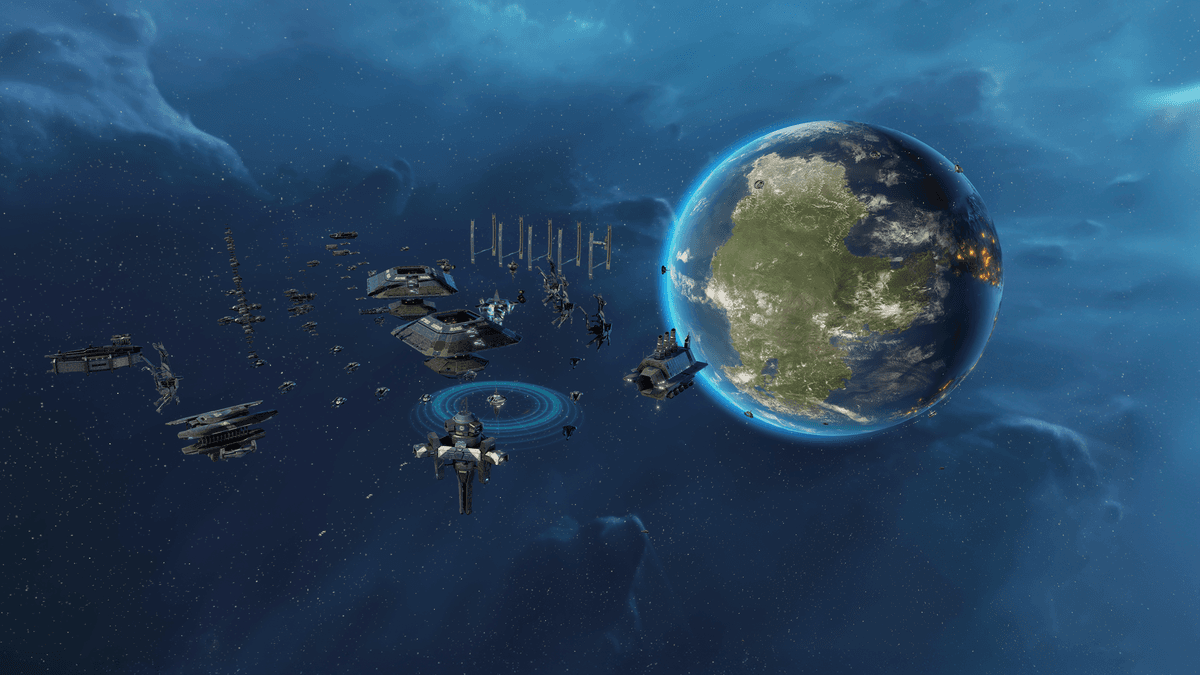
Research and the tech tree are getting a quality-of-life pass that also affects balance: cleaner grouping, less clutter, and lowered requirements so you don’t need as many research stations to hit higher tiers. This trims early friction and gets you to the “fun toys” faster, but it also reshuffles power spikes. Expect the midgame to arrive sooner, and for faction-defining picks (like doctrine pivots or support ship synergies) to come online earlier than your muscle memory expects.
Lastly, there’s a bit of visual candy: orbital shuttles traveling between population centers. It’s explicitly a flavor feature, but Sins has always benefited from little touches that make your empire feel alive. Fingers crossed there’s a performance toggle for players pushing giant maps, but I’m never going to complain about a busier, more readable galaxy.
What gamers need to watch for
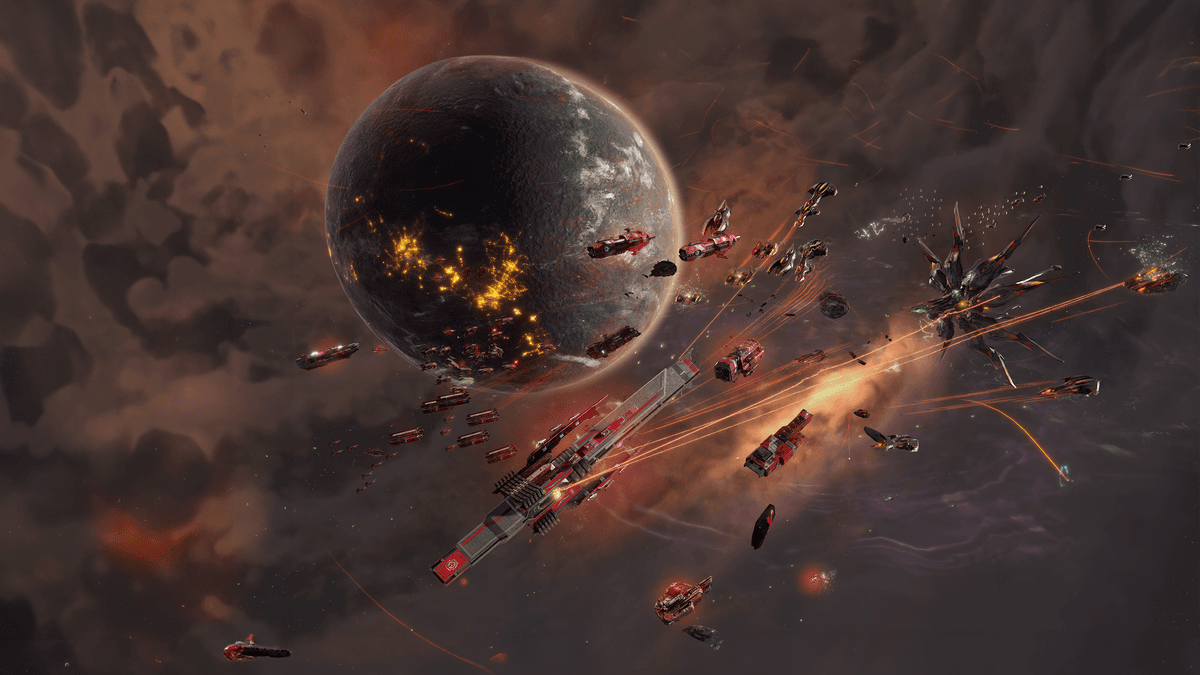
Balance shock is inevitable. Raiding will likely be stronger after the orbit shift, and Quick/Advanced starts could compress the economy curve in ways that favor early aggression. If you’re a co-op PvE enjoyer, that’s great—more action, faster. If you’re in ranked or organized lobbies, expect build orders to change, treaty timing to matter more, and a fresh wave of cheese while everyone recalibrates.
We also don’t have clarity here on save compatibility, so assume your ongoing campaigns might not love the new economy and research rules. And while the AI promises are encouraging, the real test is whether it leverages the new diplomacy without devolving into unstoppable dogpiles or nonsensical betrayals. Tuning those thresholds will make or break single-player longevity.
Still, credit where it’s due: rolling this many community-requested changes into a free update is the right move. It channels the spirit of Sins 1’s big expansions—Entrenchment, Diplomacy, Rebellion—without a paywall, and it targets the exact systems that determine whether Sins II becomes a long-term obsession or a one-and-done curiosity.
TL;DR
Diplomatic Repercussions (Dec 10) doesn’t just tweak numbers—it rewires how matches flow. Real diplomacy, a raid-friendly orbital economy, cleaner research, faster starts, smarter AI, and a better mod manager: this is the right kind of shake-up. Expect a messy, exciting week as the meta resets—and keep an eye on how the AI and economy tuning settle.