
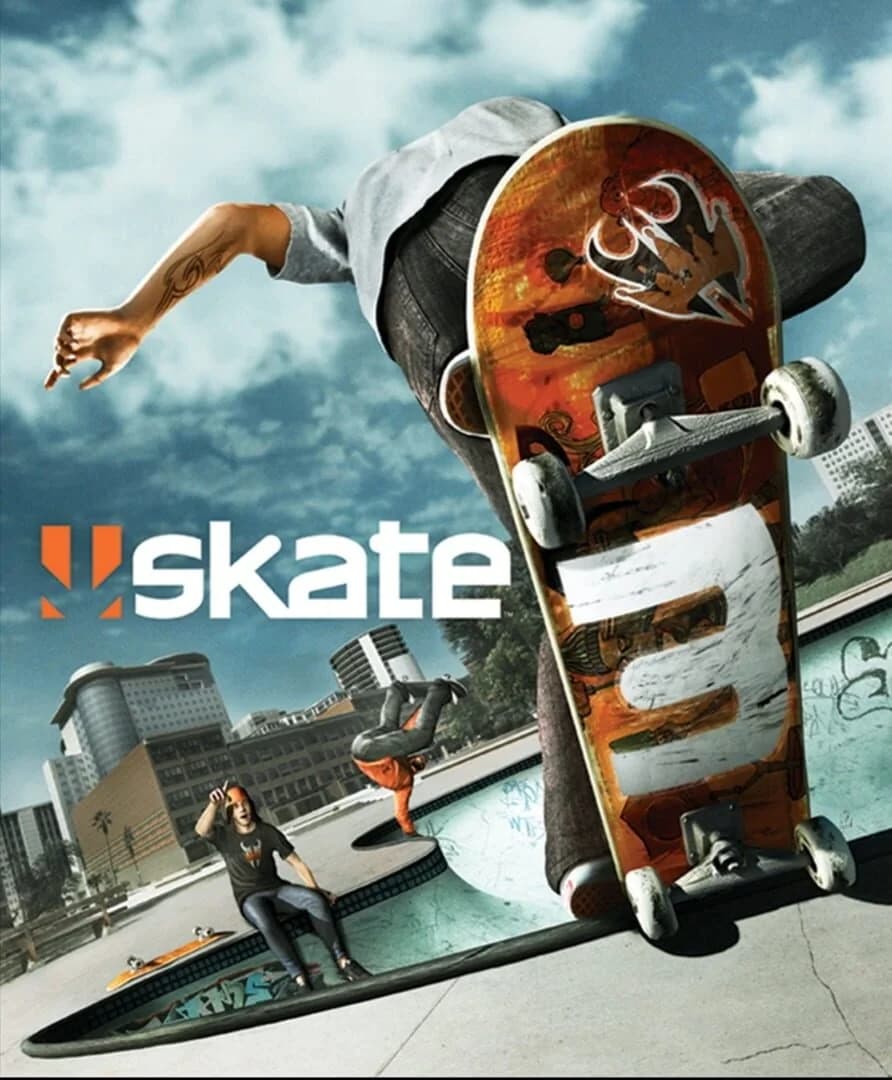
skate. Early Access Drops Today: Flick-It Returns, Free-to-Play Future Starts Now
Game intel
skate.
Compete in one of skateboarding’s biggest annual contests. For the first time ever, the Maloof Money Cup travels east to New York where you'll skate the course…
Skate. Finally Drops-Here’s What Actually Matters on Day One
I’ve been waiting for this moment since Skate 3’s last hospital bill. EA and Full Circle have pushed skate. into Early Access across PC and consoles, and the headline is simple but loaded: it’s free-to-play, fully cross-platform with cross-progression, and the beloved Flick-It controls are back. That combo is either the perfect way to build a massive skatepark of a community-or a fast track to a cosmetic grind. Let’s cut through the deck tape.
- Flick-It returns with expanded precision, potentially reclaiming Skate’s sweet spot between arcade and sim.
- San Vansterdam is an open-world, always-online hangout built for clips, sessions, and creator tools.
- It’s free-to-play with seasons, a skate.Pass, and limited-time Founder packs-cosmetic-only, EA says, but worth scrutiny.
- Key community features like party voice chat and deeper replay tools won’t land until later seasons.
Breaking Down the Drop-In
Day one, you can play on PS5, Xbox Series X|S, PS4, Xbox One, and PC (Steam, Epic, EA App). Cross-play and cross-progression mean your crew and your clips follow you, which is exactly how a modern skate game should work. The city, San Vansterdam, is built for flow: four neighborhoods that swing from plazas and parks to canals and rooftops, plus a cathedral-turned-spot that feels like the franchise flexing its level design again.
The Flick-It system is the star returning skaters care about. Session and Skater XL carved out the ultra-sim niche with dual-stick foot mapping, but Skate’s one-stick philosophy—when tuned right—hits that approachable-real feel you can learn in minutes and master over months. Full Circle says they’ve “meticulously resurrected” it with more depth, and that’s the make-or-break. If flip tricks feel snappy without turning into canned animations, we’re golden.
New off-board controls let you “get vertical,” which sounds like climbing and vaulting to reach rooftop lines and hidden spots. Off-board movement has always been the awkward part of skate games; if Full Circle made clambering feel natural—think Mirror’s Edge-lite, not stapled-on parkour—it could open up some ridiculous transfers and foot-planted trick setups.
Creator Tools, Spectating, and the Culture of Clips
Skate culture thrives on filming, arguing over foot placement, then posting the clip. skate. leans into that with Spectate mode to find hot spots and a “Quick Drop” tool to spawn ramps, rails, benches, and more solo or with friends. That’s basically a street skater’s dream: spot something almost perfect, then nudge reality to make it skateable. If physics hold up, expect the city to transform nightly as crews cook up DIY lines.
There’s a Skatepedia to teach hundreds of tricks, rotating challenges to learn and flex, and a soundtrack that swings from Denzel Curry to Earth, Wind & Fire and Little Simz. Good sign: they’re promising it evolves over time. Slight eyebrow raise: deeper replay editor upgrades aren’t here yet—those are slated for Season 2/3 alongside leaderboards and party voice chat. For a series that helped define console skate cinematography, launching without the full replay toolkit is a miss, even if it’s coming.
Free-to-Play and Founder Packs: Where This Could Go Sideways
Let’s talk money. EA says skate. is free-to-play with optional cosmetic purchases. There’s a seasonal skate.Pass starting in October and limited-time Founder packs through December 2: $24.99 for the Founder’s Pack (2,800 San Van Bucks, MoCap fit, Founding Founder cosmetics, Premium skate.Pass S1) and $49.99 for the Founder’s Deluxe (adds 3,100 more SVB, Meatman cosmetics, Vans Founders Old Skool shoes, and throwback tees). None of that affects stats, which is the minimum bar. The real test is the economy: how generous are earn rates, how grindy are the tiers, and does style feel locked behind a paywall?
Skate’s identity is expression—your line, your board, your gear. If the coolest fits live exclusively in paid lanes, the vibe sours. If the pass and shop rotate fairly, with earnable routes that respect your time, then a live-service model can actually keep the city fresh. I’ll be watching how fast a free player can build a look and whether event rewards feel meaningful or filler.
How It Rides Next to Session, Skater XL, and Tony Hawk
I bounce between Session’s foot-accurate masochism and Tony Hawk’s dopamine buffet. Skate historically threads the needle: physics-driven, hilariously punishing bails, but with a flow that invites experimentation. If skate. nails input latency and board feel, the always-online city could make it the place to just exist, like a digital local park. The Quick Drop tools and live events give it Riders Republic energy, but with Skate’s grounded style. That’s a compelling mix—assuming servers behave and collision doesn’t go full ragdoll roulette.
What Players Should Do Today
If you’re dropping in now: hit Skatepedia to shake off the rust and tweak sensitivity until Flick-It feels natural. Use Spectate to find real sessions rather than chasing dead plazas. Try Quick Drop with friends to build a line together—it’s a fast way to test the physics. And if you’re on last-gen, good news: PS4 and Xbox One are supported. That’s a larger pool of skaters and a better chance your crew can actually link up.
Looking Ahead
Season 1 hits in October with two events, the first skate.Pass, and new content drops. Season 2 and 3 promise leaderboards, party voice chat, replay editor upgrades, deeper customization, and classic trick adds like Impossibles and Darkslides. That roadmap reads like a team listening to playtesters, but the cadence will matter. Skate thrives on community moments—sticking the trick after 40 tries, or landing the dumbest transfer with five friends yelling in party chat. The sooner those social tools mature, the better.
TL;DR
skate. arrives as a free-to-play, cross-play sandbox with the Flick-It feel fans wanted and a city built for sessions. The live-service model could keep it thriving—or bog it down in cosmetic grind. If the board feel is right and the economy stays fair, San Vansterdam might be the new digital local.