
Game intel
skate.
SKATE delivers the feel of skating through innovative controls, authentic cameras and a fully reactive skateboarding city. The game features professional skate…
After a decade of “still working on it” updates, EA and Full Circle have finally put a date on skate.: September 16, 2025, in free early access on PS5, PS4, Xbox Series X|S, Xbox One, and PC. That’s the headline. The real story? This isn’t Skate 4 in the classic sense-it’s a live, always-online skating playground called San Vansterdam that can host up to 150 players at once across four districts, built on Frostbite with a modernized Flick‑It. As someone who sank unhealthy hours into Skate 3’s spots and session films, this caught my attention because it’s taking the soul of Skate and wiring it into a social open world-awesome potential, but plenty of ways it could faceplant.
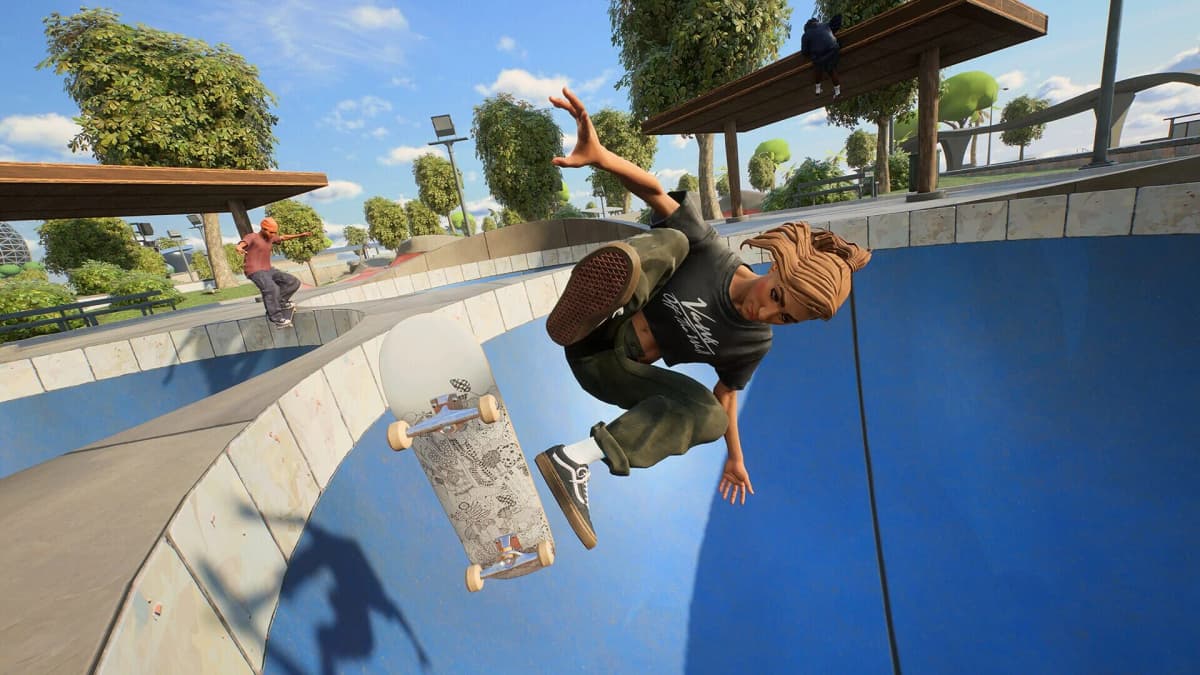
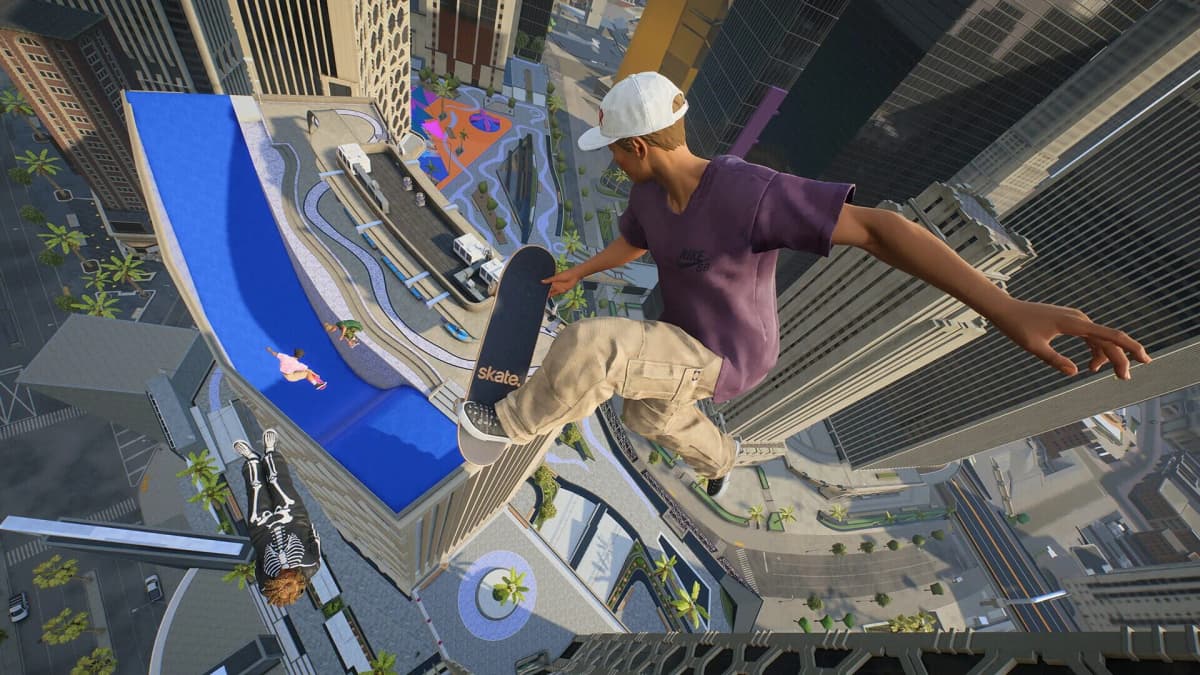
San Vansterdam is the new playground: a sprawling city carved into four distinct districts that promise different flows and vibes. Think classic San Vanelona spirit, scaled up for 2025’s social sandbox expectations. Sessions can include up to 150 skaters sharing the same space, which is wild for a skate game and immediately raises questions about instancing, density, and whether we’re talking Forza Horizon festival energy or actual organic street skating.
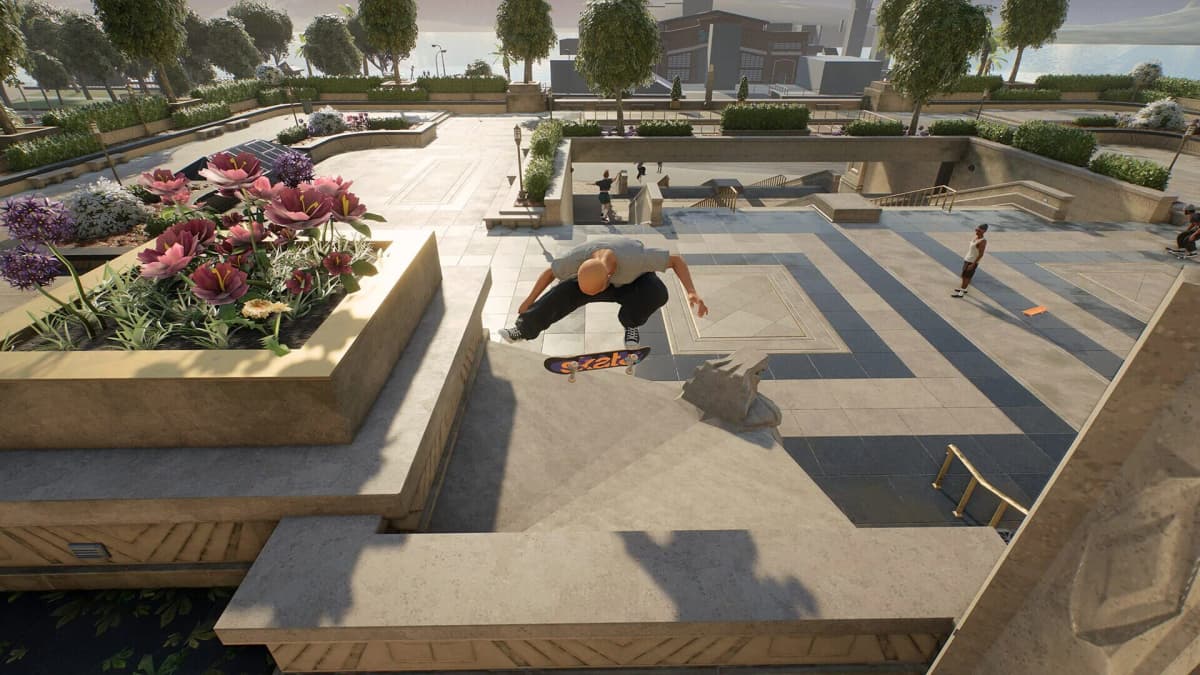
The feature list leans into creation and collaboration. Real‑time object drops—ramps, rails, benches—let you sculpt a spot mid‑session without fussy editors. That makes sense for the series: Skate has always been about reading a line differently, and Quick Drop turns that into a live tool instead of a menu. Off‑board controls (walking, climbing, swinging) are here to stitch spots together and open hidden routes. There’s also a “Skatepedia,” essentially an in‑game knowledge base and onboarding tool to help newcomers grasp Flick‑It nuance and trick naming without endless YouTube detours.
Under the hood, Full Circle’s using Frostbite. That’s a double‑edged deck—Frostbite can deliver gorgeous lighting and smooth materials, but it’s also notorious for toolchain growing pains. The promise is a refined Flick‑It: still stick‑precision, just cleaner input reading and better board feel. I’m eager to see if nollie/stance detection, catch timing, and revert consistency get the love they deserve. If shove‑its still snap like they did in Skate 3 and late catches feel heavy rather than floaty, we’re in good hands.
Skate games live or die on feel and community. Tony Hawk’s remaster reminded everyone how good muscle‑memory skating can be, but it’s the culture around spots, clips, and one‑up sessions that keeps players coming back. A 150‑player city could become a genuine social skatepark—spontaneous games of S.K.A.T.E., film crews capturing lines, builder crews reshaping ledges in seconds. Or it could devolve into chaotic lobbies where your perfect line gets bulldozed by a crowd. Design discipline (and strong filtering tools) will decide which side we land on.
The business model is free‑to‑play with seasons. EA says “no pay‑to‑win,” which is the bare minimum. The real question: will cosmetics and board parts be locked behind battle passes, time‑limited drops, and grindy challenges that punish casuals? Skaters want to express style; if basic fits and decks feel nickel‑and‑dimed, the vibe dies. On the flip side, a healthy cosmetic economy can keep the lights on and fund new districts and spots. It’s a tightrope, and EA’s history means the community will scrutinize every storefront update.
Always‑online is the sticking point. I get why—shared world, live events, moderation—but skating is also meditative. Sometimes you just want to grind a ledge in peace. No offline free‑skate means server outages or travel dead zones equal no game. Ideally, Full Circle ships robust solo instances or private sessions that don’t feel like afterthoughts, with fail‑safe boot behavior if the servers wobble.
Cross‑progression is confirmed, which is great. Cross‑play is strongly hinted at for those shared spaces, though I’ll wait for the final word. Performance is another biggie: targeting old hardware (PS4/Xbox One) alongside PS5/Series X|S and PC is ambitious. If the city truly holds 150 skaters, expect smart instancing, LOD tricks, and maybe population scaling by platform. I’d love to see a clean 60fps option on current‑gen—skating’s timing demands it.
One thing I’m genuinely excited about: the potential for creator culture. If clip editing, replay cameras, and spot sharing are frictionless, skate. could become a daily clip machine the way Skate 3 was for YouTube. Give us camera depth of field, proper keyframes, and easy social exports, and the community will do the rest.
Early access on September 16 means the foundations are there—four districts, the revamped Flick‑It, real‑time creation, seasonal structure—with the understanding that systems will evolve. That’s fine. Just be transparent about progression changes, server wipes (if any), and monetization experiments. If Full Circle listens like it did during playtests and nails the board feel, skate. could be the social skatepark we’ve been waiting for.
skate. finally lands September 16 in free early access, bringing a 150‑player city, refined Flick‑It on Frostbite, and build‑as‑you‑go spots. It also demands a permanent internet connection and leans on live‑service monetization. If the board feel sings and the economy stays fair, this could be the new home for virtual skaters.
Get access to exclusive strategies, hidden tips, and pro-level insights that we don't share publicly.
Ultimate Gaming Strategy Guide + Weekly Pro Tips