
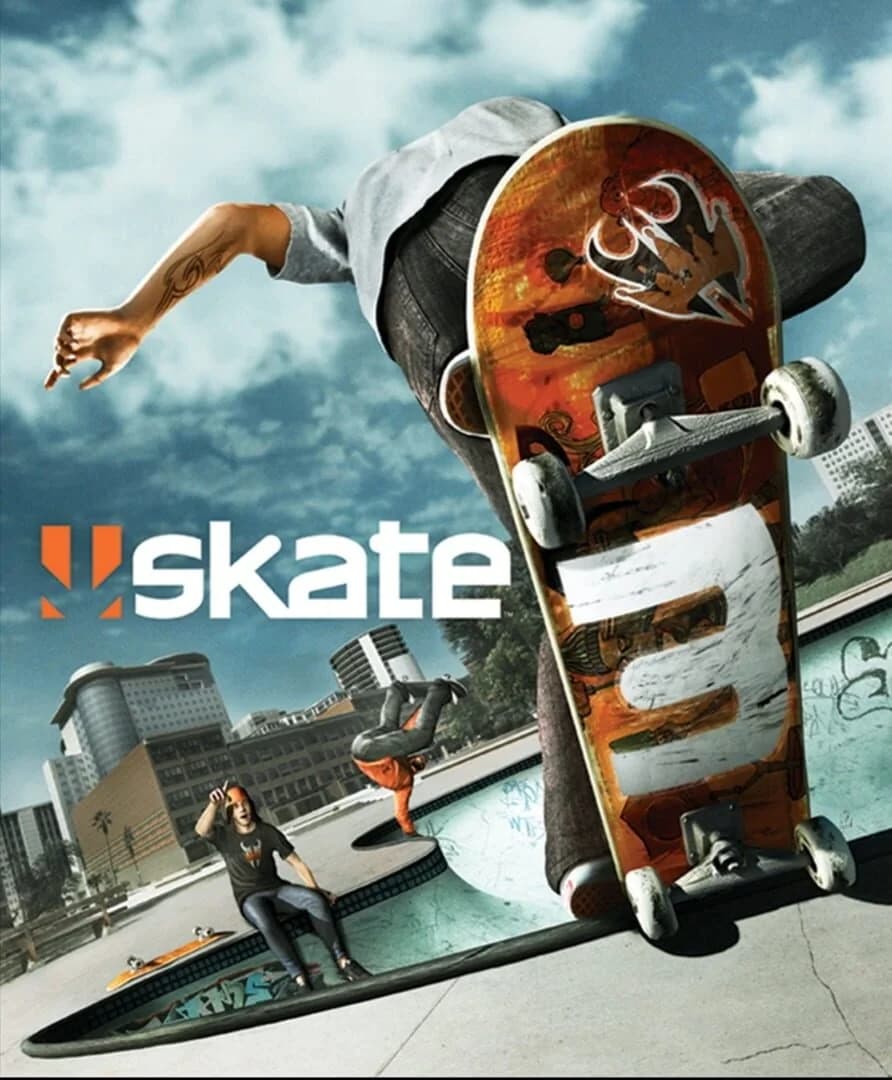
skate. hits Early Access with Season 1 in sight — but how grindy is the new skate.Pass?
Game intel
skate.
Compete in one of skateboarding’s biggest annual contests. For the first time ever, the Maloof Money Cup travels east to New York where you'll skate the course…
Early Access drop-in: why this caught my eye
The Grind: Vol. 6 is more than a vibe check-it’s Full Circle finally planting a flag for skate.’s Early Access era and sketching the first real road map. As someone who lived through the highs of Skate 2’s San Vanelona and the community chaos of Skate 3’s Hall of Meat lobbies, this update hits the two things I care about most: how it plays and how it gets paid. There’s a lighting overhaul, a seasonal skate.Pass with more than 80 rewards, Founder Packs, brand partners, soundtrack adds, and a trick timeline that finally says “yes, Darkslides are coming.” Let’s cut through it.
Key takeaways
- Early Access launches with a visual lighting pass aiming for a more grounded, less blown-out look.
- Season 1 brings events, new skateable areas, brand collabs (Santa Cruz, Independent, Creature), and fresh tracks from Operation Ivy and Jurassic 5.
- skate.Pass splits 80+ rewards across free and premium routes using a seasonal currency (Tix) to unlock pages.
- Founder Packs bundle cosmetics, Season 1’s skate.Pass, and premium currency (SVB) equal to purchase value-watch the monetization math.
Breaking down the announcement
First up, visuals. The lighting update aims to ground San Vansterdam with less harsh contrast. Earlier Insider builds leaned into a high-contrast, almost glossy presentation that looked slick in screenshots but could flatten detail and kill depth perception at speed. If this pass improves spot readability-think stair shadows, ledge edges, and how materials pop under overcast skies—that’s a net win for lines and consistency. Full Circle says it’s just the start, and honestly that’s the right call: lighting iteration radically affects trick timing and how “honest” terrain feels.
Season 1 is loaded with the sort of live-service cadence we expected: new areas to session, themed events like Skate-o-ween and Maple Harvest, more cosmetics, bugs squashed, and QoL tweaks. The big cultural nods are the partners and music—Santa Cruz, Independent, and Creature are core skate staples, and dropping Operation Ivy next to Jurassic 5 is exactly the punk/hip-hop blend that gave Skate its identity in the PS3/360 era.
Monetization check: the skate.Pass and Founder Packs
Here’s the part that’ll either keep the community stoked or spark a flame war: the skate.Pass. You earn seasonal currency (Tix) by playing, then spend Tix to unlock reward “pages.” More than 80 rewards are split between free and premium tracks. The good: a free lane exists, and progress is tied to play, not just swipe. The caution: page-based unlocks can hide grind walls—if Tix earn rates are stingy or time-limited pages rotate out, FOMO enters the chat.
Founder Packs arrive in Standard and Deluxe flavors with upgrade paths. They’re pitched as “strong value,” bundling cosmetics, Season 1’s skate.Pass, and SVB (premium currency) equal to the purchase price. That “equal to the purchase price” line is clever marketing math; it often means you’re buying currency and getting cosmetics/Pass as the perceived bonus. For cosmetics-driven games, that’s fine—as long as gameplay isn’t gated and earn rates for non-spenders stay respectful. Keep an eye on whether deck brands, outfits, and stickers are purely cosmetic or sneak in completion bonuses via challenges or XP boosts.
The tricks and legacy modes timeline
Full Circle is saying the right things about feel. They’ve “resurrected Flick-It in Frostbite,” which is the hill this franchise lives on. If analog stick nuance isn’t tight, nothing else matters. The studio’s Q&A finally dates some long-requested moves: Impossibles and expanded Handplants land in Season 2; Darkslides and improved Footplants/Boneless arrive in Season 3. It’s not the full Skate 3 bag yet, but it’s a real runway for depth. My ask: nail foot placement and grind entry angles so Darkslides feel earned, not macro-friendly.
On modes, the answer was “we’re looking at bringing legacy game modes into the city” via seasonal patches. Translation: expect city-integrated riffs on Own the Spot, Deathrace, maybe a modern Hall of Meat twist, but don’t hold your breath for a one-to-one port next month. If they can build social hubs and organic challenges around San Vansterdam’s geometry, that could be better than chasing nostalgia. Still, a structured Own the Lot-style ladder would help anchor progression alongside the seasonal track.
Community pulse and the numbers flex
The Insider Preview stats are very EA: 181 million kickflips, 134 million ollies, 20 million laserflips, and a surprisingly healthy 300k Rocket Airs. Fun trivia, not proof of tuning. What matters is whether consistency exists across sessions—does a 360 flip feel the same at the library ledge at noon as it does at dusk downtown after the lighting pass? Do reverts and footplants chain cleanly without the animation hitch we saw in early clips? That’s the bar longtime fans will judge.
Why this matters now
Skate-likes have split into two camps: sim-purists (Session, Skater XL) and arcade-polish (THPS 1+2). The original Skate thread the needle with expressive controls and just enough friction. skate. has the chance to reclaim that lane, but live-service layers are a double-edged board. Seasonal content can keep spots fresh; battle pass pacing can also burn a scene out. If Full Circle respects time—solid Tix rates, generous challenges, no sneaky power progression—this model can work for a social skate playground.
What to watch next
Three things I’ll be tracking in Early Access: consistency of Flick-It across frame rates and lighting conditions; how “page” unlocks feel over a two-week grind; and whether Season 1’s events actually surface good lines (not just cosmetic checklists). If the founder bundle ends up the shortest path to feeling “complete,” expect pushback. If the free track plus smart challenges let you drip-feed a stylish setup without paying, skate. earns goodwill fast.
TL;DR
skate. drops into Early Access with a visual glow-up, a fully armed seasonal pass, and a clear trick roadmap. The vibe is right—brands, music, events—but the long-term win hinges on fair progression and dialed-in Flick-It feel. Keep your eyes on Tix pacing, founder value, and whether those Season 2/3 tricks stick the landing.