
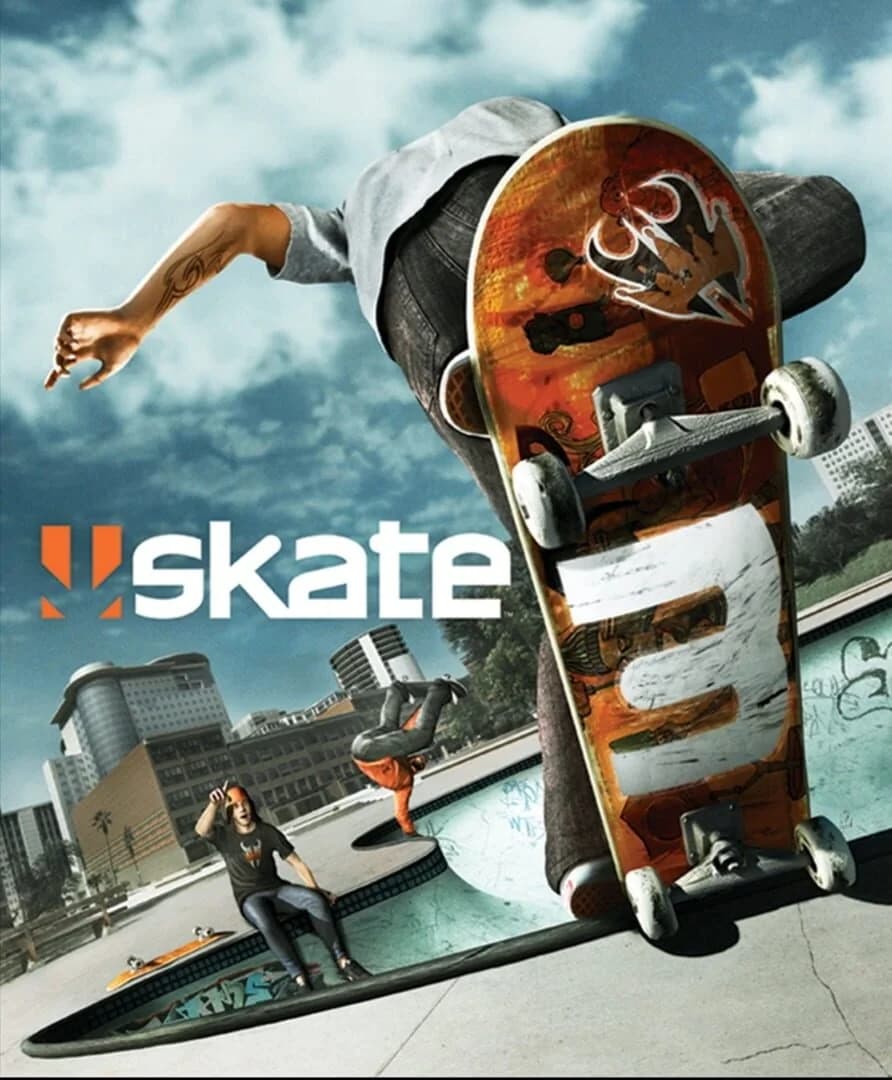
Skate.’s Early Access Lands With Style—and a Culture Clash
Game intel
skate.
Compete in one of skateboarding’s biggest annual contests. For the first time ever, the Maloof Money Cup travels east to New York where you'll skate the course…
“I waited half my life for this game to look like Fortnite” – Skate. is finally here, and players are divided
After 15 years and a lot of “when’s Skate 4?” memes, Skate. (yes, with the period) rolled into early access on September 16 across PC, PS4/PS5, and Xbox One/Series. The legacy is massive-Skate 3 was a cult classic-and the pressure on EA’s new studio, Full Circle (founded in 2021 after Black Box closed years ago), is even bigger. My first take? The board feel is there. The vibe, not always. And that’s why you’re seeing everything from praise to “I waited half my life for this game to look like Fortnite.”
- Steam user reviews sit around 46% positive from nearly 7,000 ratings—clear division, not a slam dunk.
- Players broadly like the core feel and animations; the trick set and lines can be satisfying.
- Free-to-play opens the door for everyone, but the live-service grind and pricey cosmetics are a sticking point.
- Missing cult modes (S.K.A.T.E., spot battle, deathrace, Hall of Meat) and tricks (darkcatches, fingerflips) hurt nostalgia.
The Real Story Behind the Backlash
Let’s start with the good. Most players agree the fundamentals feel right. The stick-based control scheme still translates to that “I actually landed this” rush, and the new animations are smooth and grounded in reality. As someone who wore out Skate 3’s Hall of Meat replays and spent nights filming lines, that matters more than any storefront or season pass. It’s also free-to-play—a first for the series—which lowers the barrier for anyone curious to try it without buyer’s remorse.
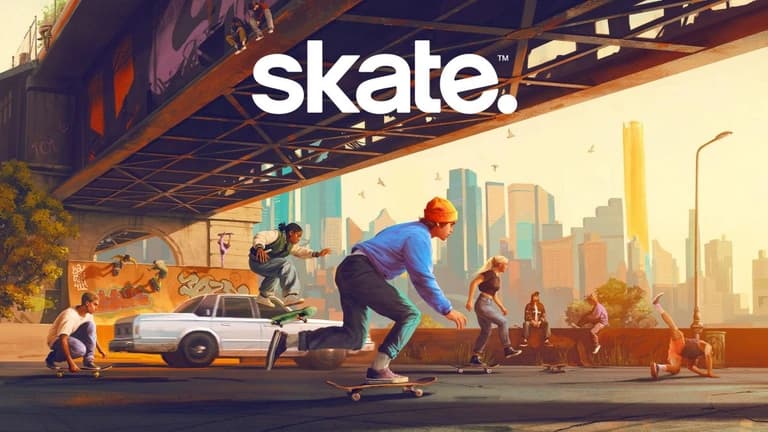
So why the heat? A lot of it is presentation and priorities. The art direction is cleaner, flatter, and brighter—a look many are comparing to Fortnite or Sims Mobile. That’s not a dealbreaker on its own, but skate culture is allergic to anything that feels overly market-tested. When the tone of the writing and cosmetics reads more “live-service mascot” than “DIY thrift-shop grit,” players call it out. I get it: skateboarding is subculture first; if the vibe’s off, everything else feels off.
Then there are the tools and features that matter to the community. The replay editor reportedly lacks keyframes and stability—the exact tools filmmakers in the scene rely on. Spots can feel blocked by immovable objects, whereas Skate 3 let you shape the environment. Missions lean repetitive, clearly designed for a live-service loop rather than expressive play. And the absence of classic tricks like darkcatches and fingerflips is baffling for a sequel carrying this much history.
Most damning to series veterans: the missing modes. S.K.A.T.E., spot battle, deathrace, Hall of Meat—these weren’t side dishes, they were the meal. The lack of recognizable pro skaters under their own identities doesn’t help immersion either. Put it all together and you can see why the Steam reviews cratered. This doesn’t look like pure review bombing; the complaints are specific and consistent.
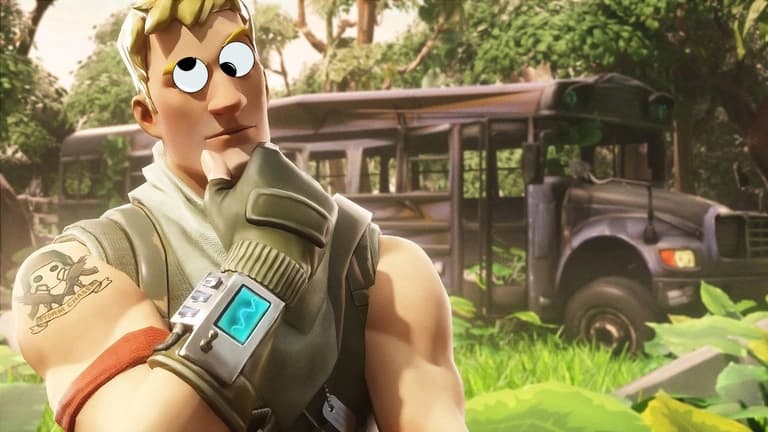
Live Service Meets Skate Culture—A Harder Line to Land Than a Tre Flip
Free-to-play can work for a skill-driven game. Apex Legends proves EA can run a live service that respects players if the grind is fair and the cosmetics are optional flavor. But skating as a culture is allergic to FOMO and predatory monetization. If store items feel too expensive or omnipresent, it erodes goodwill fast. The community would rather pay for a chunky expansion that adds meaningful modes and tools than nickel-and-diming for drip that doesn’t nail the scene’s look.
There’s also genre context. Session and Skater XL carved out space by going hard on authenticity and giving players creative control—even when rough around the edges. Tony Hawk’s remasters leaned into nostalgia with modern polish and minimal monetization noise. Skate. is attempting something trickier: a live-service platform for skateboarding. That’s a smart long-term play if the updates deliver, but in early access, it means you’re shipping a vibe and a roadmap. Right now, the vibe is mixed and the roadmap needs to speak loudly.
Want to Level Up Your Gaming?
Get access to exclusive strategies, hidden tips, and pro-level insights that we don't share publicly.
Ultimate Gaming Strategy Guide + Weekly Pro Tips
What Players Should Watch Next
- Modes roadmap: Clear timelines for S.K.A.T.E., spot battle, deathrace, and Hall of Meat will calm veterans fast.
- Creator tools: A replay editor with keyframes, stable cameras, and better spot manipulation is essential for the scene.
- Economy tuning: Transparent pricing, generous earn rates, and fewer intrusive cosmetics would rebuild trust.
- Trick list and feel: Adding missing staples like darkcatches and fingerflips, plus deeper footplant/boneless nuance, would show respect for the series’ DNA.
- Identity and tone: Let pros be themselves and sand down the “mascot-y” vibe; lean into real-world skate flavor over live-service gloss.
Early access isn’t a get-out-of-jail-free card, but it is a chance to course-correct. The encouraging part is that most criticisms—aside from the art direction—are fixable. Full Circle ran years of playtests, so the team clearly cares. Now it’s about prioritizing what skaters actually value: expression, community competition, and tools that let us make our own stories.
TL;DR
Skate. nails the feel and animations, and free-to-play makes it easy to try, but live-service bloat, divisive visuals, missing modes, and thin creator tools are holding it back. If Full Circle delivers a fast roadmap for classic modes, fair monetization, and better tools, this could still become the modern skate platform fans have waited a decade and a half to play.