
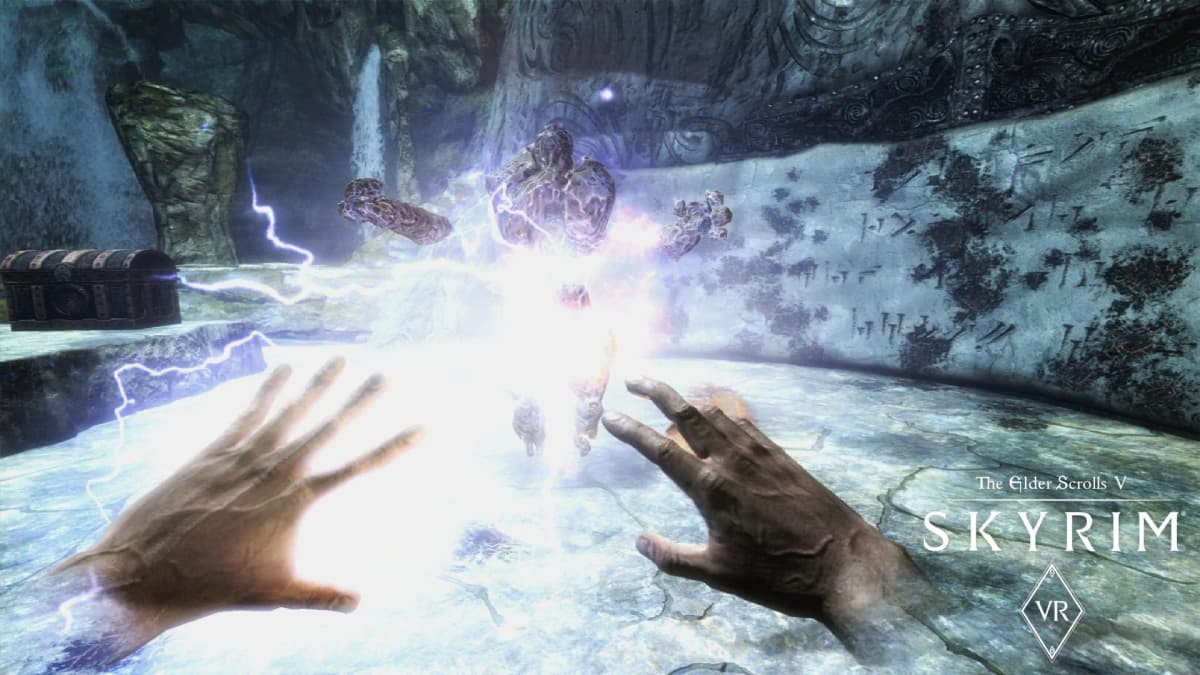
Skyrim hits Switch 2 with DLSS and mouse Joy‑Cons — but is another re-release worth it?
Game intel
The Elder Scrolls V: Skyrim
Skyrim reimagines and revolutionizes the open-world fantasy epic, bringing to life a complete virtual world open for you to explore any way you choose. Play an…
Skyrim’s Switch 2 Anniversary Edition lands – again. Here’s what actually matters.
This caught my attention because Bethesda isn’t just releasing Skyrim again – it shipped a native Switch 2 Anniversary Edition that leans on hardware perks like DLSS, faster loading, and new Joy‑Con 2 mouse controls. That sounds useful on paper, but early reports of input delay and performance hiccups mean this launch is less “classic return” and more “handle with caution.”
Key takeaways
- Switch 2 gets a native Anniversary Edition with DLSS, faster loads and mouse Joy‑Con support – obvious technical wins if they work.
- Players are already reporting input lag and performance problems; Bethesda says it’s investigating.
- Pricing and upgrades are messy but predictable: free if you owned the Anniversary on original Switch; $60 full price; $20 upgrade path from vanilla Switch owners.
- Another re‑release fuels the “Skyrim every platform” joke — but it still reaches new players and taps into a massive mod scene.
Breaking down the Switch 2 release — what’s new, and why it’s not trivial
Bethesda’s creative director Matt Carofano admits what the community already jokes about: “It’s a bit of a joke at this point how often we release Skyrim.” But he defends the move: new hardware equals new players. For people buying a Switch 2 who’ve never played Skyrim, a native build with meaningful quality‑of‑life improvements actually matters.
On Switch 2 Bethesda highlights three headline changes: DLSS for better resolution/performance, faster loading times, and support for the Joy‑Con 2 mouse controls. Those are real features that can improve the experience on a handheld hybrid — especially the load times if they cut down on our usual “fast travel → wait” complaint. And adding mouse support to Joy‑Cons? That’s legitimately practical for an RPG built around aiming and menus.
FinalBoss // Gear
Level up your setup
01Best-selling Switch 2 gameson Amazon→02Switch 2 accessorieson Amazon→038BitDo controllerson Amazon→04Discounted game keyson Kinguin→Affiliate links · As an Amazon Associate, FinalBoss earns from qualifying purchases.
But there’s a catch: quick porting and quality control
Carofano framed the Switch 2 version as an “easy development process” compared to new game development. That’s reasonable — porting a decade‑old game is often faster than making a whole new title. But speed can bite you. Players quickly flagged input delay and other performance issues after the December 9 launch; Bethesda says it’s investigating but hasn’t given a timeline for fixes.
That sequence raises a fairly blunt question: when you ship rapid ports to squeeze new hardware cycles, are you prioritizing reach over polish? Bethesda’s own track record with multiple re‑releases and a history of post‑launch patches suggests they’ll fix problems — eventually. But gamers have to decide whether they want to buy in at launch or wait for the inevitable patches.
Want to Level Up Your Gaming?
Get access to exclusive strategies, hidden tips, and pro-level insights that we don't share publicly.
Ultimate Gaming Strategy Guide + Weekly Pro Tips
What gamers need to know right now
- Price and upgrade paths: Full price on Switch 2 is $60 for new buyers. If you owned the Anniversary Edition on original Switch, the Switch 2 upgrade is free. Owners of the non‑Anniversary Switch version can upgrade to Anniversary for $20 and then get the Switch 2 build free.
- Content: Anniversary Edition bundles the base game, three official expansions, and Creation Club content — so it’s the “complete” package Bethesda markets.
- Performance risk: Wait for community reports and Bethesda’s fixes if input responsiveness is a priority for you.
- Mods & longevity: Skyrim’s huge mod scene means this edition could keep thriving, assuming mod support or tooling isn’t limited on Switch 2.
Why this matters beyond one more port
Skyrim has sold over 60 million copies and still sits in the top ten best‑selling games of all time. That longevity comes from a mix of an accessible base RPG, endless mods, and Bethesda’s habit of reintroducing the game every hardware cycle. The cynical take — “stop printing Skyrim” — isn’t wrong, but neither is the practical one: each new platform buys the game a fresh audience. The risk is diminishing returns: if every new release is rushed and buggy, goodwill will erode.
Meanwhile, The Elder Scrolls VI remains years away. Todd Howard’s reminders that that game is “still a long way off” make these incremental Skyrim releases understandable as a company strategy to keep the IP alive and profitable while the next big project gestates.
TL;DR
Skyrim on Switch 2 promises real, tangible upgrades (DLSS, faster loading, Joy‑Con mouse), but the early reports of input lag and the rushed feel of a quick port mean this one’s worth waiting on unless you’re desperate to play on day one. Bethesda will sell copies regardless, but gamers should expect post‑launch patches — and maybe think twice before treating this like a must‑buy.