
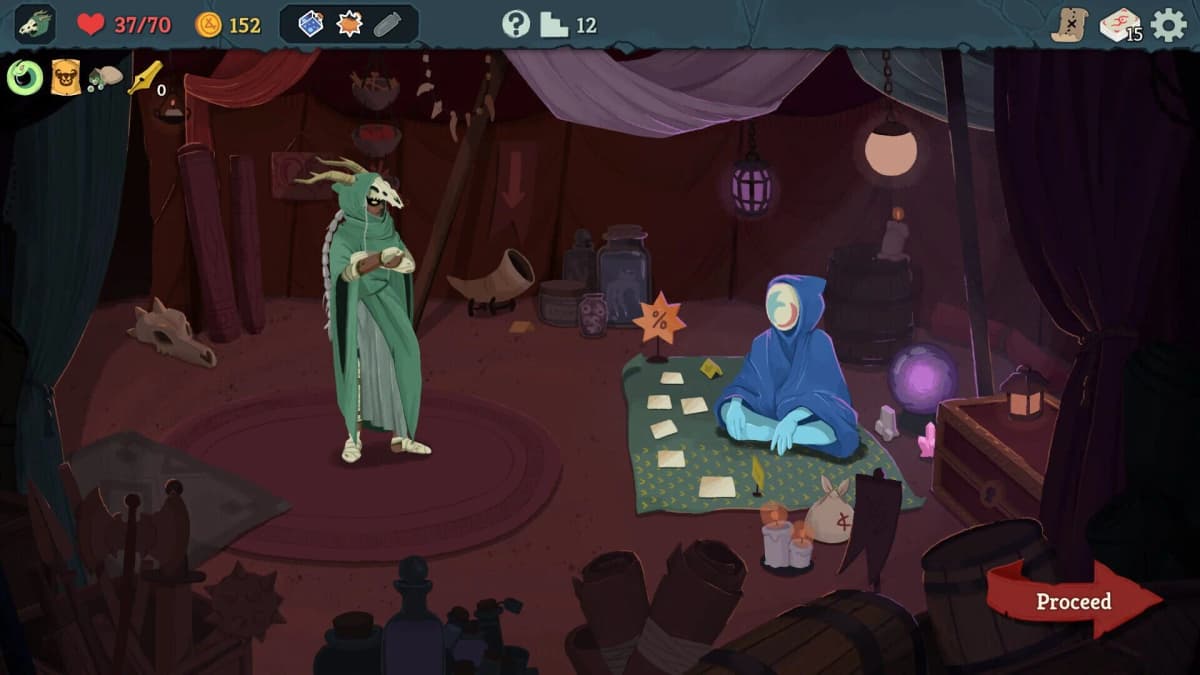
Slay the Spire 2 Early Access Pushed to March 2026 — The Real Take for Players
Game intel
Slay the Spire 2
The iconic roguelike deckbuilder returns! Craft a unique deck, encounter bizarre creatures, and discover relics of immense power in Slay the Spire 2 - featuri…
Slay the Spire 2 Delay: What Actually Matters to Players
This one caught my attention because Slay the Spire is the roguelike deck-builder that set the gold standard-and I’ve sunk an embarrassing number of hours into it. Mega Crit has pushed Slay the Spire 2’s early access from late 2025 to March 2026. The studio says the call was made before the recent Hollow Knight: Silksong news, and it comes down to polish, team breathing room after personal life events, and a bigger scope than first planned. That’s the headline, but the real story is what this means for how we’ll actually play the sequel.
Key Takeaways
- Early access starts March 2026, with full 1.0 likely well after that-don’t expect a quick turnaround.
- The delay is about polish and ambition, not a pivot to monetization or feature creep (good sign).
- Mega Crit is prioritizing team health; that usually leads to better balance and fewer crunch-fueled mistakes.
- Expect a meatier early access foundation rather than a barebones “pay to beta test” drop.
Breaking Down the Delay-And Why It’s Probably the Right Call
Mega Crit’s note hits three points: they want more polish, they need to give the team time after personal events, and the game has grown in scope. If you followed Slay the Spire’s early access journey, this tracks. The original thrived in EA because the devs shipped thoughtful cadence updates and listened closely; the balance passes, event tweaks, and relic iterations turned a clever prototype into a genre-defining game. Rushing a sequel just to hit a calendar date would be the fast lane to “good, not great.”
And on the human side: letting a small team slow down after life hits is the kind of call that rarely makes investor decks but almost always improves the final product. We’ve all seen what crunch does to design judgment—reckless nerfs, content shipped half-baked, and patches that create more problems than they fix. I’ll take a steadier hand at the wheel.
The studio says the decision came before the latest Silksong announcement. Sure, no one wants to launch next to an indie juggernaut, but the bigger point is that Spire 2 needs breathing room—space to gather feedback and meaningfully act on it. March 2026 gives Mega Crit that runway.
What This Changes for Players
If you were penciling in late 2025 to start climbing again, adjust your expectations. March 2026 early access means we’re looking at a long testing window before 1.0, and that’s not a bad thing for a deck-builder. Balance is the entire game. Early access only works if the foundation is substantial enough to iterate on—and the delay suggests Mega Crit wants to launch EA with more characters, enemies, and events in place rather than drip-feed content to keep a storefront page active.
Console players: historically, Mega Crit has focused PC first and ported later once the build stabilizes. Nothing here suggests that pattern will change. If you’re on PlayStation, Xbox, or Switch, you’ll likely be waiting until after EA wraps. It’s not ideal, but it also prevents you from playing a churny, constantly changing build that makes console patching a headache.

Mod scene watchers: the original game’s longevity owes a lot to community creations. While Mega Crit hasn’t laid out the full plan, it’s reasonable to expect they’ll keep moddability in mind. The question is how early that support lands. If it’s there from the start of EA, expect the community to pressure-test builds even faster; if it arrives later, we’ll get a more controlled balance phase first. Either approach can work—just don’t overpromise to modders and then move the goalposts.
Want to Level Up Your Gaming?
Get access to exclusive strategies, hidden tips, and pro-level insights that we don't share publicly.
Ultimate Gaming Strategy Guide + Weekly Pro Tips
Industry Context: Early Access Isn’t a Free Pass Anymore
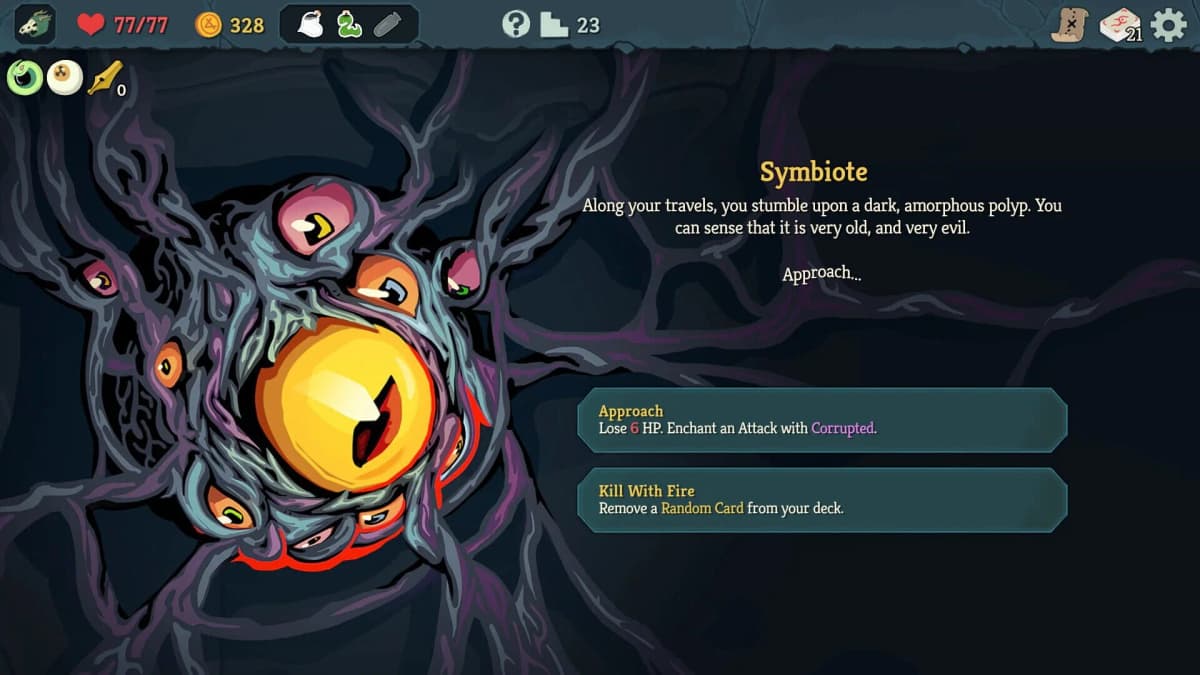
We’re past the era where “it’s early access” excuses thin content. Players have been burned by glorified paid alphas, and deck-builders live or die on replayability, not a marketing roadmap. Hades proved that early access can fuel an all-timer with thoughtful iteration; Balatro reminded everyone that card games can dominate the conversation when the core loop is immaculate. Spire 2 has to launch EA with enough variety to feel fresh for veterans while still readable for newcomers. That’s a tough balance, but Mega Crit has done it once.
The other elephant in the room: sequel expectations. The safest play would be “more Spire,” but the best sequels evolve the formula without breaking what’s sacred—tight decision density, transparent information, and the signature push-pull of risk versus reward. If the delay means more time to prototype new mechanics and kill the ones that don’t sing, good. I’d rather lose a flashy but brittle system in pre-release than see it nerfed into oblivion a month after launch.
What to Watch Before March 2026
- Scope at EA launch: How many characters, acts, and events ship on day one? A substantial baseline signals confidence.
- Patch cadence: Monthly balance passes with transparent notes would echo what worked last time.
- Communication clarity: Set expectations about save compatibility, run-killing bugs, and how aggressive balance changes will be.
- Mod roadmap: Even a rough timeline for tools and compatibility would calm the most invested part of the community.
In the meantime, the best prep is the obvious one: revisit the original. If you stepped away before the meta matured, you’ll be surprised how many lines still feel fresh. And if you never touched the community’s best challenge runs and total conversion mods, you’ve got plenty to chew on while the sequel bakes.
TL;DR
Slay the Spire 2’s early access delay to March 2026 isn’t a red flag—it’s a quality move. Mega Crit is buying time for polish, team health, and a meatier EA launch. PC players will get it first, consoles likely after 1.0. If the studio repeats its transparent, iteration-heavy approach, the wait should pay off where it counts: in the decisions you make every single turn.