
Slay the Spire 2 is the rare sequel that hits Early Access looking more like a finished game than a prototype – and somehow the first big story isn’t the polish, it’s the outrage over balance patches.
When a single-player roguelike deckbuilder is getting review-bombed because you can’t loop yourself into godhood quite as easily, something fundamental about how players see that game – and what the devs think they’re making – is colliding.
Table of Contents (8)
Key takeaways
- Early Access Slay the Spire 2 is already a full three-act roguelike with five characters, hundreds of cards and relics, and official four-player co-op – this is not a barebones beta.
- Core gameplay is “STS, but sharper”: new mechanics, tougher bosses, richer maps and presentation, without throwing out what made the original a classic.
- A nerf-heavy beta patch, especially to Silent’s combo enablers, triggered over 13,000 negative Steam reviews in two days and forced Mega Crit to partially roll back changes.
- The fight isn’t just over numbers – it’s over whether a single-player roguelike should aggressively balance away the broken, degenerate runs that many players see as the whole point.
An Early Access launch that feels like a stealth 1.0
Slay the Spire 2 landed on Steam Early Access in March 2026 with the kind of confidence you almost never see in this space. You can play full three-act runs from day one. There are five playable characters, not just a token starter plus “more later.” The original trio – Ironclad, Silent, Defect – are back with reworked kits, joined by newcomers like the Regent and the Necrobinder, who bring fresh resource systems and keywords to the table.
Under the hood, it’s still the same core loop: build your deck one card at a time, crawl a branching map of fights and events, pray your relics line up with your draw engine, and die a lot. But almost every layer has been tweaked. Ancients now stand in for the old boss relic system, acting like godlike patrons that reshape your run. New mechanics like Doom and star-style resources give certain characters more long-term planning and delayed payoff, while bosses hit harder and have trickier patterns to punish autopilot play.
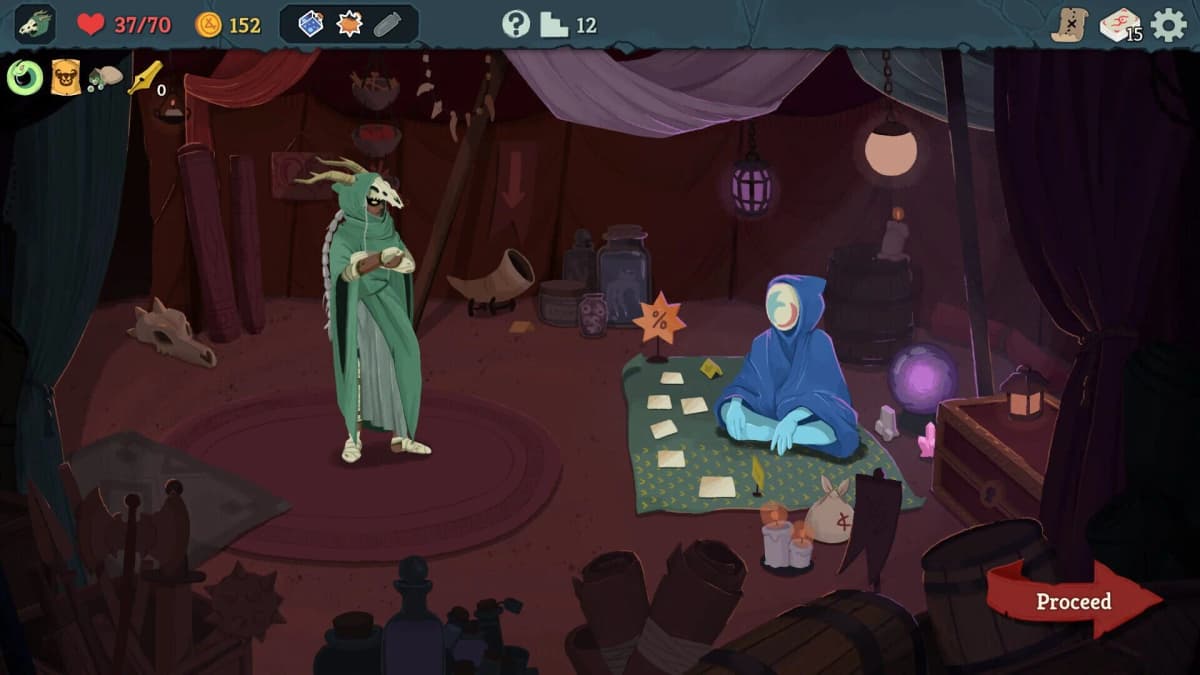
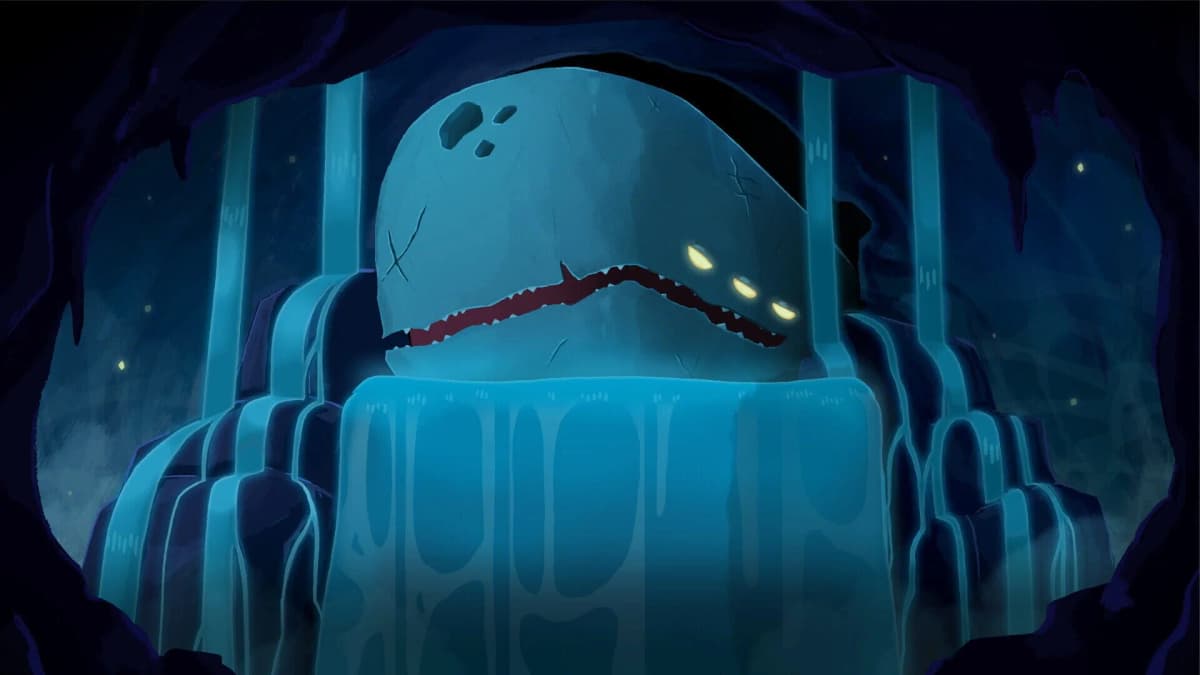
Then there’s the stuff you notice before you even draw your first hand: dramatically improved visuals, new biomes that make each Act feel like an actual place instead of a reskinned corridor, and environmental storytelling that finally fleshes out the weird cultish world the first game only hinted at. NPCs, side characters, and new event art all push it toward something that feels like a real setting, not just a procedural treadmill.
Most Early Access games promise this kind of scope “eventually.” Slay the Spire 2 basically shows up with it. What’s missing right now are the edges: a “true ending,” deeper Epoch meta-progression, and a few systems (like co-op) that clearly aren’t at their final form. But if you just want to play runs, this is already a multi-hundred-hour timesink.
Mega Crit made a sequel for sickos – then nerfed the sickness
So why the backlash? Because the people who live in Slay the Spire – the ones who grind high Ascension, find infinite loops, and theorycraft busted builds in spreadsheets – are running into a different Mega Crit than the one they remember.
Shortly after launch, a beta branch patch went hard at the kinds of strategies that define high-level play. In particular, changes to The Silent’s toolkit – including Prepared, a classic enabler for draw manipulation and loop setups – made certain infamous infinite combos either much harder or outright impossible. This wasn’t a tiny nudge; it was the kind of pass that says, “We don’t actually want you doing this.”
The reaction was nuclear. According to Mega Crit co-founder Casey Yano, the game was hit with over 13,000 negative Steam reviews in just two days, a massive spike that caught the team off guard. A huge share of the backlash came from Chinese players, who’ve increasingly used Steam reviews as their main pressure valve when they feel ignored or cut out of communication channels.
The devs walked back at least part of the change, rolling back the Prepared nerf and publicly urging players to send feedback via an in-game F2 tool instead of torching the reviews. They also admitted this wave of negativity was “much more extreme” than anything they’d dealt with before, and that their communication and feedback loops weren’t ready for the scale of Slay the Spire’s global audience.
This is where the frustration kicks in – on both sides. From the design chair, it’s obvious why Mega Crit wants to prune infinities. They’re trying to keep the game readable, avoid degenerate patterns that trivialise entire Acts, and make sure new mechanics don’t collapse into the same half-dozen “correct” lines every run. From the player side, if you bought Early Access to go hunting for exactly those busted lines, getting them patched out days later feels like getting the toy taken away as soon as you figure out how it works.
The real fight: is a single-player roguelike supposed to be “balanced”?
Underneath the noise, this isn’t actually an argument about one card. It’s about what Slay the Spire is.
The first game absolutely had broken nonsense in it. Infinite shiv loops, Barricade block stacks that made you untouchable, Claw or Poison builds that turned bosses into training dummies. Mega Crit tightened some of that over years of patches, sure, but they never fully scrubbed the thrill of “I accidentally built a monster” out of the design. That’s part of why the game has a life far beyond casual players – there’s a rabbit hole to fall down.
Slay the Spire 2, at least in these opening weeks, feels like it’s walking a thinner, more “professionalised” line. Some early reviewers even noted that high-difficulty play felt a bit easier initially, with stronger average decks and more reliable power spikes, before the nerf bat came out. Toss in the new Ancients, new relic synergies, and co-op enabling more wild card interactions, and it’s clear the designers know exactly how much chaos they’re inviting – they just don’t want it spinning fully out of control.
That’s where the alarm bells start ringing. When you aggressively balance a single-player roguelike like a competitive card game, you risk sanding off the edges that give it personality. Most players are never going to see the Silent infinite in the first place. The ones who do are there because they want to snap the game over their knee. Punishing that group every patch is how you turn your hardcore base into a QA department that doesn’t feel paid.
The uncomfortable question for Mega Crit is this: do you want Slay the Spire 2 to be a perfectly tidy tactical puzzle, or a machine that occasionally lets you become a god? Because the Early Access crowd – especially in regions where community tools and official forums are harder to access – will absolutely make their preference known through reviews and word of mouth.
Under the shine: what’s actually new, what’s not, and what’s half-baked
Strip away the balance drama and you’re left with a sequel that is, unsurprisingly, deeply iterative. If you bounced off the first Slay the Spire, this won’t convert you. The structure is almost identical, a lot of cards and relic effects will trigger déjà vu, and some of the new meta-layer systems don’t fully justify their existence yet.
The Epoch timeline – a kind of long-term progression and lore framing device – is present but thin. It hints at a bigger arc for the Spire and its world, but right now it’s more mood than machinery. The “true ending” equivalent isn’t in yet, so hardcore players chasing ultimate completion are currently just iterating runs for their own satisfaction.
Co-op is the other obvious “new feature” that feels like a work in progress. On paper, official four-player Slay the Spire is a dream – a mode people have been modding toward for years. In practice, the current implementation is more proof-of-concept than killer app: the pacing is uneven, decision-making drags when multiple players are trying to navigate one map, and the UI clearly wasn’t built from the ground up for multiplayer readability.
That said, when it works, it really works. Combining character-specific mechanics – like feeding Doom counters into massive nukes, or chaining support-style relics around a single hyper-carry build – shows how much space there is for co-op STS to grow into something special. It just isn’t there yet, and if you’re buying solely for the co-op fantasy, you’re early.
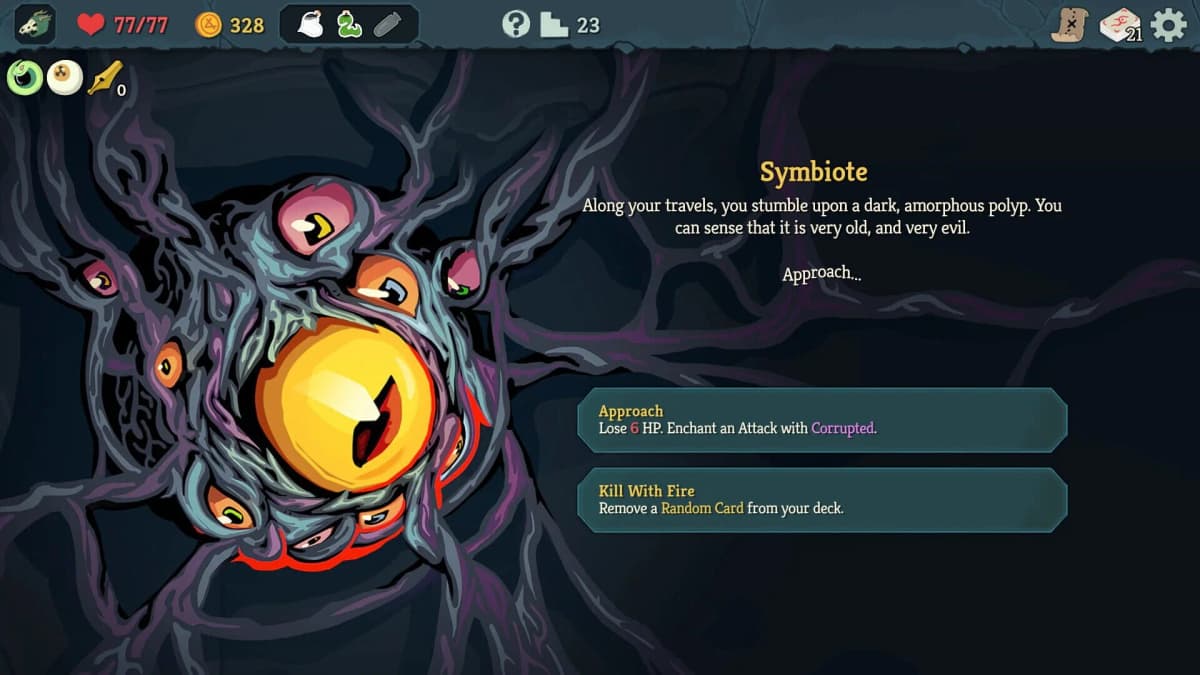
On the “new and actually good” side, the reworked acts and biomes feel like the biggest win. Events are nastier and more tempting, elite routes feel less solved, and there’s more sense that you’re climbing something ancient and malevolent rather than simply clearing another set of abstract nodes. The Regent and Necrobinder in particular push familiar patterns in genuinely fresh directions, with resource systems that force you to think several turns ahead instead of just slapping more damage into your deck.
Is Slay the Spire 2 worth playing in Early Access?
Here’s the blunt version: if you love Slay the Spire and want more of it, but better-looking, with more characters, deeper encounters and a steady drip of new mechanics to lab out, Slay the Spire 2 is already worth your time and money in Early Access.
The runs are satisfying. The new characters aren’t throwaway gimmicks; they meaningfully expand what “a Slay the Spire deck” can look like. The polish level is absurd for an Early Access card roguelike. For most players who treat Ascension 10 as “hard mode” and don’t live on Discord spreadsheets, it’s a comfortably brutal, highly replayable sequel that already justifies the wait.
But if you’re in the slice of the audience that cares deeply about balance – the players who squeeze every edge case out of the system, who fall in love with degenerate builds and expect them to stick around – you need to understand what you’re signing up for. Mega Crit is clearly willing to swing hard at outlier strategies, and they’re still figuring out how to communicate those swings without detonating their Steam page.
Buying into Early Access means accepting that your favourite deck might get hit, reverted, and re-hit three patches later. If that kind of volatility makes you angry rather than intrigued, you may genuinely be happier waiting for a 1.0 build where the design philosophy has settled and the most contentious edges are either embraced or firmly removed.
From where I’m sitting, Slay the Spire 2 is a strong sequel caught in an identity wobble. The mechanics, art, and moment-to-moment play are doing the work. The question is whether Mega Crit will lean into the chaos that made their first game a cult obsession, or keep trying to tune their way toward a neater, more domesticated Spire. If they choose the former – and match that with clearer global communication instead of surprise nerfs – this Early Access will look like a golden era in hindsight. If they choose the latter, expect more review spikes every time someone’s favourite infinite disappears.
What to watch next
- The next major balance patch: Does Mega Crit introduce an experimental branch or detailed patch notes to soften future nerfs, or keep tweaking live builds and apologising after?
- Chinese community channels: If Steam reviews remain the main outlet for that audience, every unpopular change will come with a score hit. Watch for official regional communication or community managers.
- Co-op overhauls: A substantial UI and pacing rework for multiplayer would turn “neat extra” into a real selling point. If co-op is still clunky six months from now, it’s probably staying that way.
- Endgame and Epochs: The moment a true ending or deeper Epoch progression goes live will be the real “1.0 moment” for theorycrafters and lore-pilled players.
TL;DR
Slay the Spire 2’s Early Access launch is unusually complete: three acts, five characters, upgraded visuals and map design, and even official four-player co-op. It plays like a sharper, more confident version of the original, but aggressive nerfs to broken combos have already triggered a massive backlash and forced Mega Crit to rethink how they handle balance. If you want a polished new Spire to climb right now, it’s absolutely worth it – just don’t get too attached to your favourite busted deck until the dust settles.
FinalBoss // Gear
Level up your setup
01Top-rated gaming headsetson Amazon→02High-refresh gaming monitorson Amazon→03Gaming chairson Amazon→04Discounted game keyson Kinguin→
Affiliate links · As an Amazon Associate, FinalBoss earns from qualifying purchases.
Want to Level Up Your Gaming?
Get access to exclusive strategies, hidden tips, and pro-level insights that we don't share publicly.
Ultimate Gaming Strategy Guide + Weekly Pro Tips